1 month ago
Dusking: The New Travel Trend
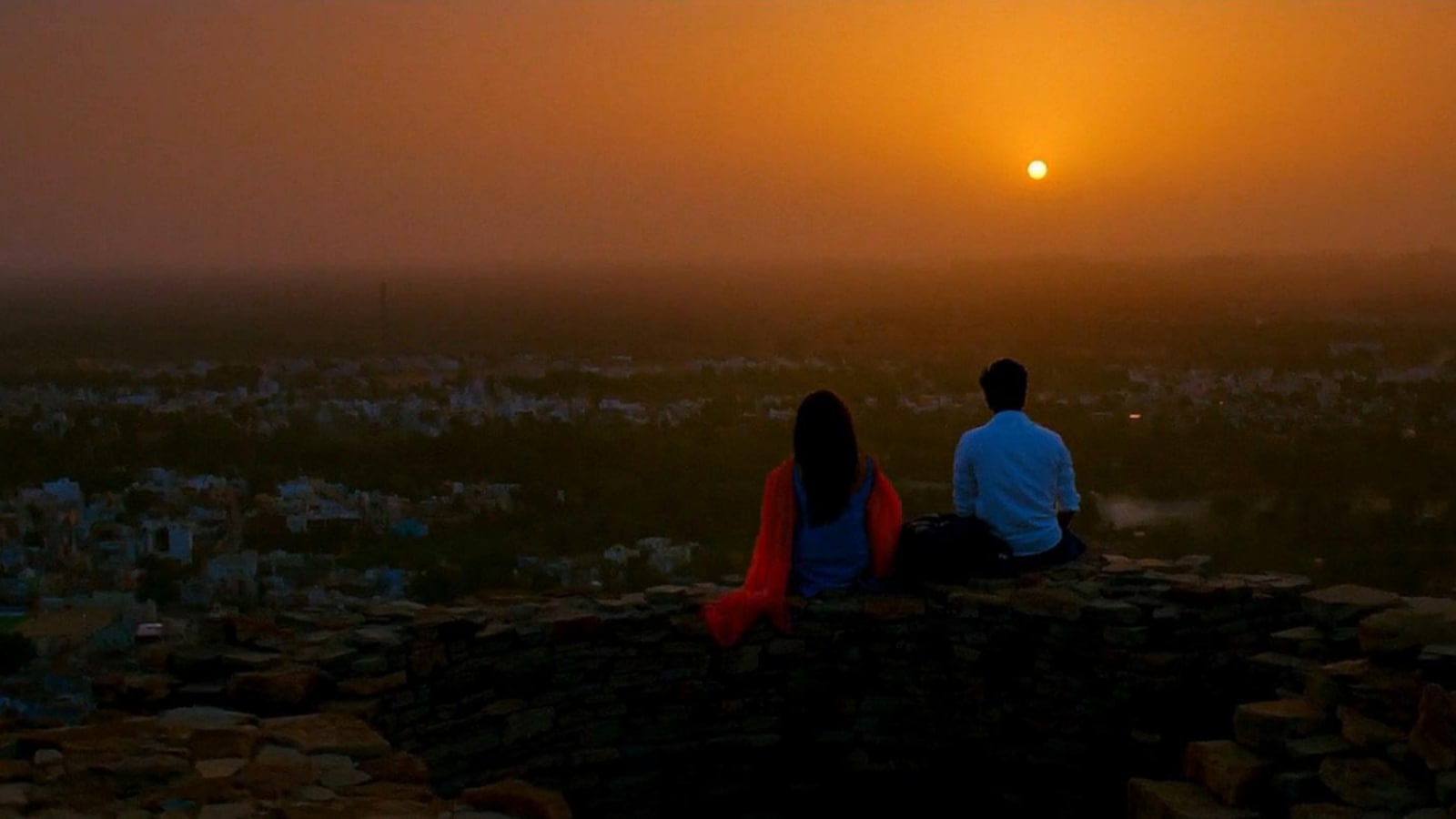
Dusking is a new travel trend where people stay in one place and enjoy the transition from day to night.
It's like sitting quietly and watching the sunset, taking in the beauty of the surroundings.
This trend is part of a bigger movement called noctourism, where travelers explore places after dark.
Dusking doesn't cost anything and can be done anywhere with a nice view, like by the sea, in the mountains, or on a quiet fort wall.
It's a way to relax and enjoy the moment, making travel more about the experience than rushing from one place to another.

Dusking is the act of staying still and enjoying the transition from day to night.
It is part of the growing trend of noctourism, where travelers explore destinations after dark.
Dusking is free and can be done anywhere with a nice view.
Popular dusking locations in India include Marine Drive in Mumbai, Varanasi Ghats, Varkala in Kerala, and the Rann of Kutch in Gujarat.
Internationally, popular dusking spots include Uluru in Australia, Kyoto in Japan, Banff National Park in Canada, and Cappadocia in Turkiye.
- Who
- Travelers seeking a relaxing and unplugged experience.
- What
- Dusking, the act of staying still and enjoying the transition from day to night.
- Where
- Any scenic location, such as Marine Drive in Mumbai, Varanasi Ghats, or Uluru in Australia.
- When
- During the evening, as the sun sets.
- Why
- To slow down, unplug, and experience a destination in a different way.
Fast-Paced Travel
Slow Travel
Pace of Travel
Fast-Paced Travel
Fast-paced travel involves rushing to multiple attractions to maximize the experience.
Slow Travel
Slow travel encourages staying in one place, enjoying the moment, and unplugging from distractions.
Cost
Fast-Paced Travel
Fast-paced travel can be expensive due to multiple activities and attractions.
Slow Travel
Slow travel, like dusking, is cost-effective as it often involves minimal or no expenses.
Experience
Fast-Paced Travel
Fast-paced travel offers a variety of experiences in a short time.
Slow Travel
Slow travel provides a deeper, more relaxed experience, allowing for a better connection with the destination.
Key facts
- Definition
- The art of sitting still during the transition from day to night.
- Origin
- Popularized by the movie 'Yeh Jawaani Hai Deewani'.
- Cost
- Free.
- Best Locations in India
- Marine Drive, Mumbai; Varanasi Ghats; Varkala, Kerala; Rann of Kutch, Gujarat.
- Best Locations Abroad
- Uluru, Australia; Kyoto, Japan; Banff National Park, Canada; Cappadocia, Turkiye.
- Trend
- Part of the growing trend of noctourism.
- Benefits
- Relaxing, unplugging, and experiencing a destination differently.
Sources
Related news

OpenAI President Greg Brockman Warns Companies on AI Cyber Threats

DRDO Chief Foresees Invisible Electronic Security Replacing Physical Fences

Trump Announces U.S. Space Academy Amid Rivalry With China

Nvidia’s RTX Spark AI PCs From Lenovo, Acer Launch October

Lottery Fraud Scams Use Fake Prizes to Steal Money
Deforestation Fragments Forests, Wildlife Movement and Human Conflict
Banff Trail Riders: Experiencing the Canadian Rockies by Horseback