3 weeks ago
Pakistan's Kashmir Story Collapses Under Weight of PoK Protests
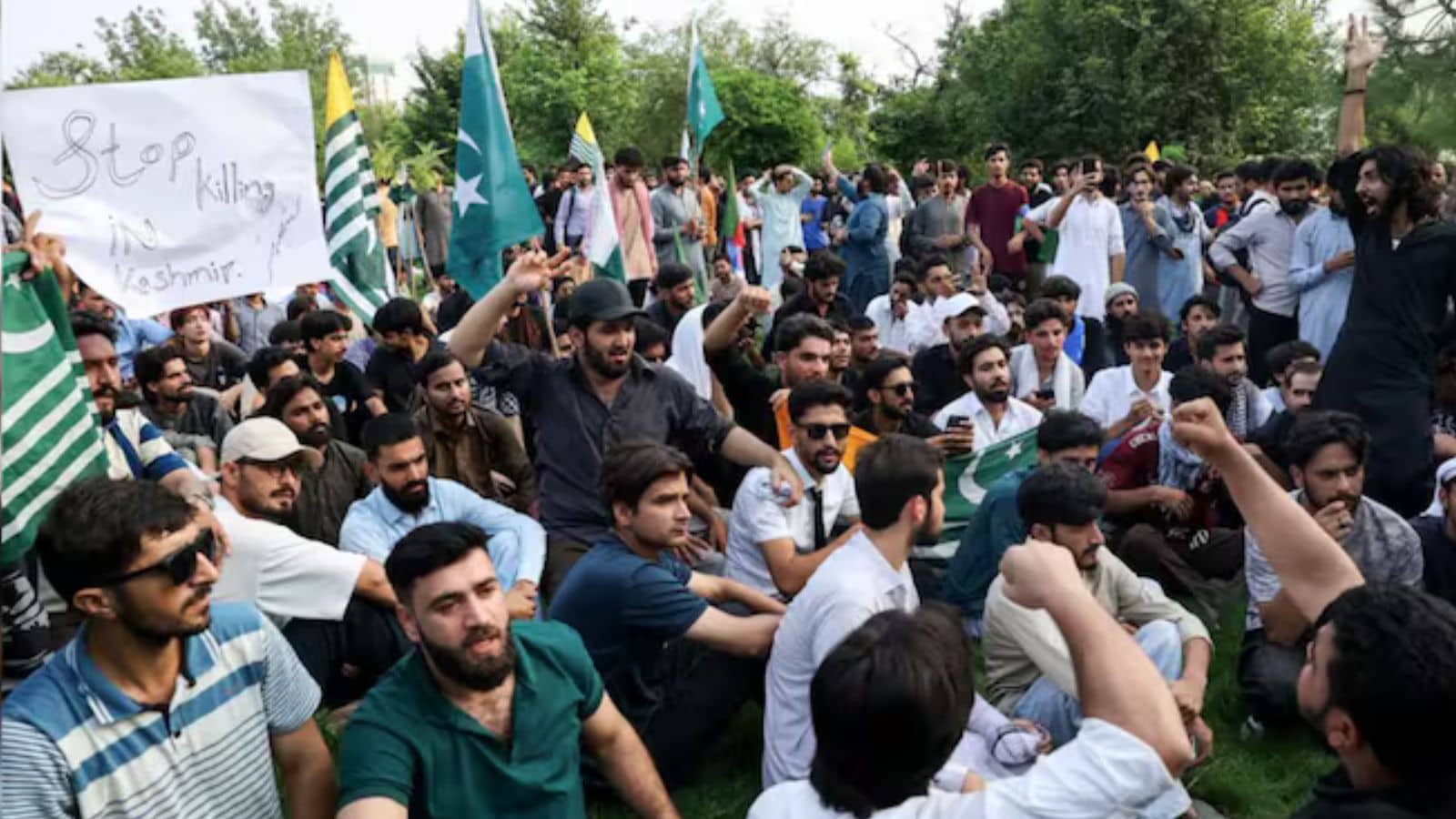
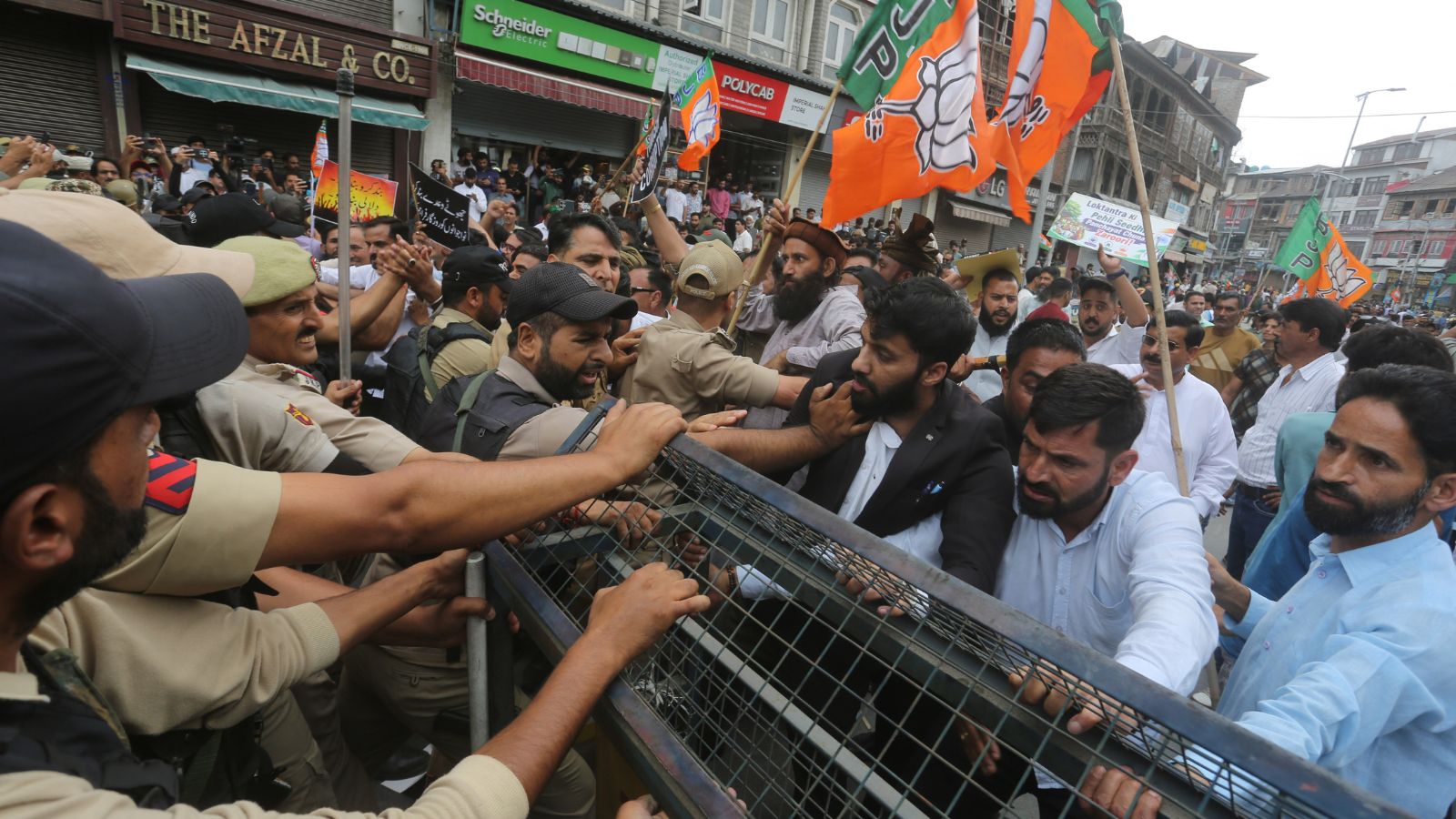
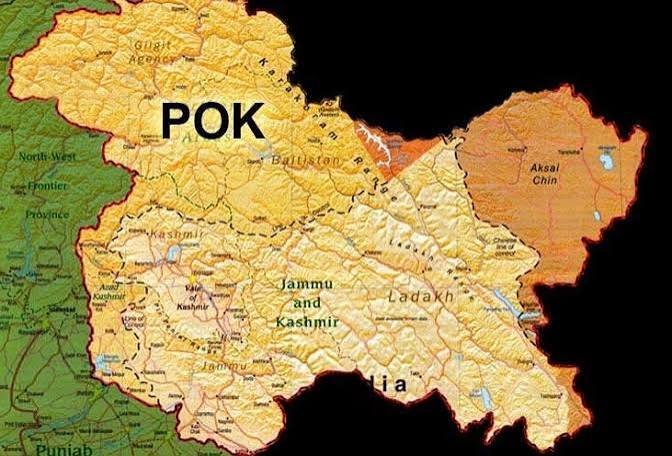
Some people in Pakistan-occupied Kashmir, a region run by Pakistan, have been very upset with their government.
They say the prices of food and electricity are too high and that they do not get a fair say in how things are run.
In July, they began peaceful protests to ask for better treatment.
The main group leading the protests is called the JAAC, and it includes shopkeepers, lawyers, students, and drivers.
The government of Pakistan did not accept their demands, so it made the group against the law and arrested some of its leaders.
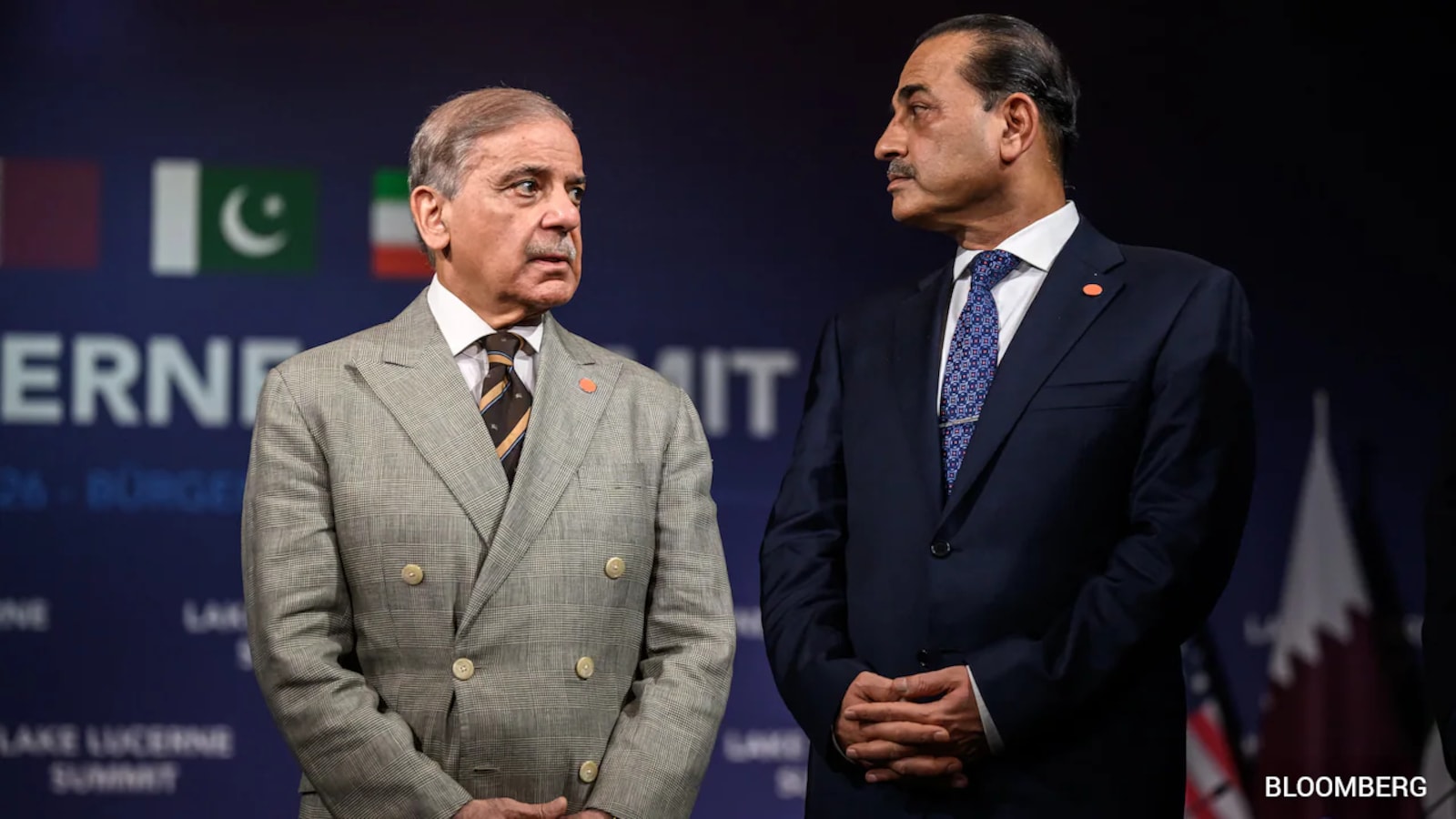
In July, the protest group reportedly wrote to Pakistan's Army Chief, Field Marshal Asim Munir, asking for help.
The protests then turned violent, with clashes between protesters and security forces, and dozens of people were killed.
The internet was switched off for weeks, and local elections went ahead anyway, which made people angrier.
The protesters say they are not asking for independence, just for fair government, honest spending of money, and better representation.

Anti-government protests in Pakistan-occupied Kashmir (PoK), which began in early July over inflated prices and political representation, escalated into weeks of internet blackouts and dozens of state-linked killings by early August.
The Jammu Kashmir Joint Awami Action Committee (JAAC), a coalition of traders, lawyers, students, and transporters, was banned by Islamabad under anti-terrorism laws on June 5 after negotiations with the government collapsed in May.
The JAAC's 38-point charter centres on granting 12 reserved seats in PoK's 45-seat Legislative Assembly to Jammu and Kashmir refugees based in mainland Pakistan.
Deadly clashes between security forces and protesters coincided with local polls being held in three phases between late July and early August.
In early August, Pakistan issued the Foreign Media Facilitation Guidelines, 2026, requiring journalists to obtain a No Objection Certificate to operate outside Islamabad, Lahore, and Karachi.
- Who
- Protesters and civil-society groups led by the Jammu Kashmir Joint Awami Action Committee (JAAC), alongside Pakistan's security forces and government.
- What
- Anti-government protests over inflated prices and political representation escalated into deadly clashes, internet blackouts, a ban on the JAAC, and a contested election process.
- Where
- Pakistan-occupied Kashmir (PoK), including Muzaffarabad.
- When
- Early July to early August, with local polls held in three phases between late July and early August.
- Why
- Long-standing grievances over the high cost of living, lack of political representation, fiscal transparency, and a dispute over 12 reserved legislative seats.
JAAC and protesters
Pakistani government
Reserved legislative seats
JAAC and protesters
The 12 reserved seats for Jammu and Kashmir refugees based in mainland Pakistan deprive locals of representation and let Islamabad, which has no local stake, divert funds from the region.
Pakistani government
The arrangement mirrors India's own reserved seats for territories across the Line of Control and is tied to Pakistan's constitutional and diplomatic position on Kashmir; altering it could shift Pakistan's constitutional understanding of the region's status.
Response to the protests
JAAC and protesters
The movement is non-secessionist and focused on governance failures, constitutional rights, fiscal transparency and accountability; the heavy-handed crackdown has deepened anti-government grievances.
Pakistani government
The state responded in security terms, banning the JAAC under anti-terrorism laws and restricting the media on grounds of national security, public order and sovereignty.
Kashmir policy credibility
JAAC and protesters
Pakistan's own conduct in PoK - a banned coalition, prolonged shutdowns and a securitised approach - mirrors the allegations it levels at India over denying Kashmiris self-determination.
Pakistani government
Pakistan frames the Kashmir dispute through the language of self-determination and presents itself as a responsible diplomatic actor, including mediating between the US and Iran.
Key facts
- Region
- Pakistan-occupied Kashmir (PoK)
- Protest period
- Early July to early August
- Killings
- Dozens of protesters killed since the JAAC ban
- Internet blackout
- Weeks-long shutdown during the unrest
- JAAC banned
- June 5, under anti-terrorism laws
- Central demand
- 12 reserved seats for Jammu and Kashmir refugees in PoK's 45-seat Legislative Assembly
- Local polls
- Three phases, late July to early August
- Media rules
- Foreign Media Facilitation Guidelines, 2026, issued by the Ministry of Information and Broadcasting
Sources
Related news

PoK Unrest Exposes Cracks in Pakistan's Kashmir Narrative: Report
PoK Kashmiri Leaders Demand UN Peacekeeping Forces Replace Pak Military
Shehbaz Sharif's PML-N Calls PoK Protesters 'Patriots' in U-Turn

JAAC Denies Indian Support in PoK Protests, Challenges Evidence
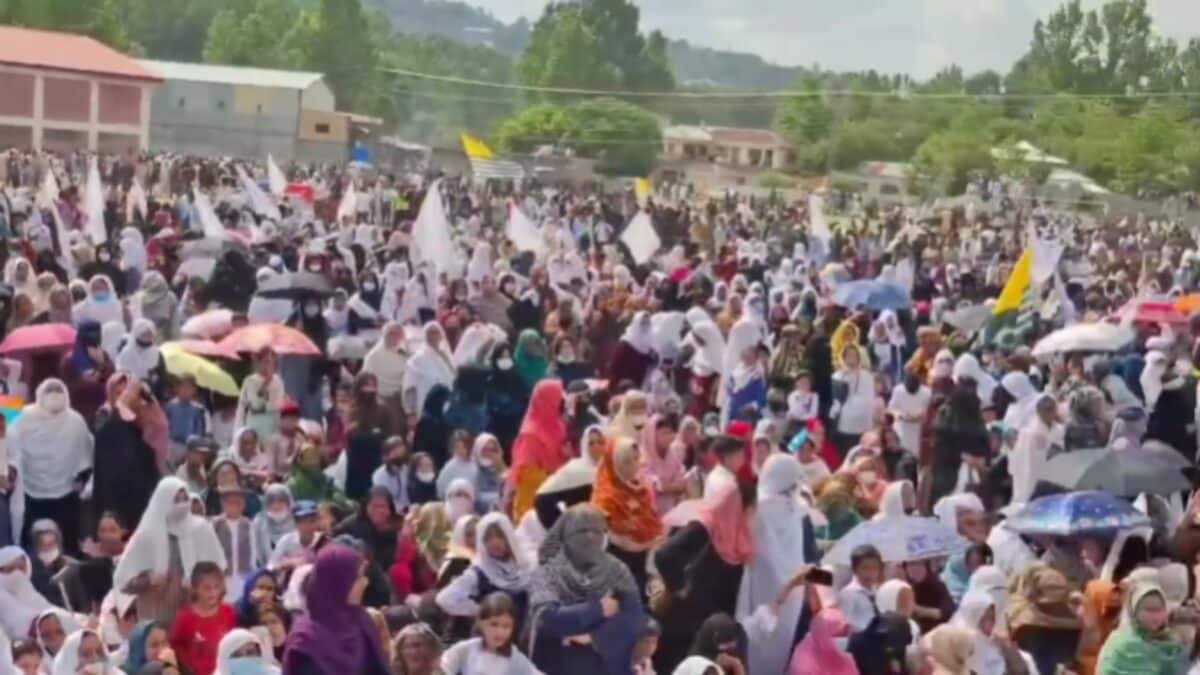
PoK protest leader urges Kashmiris to protest against Pakistan

BJP accuses J&K parties of selective approach over PoK crackdown
Farooq Abdullah’s Threat Claims Ignite Fury Over Kashmir Statehood

Mehbooba Mufti Urges Omar Abdullah to Resolve Intern Stipend Dispute
Karra Says J-K People Caught Between Two Power Centres

Rival NC-BJP Protests Roil J&K as Police Halt Marches
Omar Abdullah Alleges Unequal Treatment of Srinagar Political Protests