3 hrs ago
Manipur’s Naga-Kuki Violence Deepens, Challenging Delhi’s Ability to Respond
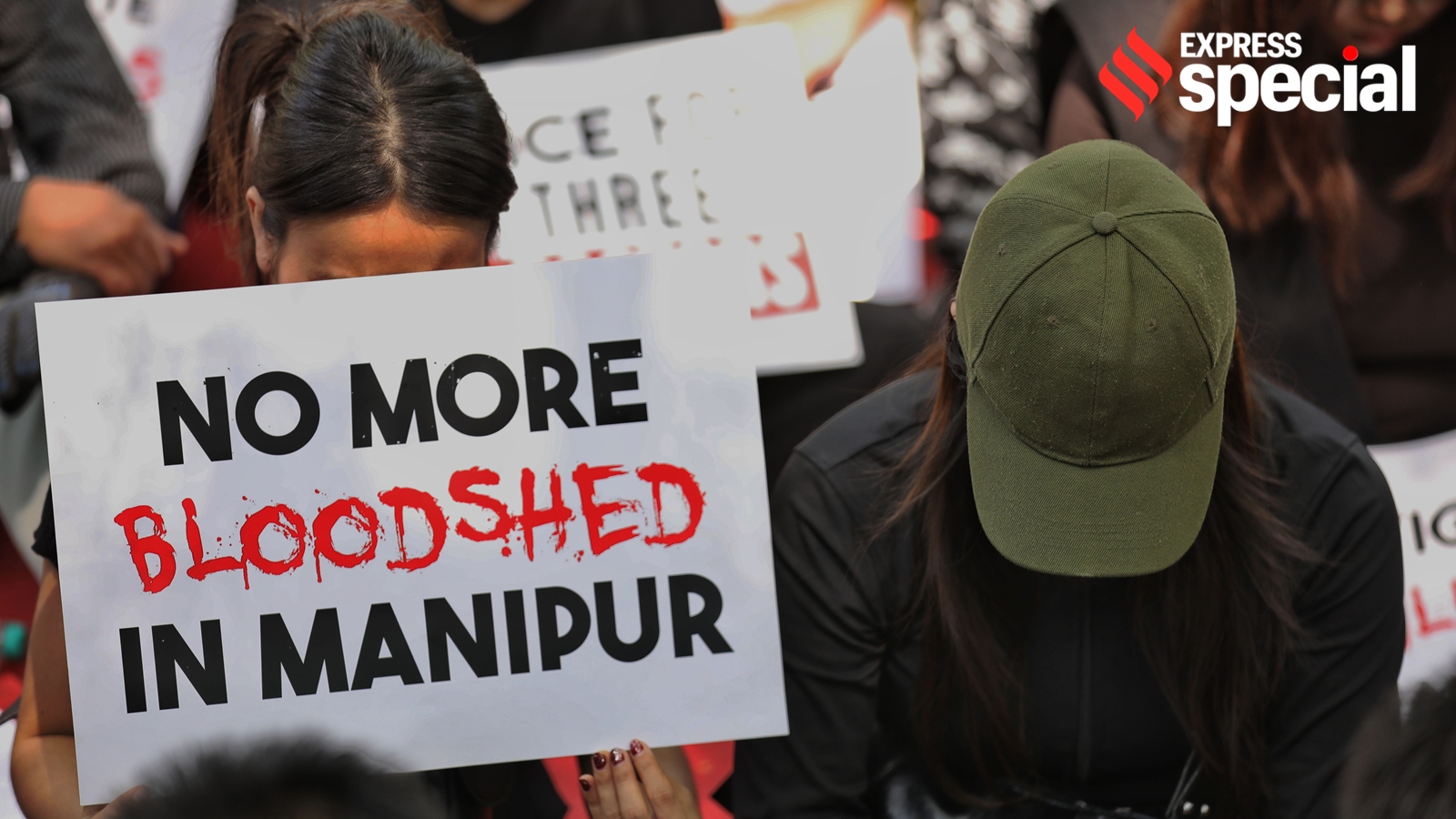
A new conflict has grown between Naga and Kuki communities in Manipur.
More than 50 people have died since February, according to the report.
Fighting has happened in several hill districts where the two communities live close together.
This makes it harder for security forces to separate them and prevent attacks.
People have been killed, abducted and forced to deal with blocked roads and disrupted supplies.
Officials also suspect that competition over illegal drug routes may be adding to the problem.
Church leaders tried to bring the two sides together, but direct talks did not begin.
For now, authorities are mainly trying to stop each incident from becoming bigger rather than finding a lasting solution.

More than 50 people have reportedly been killed in Naga-Kuki clashes since the BJP-led government took office in Manipur in February.
Violence has spread across Ukhrul, Kamjong, Senapati and Kangpokpi, where mixed populations make it difficult for security forces to protect every village.
The conflict has involved killings, abductions, arson, gunfights and disruptions to roads, highways, supplies and movement.
Security officials suspect competition over narcotics routes and money, including routes near the Myanmar border, may be sustaining the violence.
Attempts at dialogue have failed, while the United Naga Council’s highway blockade and demands have added political pressure ahead of Assembly elections.
- Who
- Naga and Kuki communities, armed groups, Manipur authorities, security forces and civil-society representatives are involved.
- What
- A cycle of killings, abductions, gunfights, arson and blockades has intensified in the Naga-Kuki conflict.
- Where
- The violence has occurred in Manipur, particularly in Ukhrul, Kamjong, Senapati and Kangpokpi, including areas near the Myanmar border.
- When
- The latest phase began after the BJP-led government took office in February; the report also describes developments through September 26.
- Why
- Reported causes include longstanding ethnic and territorial tensions, alleged competition over illicit trafficking routes and money, political disputes, and the failure of dialogue efforts.
Naga and Kuki Positions
Security and Political Perspectives
Responsibility for failed dialogue
Naga and Kuki Positions
The United Naga Council blames Kuki militant groups and says peace depends on the intentions of their leadership.
Security and Political Perspectives
Kuki Zonal Council chairman Henlianthang Thanglet says Naga representatives rejected Kuki overtures, including an apology for the killing of six Naga men.
Drivers of the violence
Naga and Kuki Positions
Naga representatives and civil-society groups focus on killings, alleged militant links and demands for action against those responsible, including the removal of Deputy Chief Minister Nemcha Kipgen.
Security and Political Perspectives
Security officials say the conflict cannot be explained only by ethnic hostility or territorial claims and may also involve competition over illicit drug routes, access and money.
Government strategy
Naga and Kuki Positions
The United Naga Council demands action against Kuki armed groups, accountability for the killings and political changes, including the abrogation of the Suspension of Operations pact.
Security and Political Perspectives
Security officials say the government currently has limited options and is mainly managing violence by deploying forces after incidents occur.
Key facts
- Reported death toll
- More than 50 people have died in Naga-Kuki clashes since February.
- Main districts affected
- Ukhrul, Kamjong, Senapati and Kangpokpi.
- Major reported incidents
- Twenty-one Nagas were reportedly abducted on March 11; two Kuki men’s bodies were recovered the same day, and six Naga men were later killed after being abducted.
- Possible economic factor
- Security officials suspect competition over narcotics access, routes and money may be helping sustain the conflict.
- Dialogue effort
- Church leaders from Mizoram and Nagaland brought Naga and Kuki representatives together in Aizawl in July, but the initiative did not produce direct political talks.
- Highway blockade
- The United Naga Council suspended its three-month blockade of highways through Naga-dominated Senapati on September 26.
- Government response
- Security forces are primarily responding to incidents and attempting to prevent escalation.
Quotes
An officer of the Manipur Police
A Manipur Police officer discussing the geographic differences between the two conflicts.
“Church leaders can hardly do anything as the whole thing is done by the NSCN-IM… We had apologised for the killing of six Naga men in May. But they refused to accept it. Twenty-seven of our own people have been killed.”
 indianexpress.com
“When Meitei-Kuki clashes began, the two communities got geographically separated within months. Kukis withdrew to the hills and Meiteis came to the valley.”
indianexpress.com
Sources
Related news
New Manipur Naga-Kuki-Zo Hostilities Revive 1990s Bloodbath Memories

Eastern Army Commander Assesses Manipur Violence With Security Officers
Four Kuki Civilians Killed in Suspected Manipur Militant Attacks
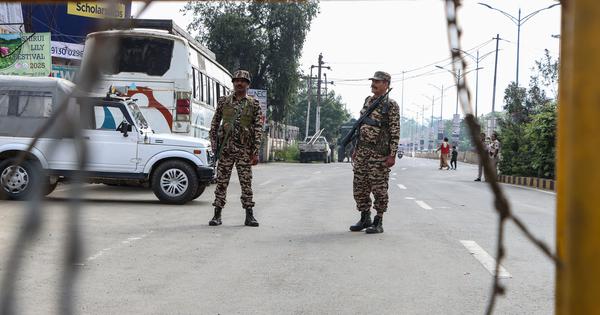
Two Kuki-Zo Women Killed in Suspected Manipur Militant Attack
Manipur Assembly Reports 306 Deaths Amid Prolonged Ethnic Conflict

India's Opposition Seeks Unity Amid CEC Allegations and Challenges

Former Minister Alleges Election Roll Revision Violates Law
Chirag Paswan’s Crime Criticism Deepens Unease Within Bihar’s Ruling NDA

Nitin Nabin Urges Bengal Government to Engage Young Talents