4 days ago
Eastern Army Commander Assesses Manipur Violence With Security Officers

Lieutenant General VMB Krishnan met security officers working in Manipur.
They discussed how to respond to continuing ethnic violence.
A Kuki man was recently killed, and about 24 homes in Naga villages were then burned.
The fighting has also caused other deaths and forced many people from their homes.
More than 306 people have died during the conflict, according to the report.
Groups including the NSCN (Isak-Muivah) and Kuki National Army are involved in the violence.
Assam Rifles is trying to seize weapons and arrest militants.
Its officers are also asking community leaders to help stop the fighting.
The conflict began mainly between Meiteis and Kukis but has spread to clashes involving Nagas and Kukis.

Lieutenant General VMB Krishnan reviewed Manipur’s security situation with senior Spear Corps and Assam Rifles officers.
A Kuki man was killed Wednesday, followed by the burning of about 24 houses in two Naga villages.
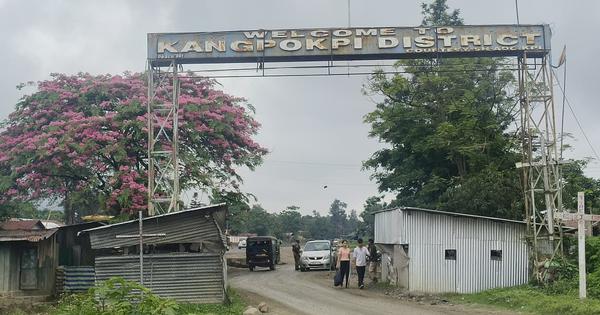
Recent violence has centered on Kangpokpi and Tamenglong, with deaths, arson and continuing ethnic clashes.
The conflict has killed more than 306 people, displaced thousands and left several others missing.
Assam Rifles is pursuing militant operations while engaging Naga and Kuki-Zo leaders to reduce violence.
- Who
- Lieutenant General VMB Krishnan, Assam Rifles and Spear Corps officers, and communities and militant groups involved in Manipur’s conflict.
- What
- The Eastern Army Commander assessed the security situation and discussed strategies for addressing continuing ethnic violence.
- Where
- Manipur, particularly the hill districts of Kangpokpi and Tamenglong.
- When
- The meeting occurred during the latest period of violence; a Kuki man was killed on Wednesday morning after a Naga youth was killed the previous day.
- Why
- The discussions aimed to assess security operations and help end violence that has continued for more than three years.
Security and Government Response
Community and Political Claims
How to reduce the violence
Security and Government Response
Assam Rifles and other security forces are increasing operations to seize weapons and apprehend militants, while also urging Naga and Kuki-Zo leaders to remain neutral.
Community and Political Claims
Community leaders and groups are central to resolving the conflict, but the report describes competing ethnic and land-related claims that have contributed to continued violence.
Underlying causes
Security and Government Response
Security authorities are addressing militant involvement, including the reported participation of the National Socialist Council of Nagaland (Isak-Muivah) and the Kuki National Army.
Community and Political Claims
The report attributes the broader conflict to disputes over land, Scheduled Tribe status, alleged infiltration and alleged narco-terrorism; these allegations are made by Meiteis against Kuki-Zos.
Conflict expansion
Security and Government Response
Security forces are attempting to contain violence that began largely between Meiteis and Kukis and has spread into the hills.
Community and Political Claims
Nagas, initially described as staying out of the Meitei-Kuki clashes, became involved after alleged Kuki efforts to take control of villages, according to the report.
Key facts
- Commander
- Lieutenant General VMB Krishnan, General Officer Commanding-in-Chief of Eastern Command
- Security forces
- Spear Corps and Assam Rifles units
- Latest reported incident
- A Kuki man was killed, followed by the burning of nearly 24 houses in two Naga villages
- Affected districts
- Kangpokpi and Tamenglong
- Reported death toll
- More than 306 people over more than three years
- Humanitarian impact
- Thousands displaced, with several people still missing
- Response measures
- Weapons seizures, militant arrests, troop operations and engagement with Naga and Kuki-Zo leaders
Quotes
A senior official
An unnamed official familiar with the Eastern Commander's visit and discussions
“The Eastern Army Commander held detailed discussions with officers on strategies adopted and outcomes. He also interacted with troops, some of whom received commendation cards and medals.”
 thehansindia.com
Sources
Related news
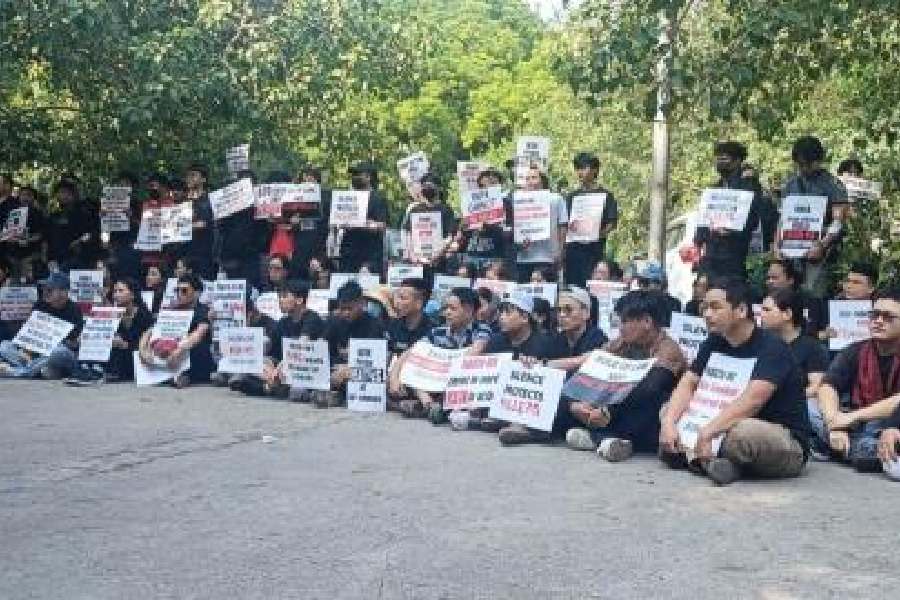
New Manipur Naga-Kuki-Zo Hostilities Revive 1990s Bloodbath Memories
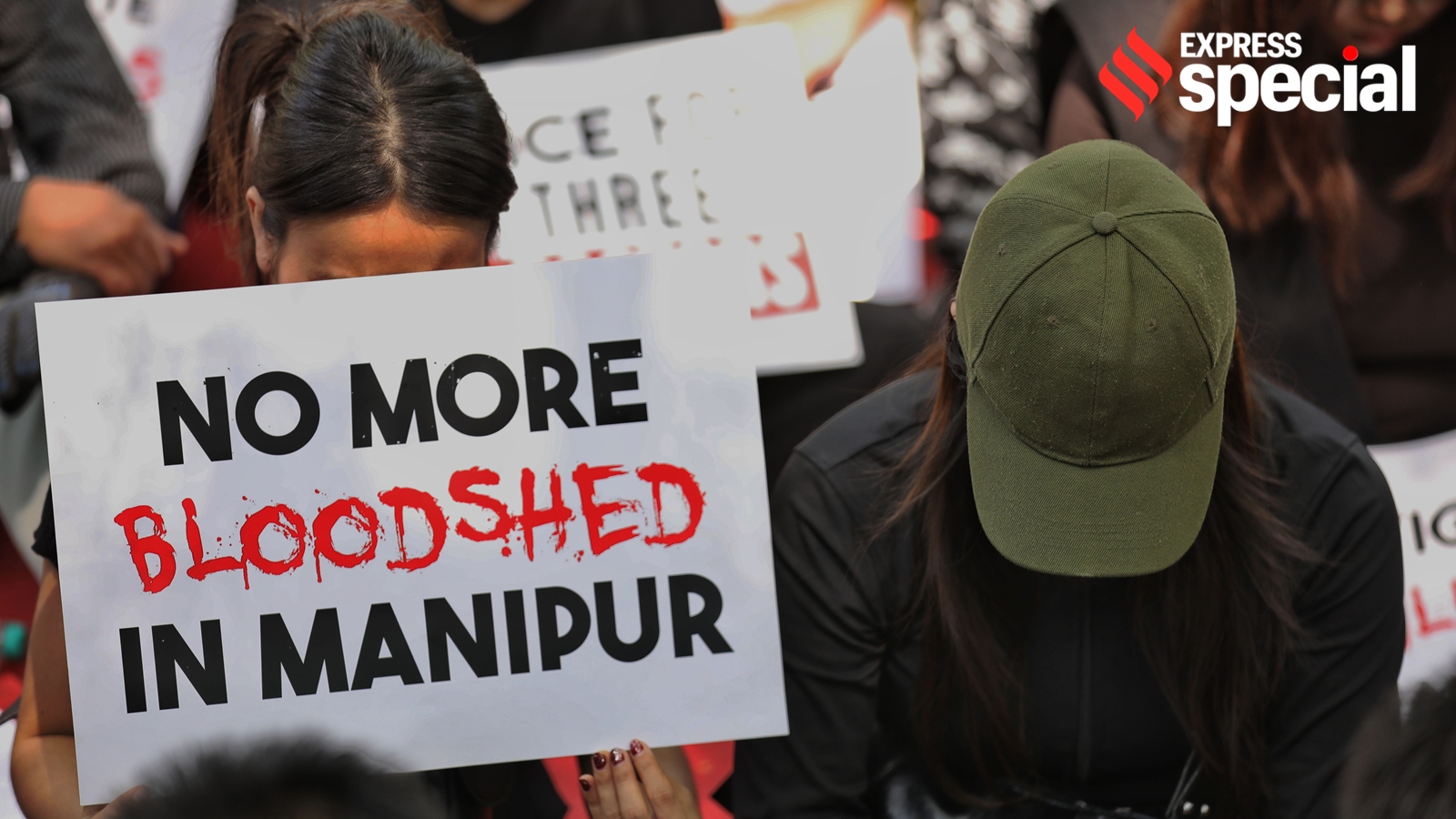
Manipur’s Naga-Kuki Violence Deepens, Challenging Delhi’s Ability to Respond
Four Kuki Civilians Killed in Suspected Manipur Militant Attacks
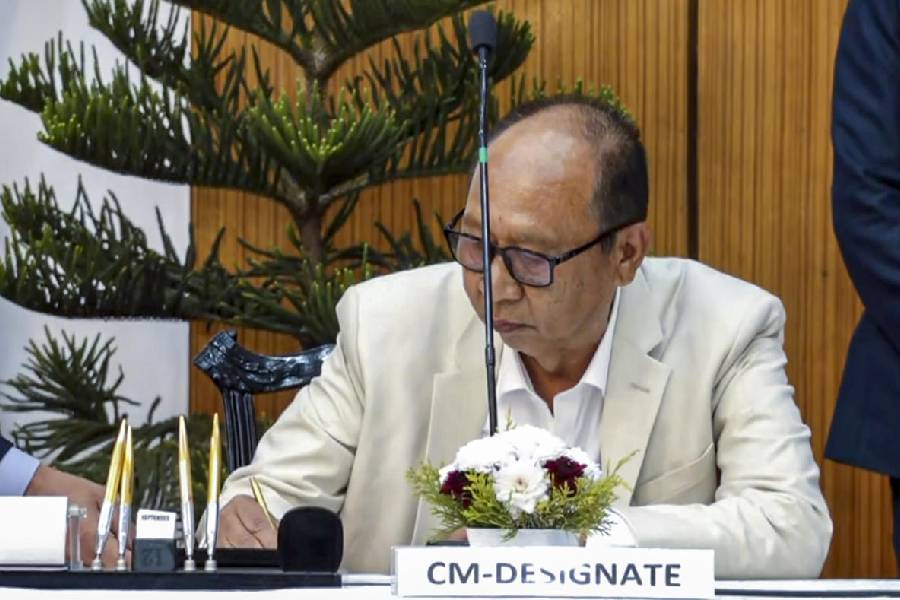
Manipur Assembly Reports 306 Deaths Amid Prolonged Ethnic Conflict

Manipur Ethnic Violence Leaves 306 Dead, 49 Missing
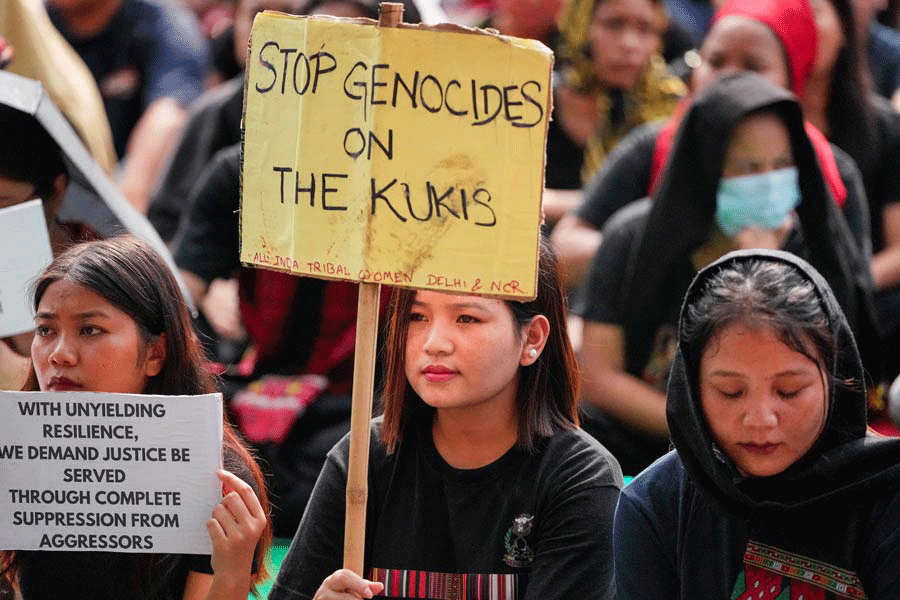
Kuki Women Seek Justice as Naga Groups Report Fresh Attacks
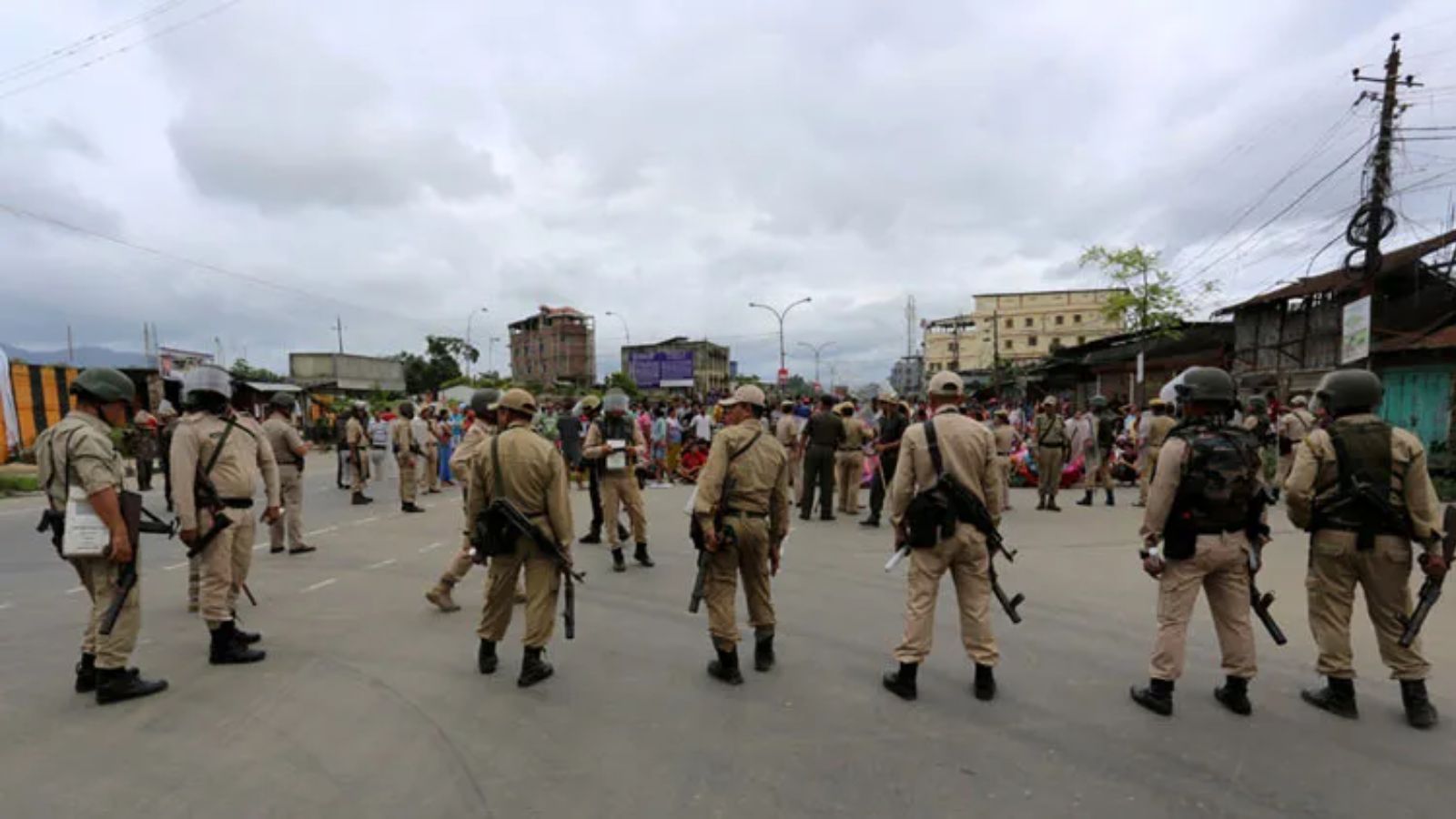
17-Year-Old Liangmai Naga Boy Killed in Manipur Ambush
Manipur School Set Ablaze After Kangpokpi Gunfight, Eight Arrested
Manipur Chief Minister Urges Collective Efforts to End Violence