43 mins ago
India's Opposition Seeks Unity Amid CEC Allegations and Challenges
The editorial says India’s Opposition parties may have a new reason to work together.
Allegations involving the chief election commissioner have created a common democratic concern.
M.A. Baby of the CPI(M) contacted several parties outside the BJP-led alliance.
Mamata Banerjee responded positively, and Baby also met Arvind Kejriwal.
A meeting of the INDIA alliance is planned.
Working together could help the Opposition put pressure on the election authorities and compete more effectively in elections.
However, these parties often fight each other in different states.
The editorial says their renewed effort is still encouraging because democracy needs strong dissenters.

The editorial says allegations involving the chief election commissioner have given the Opposition a chance to revive itself around democratic concerns.
CPI(M) general-secretary M.A. Baby has contacted non-BJP alliance leaders, while Mamata Banerjee responded positively.
Baby has met Arvind Kejriwal, and a meeting of the INDIA alliance has been scheduled.
The editorial argues that a united Opposition could pressure the chief election commissioner and challenge the BJP electorally.
Regional rivalries, including tensions involving the CPI(M), Congress, Aam Aadmi Party and DMK, remain major obstacles to unity.
- Who
- India’s Opposition parties, including the CPI(M), Trinamool Congress, Congress, Aam Aadmi Party and other INDIA constituents; the editorial also names M.A. Baby, Mamata Banerjee and Arvind Kejriwal.
- What
- Opposition leaders are exploring greater unity amid allegations involving the chief election commissioner and the SIR imbroglio.
- Where
- India, with particular political tensions and possible cooperation involving Bengal and other states.
- When
- The article does not specify when the developments occurred; it refers to a planned INDIA meeting.
- Why
- The editorial says the allegations have created an opportunity for the Opposition to mobilize around democracy and improve its electoral effectiveness.
Arguments for Opposition Unity
Arguments Against Easy Unity
Democratic pressure
Arguments for Opposition Unity
A united Opposition could exert substantial pressure on the chief election commissioner and present a common democratic challenge.
Arguments Against Easy Unity
The article does not establish that cooperation will overcome the parties’ existing rivalries or produce sustained pressure.
Electoral cooperation
Arguments for Opposition Unity
Coordinated Opposition parties could put the BJP to a stronger electoral test if they agree on effective seat-sharing and campaign strategy.
Arguments Against Easy Unity
Regional turf wars and conflicting interests make national coordination difficult, especially between parties that compete directly in states.
Relations in Bengal
Arguments for Opposition Unity
The CPI(M)’s positive engagement with Mamata Banerjee shows that former rivals may cooperate when they share broader concerns.
Arguments Against Easy Unity
The CPI(M)’s Bengal unit may resist working with Banerjee, who defeated the Left Front; Suvendu Adhikari has highlighted this history of conflict.
Key facts
- Political grouping
- The INDIA alliance is described as a coalition of parties outside the BJP-dominated National Democratic Alliance.
- Initiative
- CPI(M) general-secretary M.A. Baby sent messages to several non-BJP alliance leaders.
- Response
- Mamata Banerjee responded positively to the CPI(M)’s overtures.
- Planned meeting
- A meeting of INDIA has been scheduled after Baby met Arvind Kejriwal.
- Potential impact
- The editorial says a united Opposition could pressure the chief election commissioner and pose a stronger electoral challenge to the BJP.
- Main obstacle
- Regional rivalries and mistrust among Opposition parties could undermine national-level cooperation.
- Historical example
- The CPI(M) and Congress fought the 2016 Bengal polls together despite being traditional rivals.
Sources
Related news
Opposition Sees Voter Roll Revision as Democratic Rallying Point
Opposition Unites Against Chief Poll Officer Over Voter Rolls

Mamata Backs Congress in Nandigram, Signaling Bengal Opposition Reset
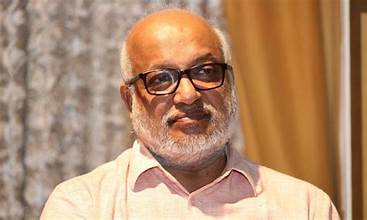
Opposition Coordination Grows Over Election Commission, SIR Controversy
CPI(M) Says Left Forces Will Oppose BJP in Bengal
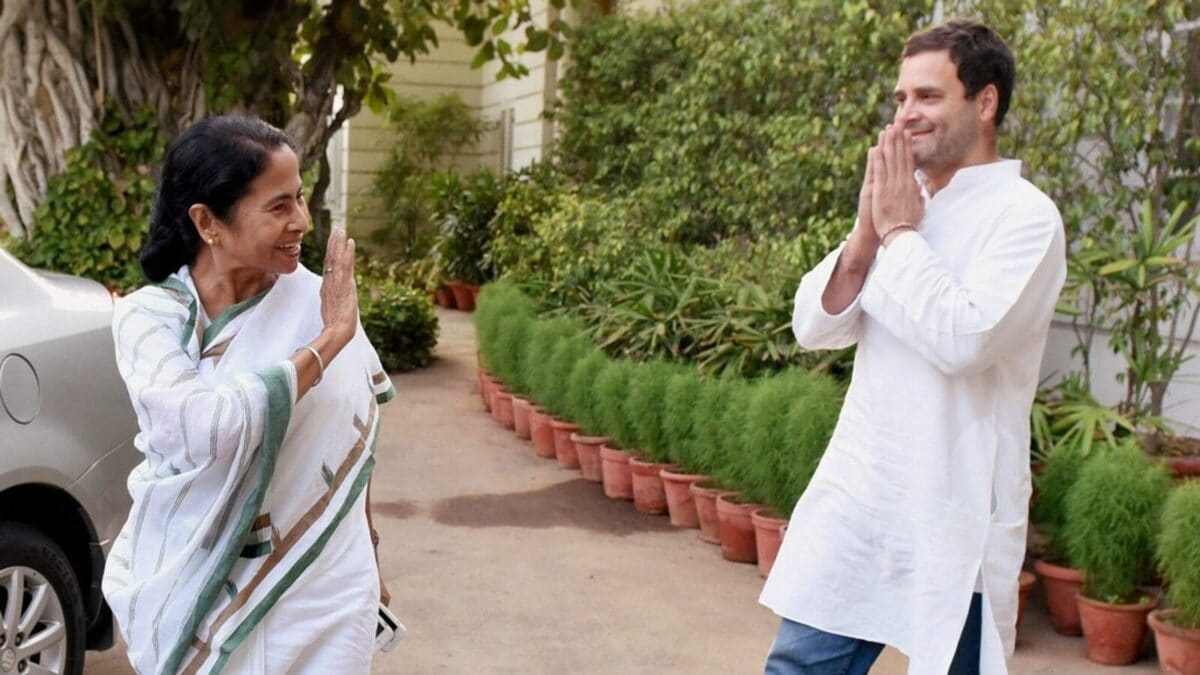
TMC and Congress Reunite for Bengal Bypoll Battle
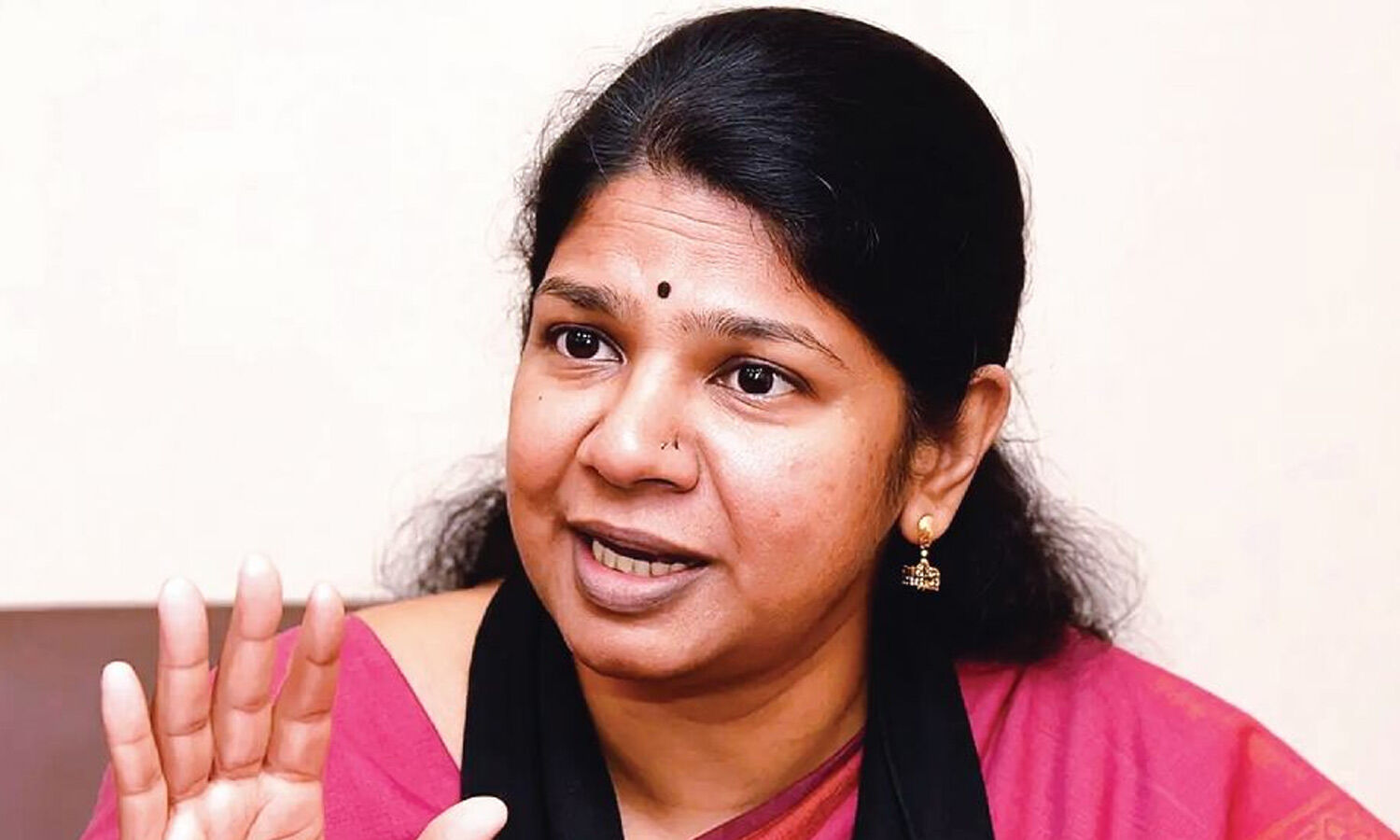
Kanimozhi Defends Stalin’s Principles, Attacks Vijay’s DMK Criticism
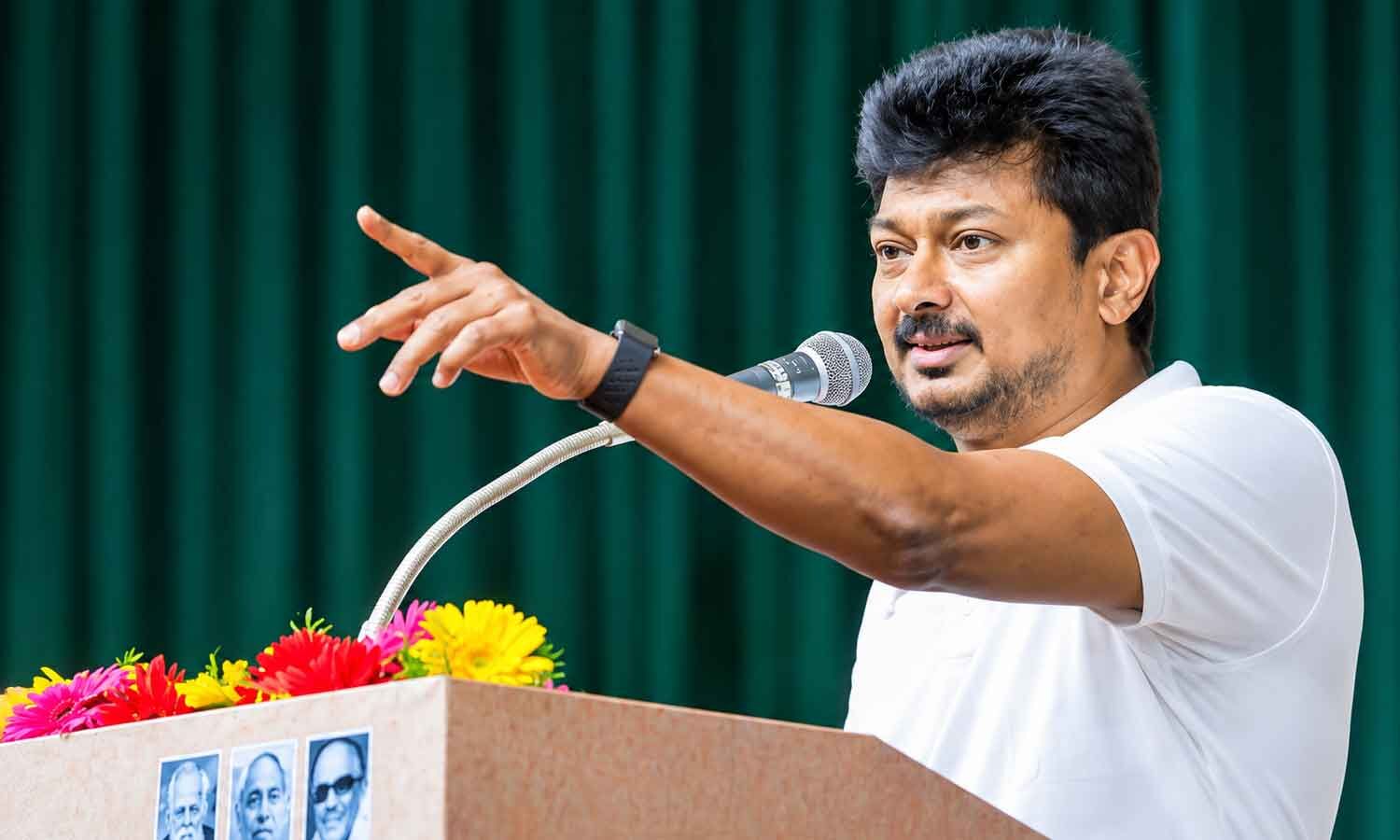
Udhayanidhi Calls for ‘Om Kali, Jai Kali’ Against TVK
Tamil Nadu Bypolls Intensify TVK, AIADMK, DMK Clash