2 hrs ago
Volkswagen Plans 100,000 Job Cuts in Historic Restructuring
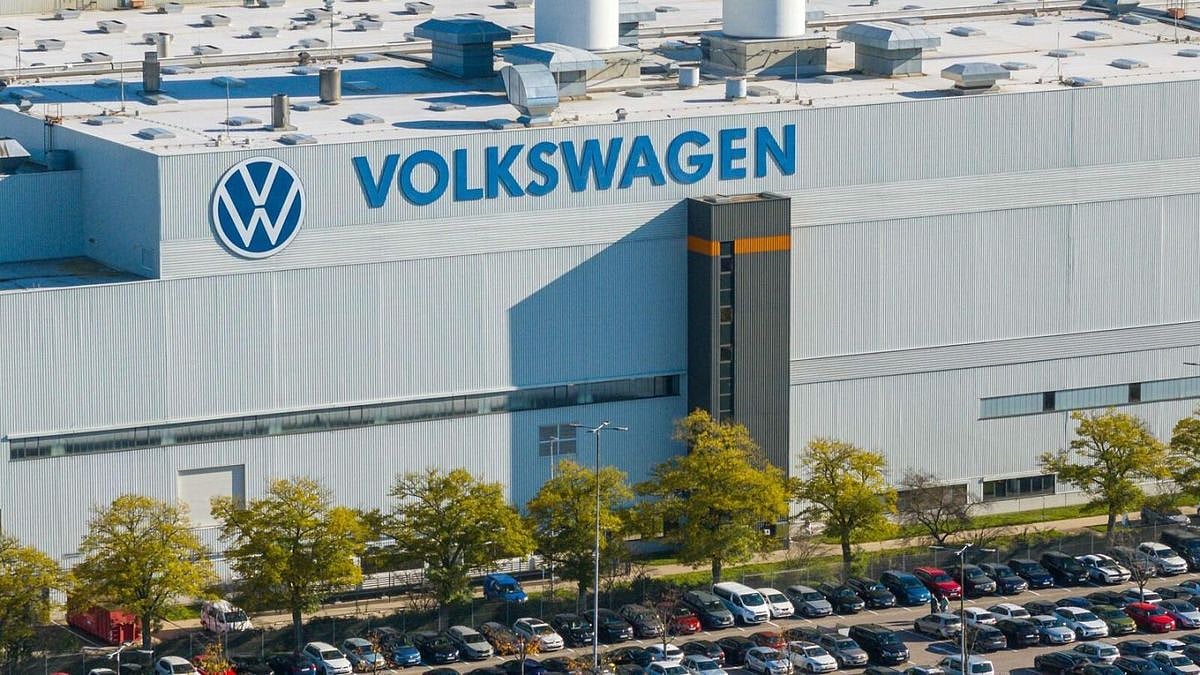
Volkswagen plans to reduce its workforce by about 100,000 jobs by 2030.
Half of these cuts had already been agreed, while the other half are newly approved.
The company says tariffs, uneven interest in electric cars, and competition from China are causing financial pressure.
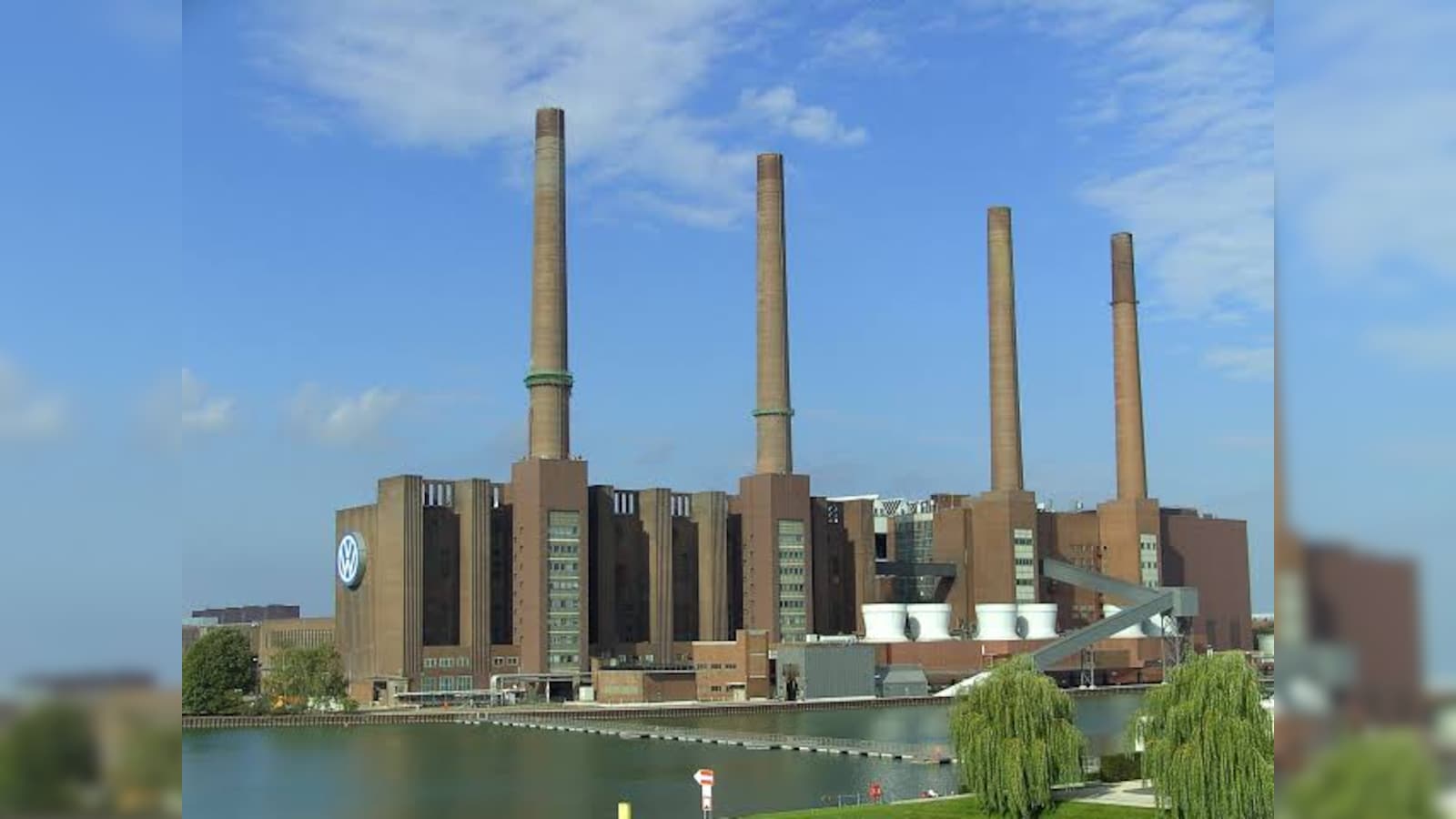
Four Volkswagen factories in Germany may have uncertain futures.
The company is studying other uses for those sites.
However, unions said that no factory closure has been approved.
Closing one of the plants would be a first for Volkswagen in Germany.
Volkswagen’s supervisory board unanimously approved the company’s future plan.
Management and unions had argued publicly before reaching the agreement.
The agreement may also change how much influence workers have over plant decisions.

Volkswagen approved about 50,000 additional job cuts by 2030, on top of 50,000 already agreed.
The planned reduction of 100,000 positions represents nearly 15 percent of Volkswagen’s global workforce.
The company cited US tariffs, uneven electric-vehicle demand, and intense competition from Chinese manufacturers.
The long-term futures of plants in Hannover, Emden, Zwickau, and Neckarsulm remain uncertain, but no closures were approved.
Management and labor representatives agreed to consider changes that could reduce the supervisory board’s power over plant decisions.
- Who
- Volkswagen management, labor representatives including IG Metall, the supervisory board, and the state of Lower Saxony.
- What
- A plan to eliminate about 100,000 jobs by 2030 and reconsider the future of four German plants.
- Where
- Volkswagen operations worldwide, with potential effects at plants in Hannover, Emden, Zwickau, and Neckarsulm, Germany.
- When
- The agreement and supervisory-board approval were announced Thursday; the cuts are planned through 2030.
- Why
- Volkswagen cited US tariffs, uneven electric-vehicle demand, competition from Chinese manufacturers, and the need to align staffing with economic conditions.
Management’s Position
Labor’s Position
Workforce reductions
Management’s Position
Volkswagen says staffing levels must be aligned with economic realities amid US tariffs, uneven electric-vehicle demand, and competition from China.
Labor’s Position
Labor representatives agreed to the plan but criticized management for allowing the scale of the cuts to emerge in media reports before workers were informed.
German plant futures
Management’s Position
Volkswagen says the long-term futures of four German plants cannot be guaranteed and that alternative uses are being examined.
Labor’s Position
IG Metall and worker representatives said they had given up no plant and that no plant closure had been approved.
Supervisory-board authority
Management’s Position
Volkswagen proposed an evolved decision-making and group structure with adjusted approval thresholds aligned with standard practice.
Labor’s Position
IG Metall opposed reports that management sought to bypass the supervisory board and warned that the proposed changes could dilute labor’s influence over plant decisions.
Key facts
- Total planned cuts
- About 100,000 positions by the end of 2030.
- Additional cuts
- Approximately 50,000 jobs, added to 50,000 cuts already agreed.
- Share of workforce
- Nearly 15 percent of Volkswagen’s global workforce.
- Plants with uncertain futures
- Hannover, Emden, Zwickau, and Neckarsulm.
- Closure status
- No plant closure has been approved, according to worker representatives.
- Board decision
- Volkswagen’s supervisory board unanimously approved the executive board’s future plan.
- Potential governance change
- Approval thresholds and the decision-making structure may be adjusted, potentially reducing labor’s influence over plant decisions.
Quotes
Martin Lehmann
Employee at Volkswagen’s Zwickau facility since 2012
“It is essential to systematically align workforce levels with economic realities”
 CNBC TV 18
“If this plant really were shut down, you could put a big black spot on the map.”
CNBC TV 18
Sources
Related news

Volkswagen Approves 50,000 More Job Cuts in Overhaul
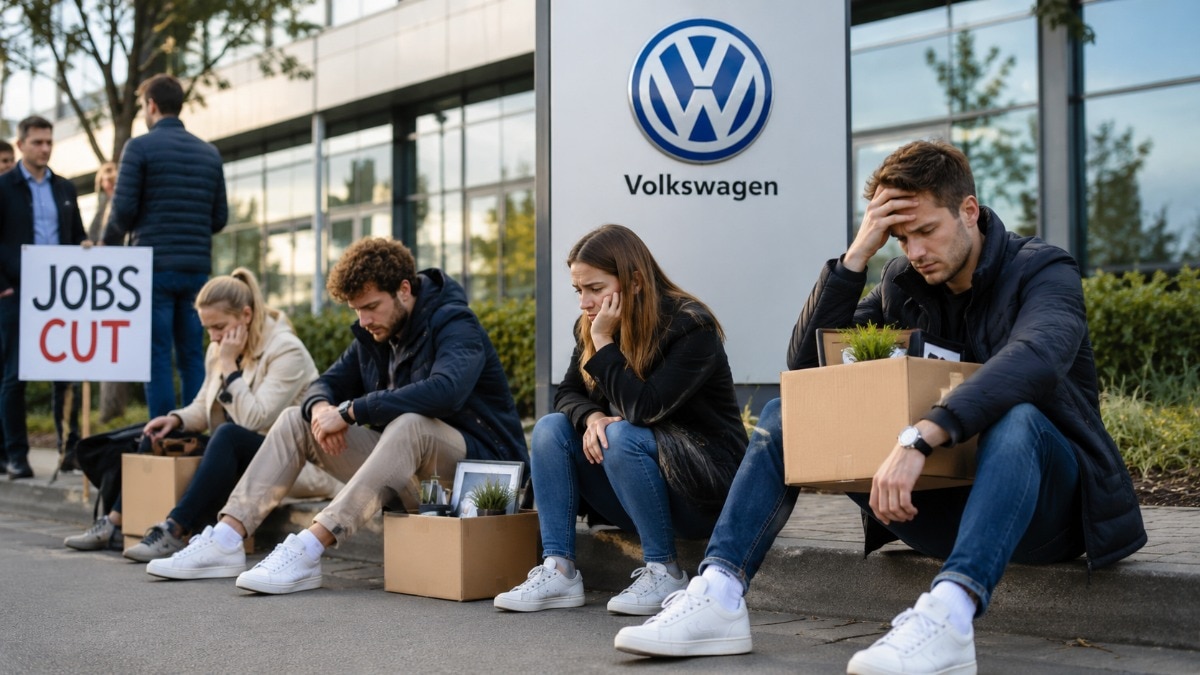
Volkswagen approves Future Plan to cut 50,000 additional jobs
Volkswagen Plans 50,000 More Job Cuts Amid Global Competition
Volkswagen Plans 50,000 More Job Cuts, Halves Model Portfolio
Volkswagen Faces Worker Anger Amid Jobs Cuts And China Competition
Volkswagen CEO Faces Pushback Over 50,000 Job Cuts Plan

Volkswagen Weighs Longer Workweeks to Protect German Jobs
Volkswagen Chief Warns Company Faces More Than Critical Situation