1 week ago
Volkswagen Faces Worker Anger Amid Jobs Cuts And China Competition
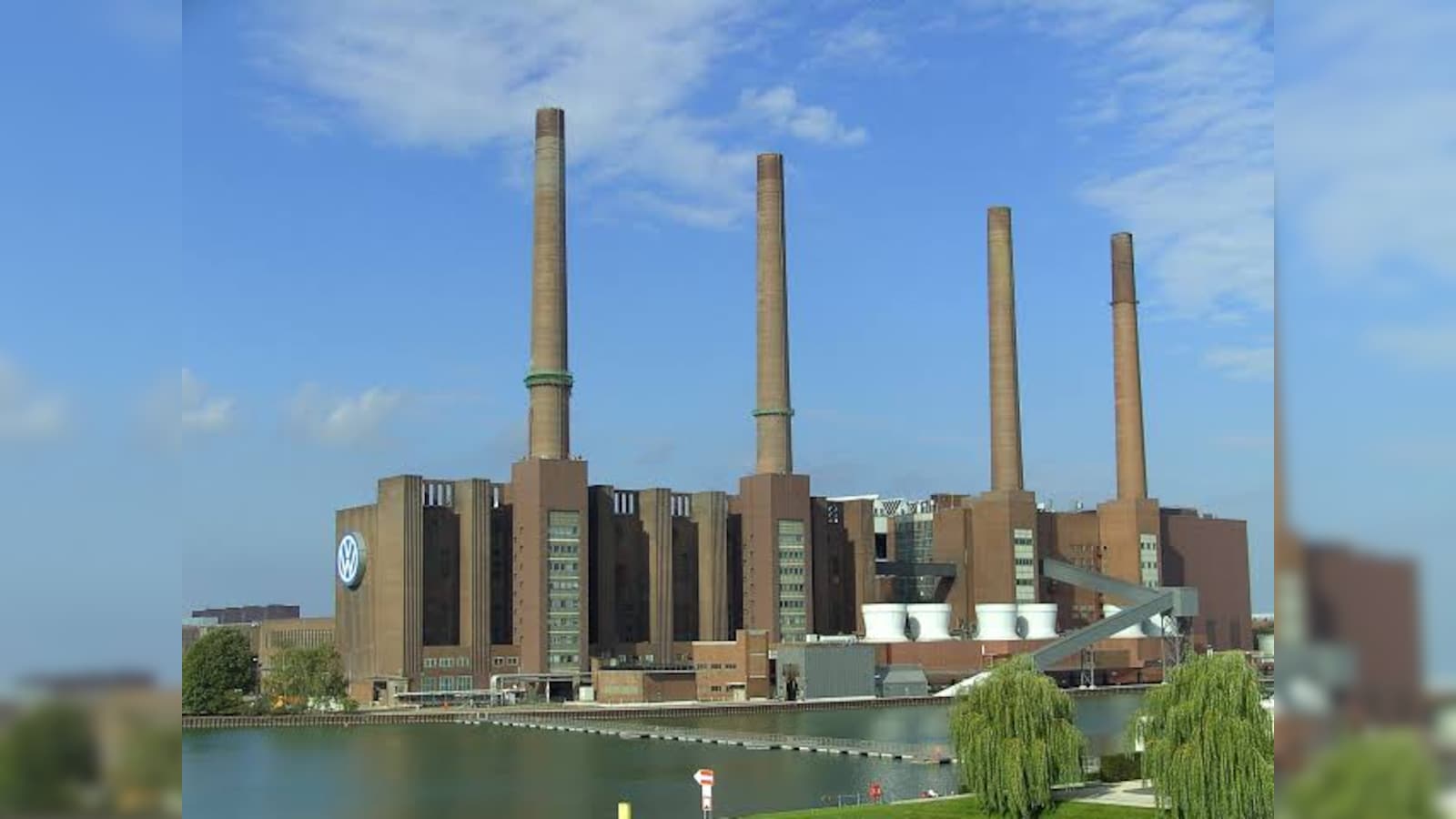
Volkswagen is a very large car company facing serious business problems.
It is considering reducing its workforce by as many as 50,000 jobs.
Earlier reports mentioned a possible total of 100,000 jobs, but Volkswagen says these are only scenarios.
The company says it prefers voluntary departures, early retirement and fewer new hires.
Workers are worried because some factories may have uncertain futures.
More than 10,000 employees protested at the company’s headquarters in Wolfsburg.
They booed CEO Oliver Blume when he asked everyone to work together.
Volkswagen says it must lower costs and compete better with Chinese carmakers.
Workers and company leaders disagree about how the changes should happen.

Volkswagen is considering cutting up to 50,000 jobs, roughly half in Germany and half elsewhere.
Earlier reports suggested potential global cuts of up to 100,000 jobs, but no final figure has been confirmed.
More than 10,000 workers protested at Volkswagen’s Wolfsburg headquarters and booed CEO Oliver Blume.
The company faces weak demand, falling sales in China, stronger Chinese electric-vehicle competition, US tariffs and high production costs.
Volkswagen’s works council and Lower Saxony have prepared alternative plans ahead of a supervisory board meeting on September 4.
- Who
- Volkswagen, CEO Oliver Blume, its workers, labour representatives and Lower Saxony.
- What
- Volkswagen is considering a major restructuring that could cut up to 50,000 jobs and affect several plants.
- Where
- The protest took place at Volkswagen’s headquarters in Wolfsburg, Germany; the restructuring focuses heavily on German operations.
- When
- Workers protested on Tuesday; the supervisory board is expected to discuss alternative plans on September 4.
- Why
- Volkswagen faces weak demand, falling sales in China, stronger Chinese competition, US tariffs and high production costs.
Workers And Labour Representatives
Volkswagen Management
Job cuts and restructuring
Workers And Labour Representatives
Workers oppose the uncertainty surrounding possible layoffs and the futures of several factories. Works council chief Daniela Cavallo said confidence in management had been damaged.
Volkswagen Management
Management says Volkswagen must undergo major change to remain competitive and is considering up to 50,000 job cuts, mainly through voluntary departures, early retirement and hiring restrictions.
Factory strategy
Workers And Labour Representatives
Labour representatives and Lower Saxony have prepared alternative proposals and insist that German factories remain part of the Volkswagen Group.
Volkswagen Management
Management is examining major changes to German operations, including possible plant closures and the end of production at Osnabrück next year.
Communication
Workers And Labour Representatives
Workers’ protests and boos reflected anger over what they view as insufficient clarity about the restructuring’s scope and consequences.
Volkswagen Management
Blume has described the figures as scenarios rather than confirmed layoffs and has urged employees to pull together while the company responds to its critical condition.
Key facts
- Potential job cuts
- Up to 50,000 jobs are under consideration, with roughly half in Germany and half elsewhere.
- Earlier reported figure
- Previous reports suggested potential global cuts of up to 100,000 jobs over coming years.
- Protest attendance
- More than 10,000 workers gathered at Volkswagen’s Wolfsburg headquarters.
- Cost disadvantage
- Oliver Blume said Volkswagen’s costs are around 30% higher than those of some rivals.
- Osnabrück plant
- Production at the Osnabrück site is due to end next year.
- Uncertain plants
- The future of four other locations after 2030 remains uncertain.
- Planned meeting
- Alternative turnaround proposals are expected to be discussed at the supervisory board meeting on September 4.
Quotes

Daniela Cavallo
Volkswagen works council chief
“The German factories belong to the Volkswagen Group. They are an integral part”
 NDTV
NDTV
Abhishek Bhilwaria
Partner at BhilwariaFinserv
“The current communication strategy from leadership is creating a double-edged sword.”
NDTV
Sources
Related news
Volkswagen CEO Faces Pushback Over 50,000 Job Cuts Plan

Volkswagen Chief Warns Company Faces More Than Critical Situation

Volkswagen Plans Production Endings at Four German Plants

Visa Cuts 2,600 Jobs Amid AI Push, India Employees Shocked

Oracle Reportedly Plans Fresh India Layoffs Amid AI Infrastructure Spending

Four Killed, Four Injured in Tumakuru Head-On Collision