

1 hr ago
Volkswagen Weighs Longer Workweeks to Protect German Jobs

Volkswagen is trying to spend less money and remain competitive.
The company is considering closing four factories in Germany.
It says production in Germany is expensive, while cheaper cars from other countries are taking customers.
Many German factory workers normally work 35 hours per week.
Some politicians want workers to work 40 hours for the same pay.
They believe this could help Volkswagen produce more and protect jobs.
Unions have historically fought to preserve shorter working hours.
The company and the unions would have to agree before the workweek could change.

Volkswagen is considering restructuring measures, including the possible closure of four German plants.
The automaker says high domestic labor costs reduce profits as cheaper overseas models gain market share.
German metalworking commonly uses a 35-hour full-time week for many production workers.
Supporters of a 40-hour week argue that longer hours could improve productivity and German competitiveness.
Any change to Volkswagen workers’ contracts would need to be negotiated between management and unions.
- Who
- Volkswagen, its German workers and unions, and politicians including Michael Kretschmer and Friedrich Merz.
- What
- A debate over extending the standard workweek from 35 to 40 hours as Volkswagen considers restructuring and possible plant closures.
- Where
- Volkswagen’s German operations, including the Zwickau plant in Saxony.
- When
- The current debate follows Volkswagen’s restructuring announcement; the 35-hour agreement developed through labor negotiations in the 1980s and 1990s.
- Why
- Volkswagen says high domestic costs are hurting profits while cheaper models from abroad are gaining market share.
Longer hours could protect competitiveness
Working-time changes require union agreement
Workweek length
Longer hours could protect competitiveness
Michael Kretschmer advocated a 40-hour week and praised Mercedes-Benz for cost-cutting measures and securing agreement to longer hours for the same pay.
Working-time changes require union agreement
IG Metall has historically defended shorter working hours, and changes to labor contracts must be negotiated between unions and employers.
Effect on jobs
Longer hours could protect competitiveness
Supporters argue that five additional hours could raise productivity, reduce costs and help preserve German auto jobs.
Working-time changes require union agreement
The article does not establish that longer hours alone would solve Volkswagen’s financial problems or prevent plant closures.
German competitiveness
Longer hours could protect competitiveness
Michael Kretschmer and Friedrich Merz cautioned that the 35-hour week harms German competitiveness.
Working-time changes require union agreement
Workers’ representatives have historically treated shorter hours as a negotiated labor standard, reached after major industrial disputes.
Key facts
- Company
- Volkswagen
- Potential closures
- Four German plants are reportedly under consideration for closure, with a report citing a possible timeline through 2034.
- Current standard
- A 35-hour week is the full-time standard for many German metalworking production workers.
- Proposed change
- Some advocates support a 40-hour week, adding five hours.
- Union
- IG Metall represents most Volkswagen workers in Germany.
- Affected plant
- Volkswagen’s Zwickau plant in Saxony faces a closure threat.
- Historical context
- IG Metall helped establish shorter working hours after labor disputes in the 1980s and 1990s.
Quotes

IG Metall union
The German metalworkers’ union representing many Volkswagen employees and associated with the historical campaign for shorter working hours.
“More time to live, love, laugh”
 livemint.com
Sources
Related news
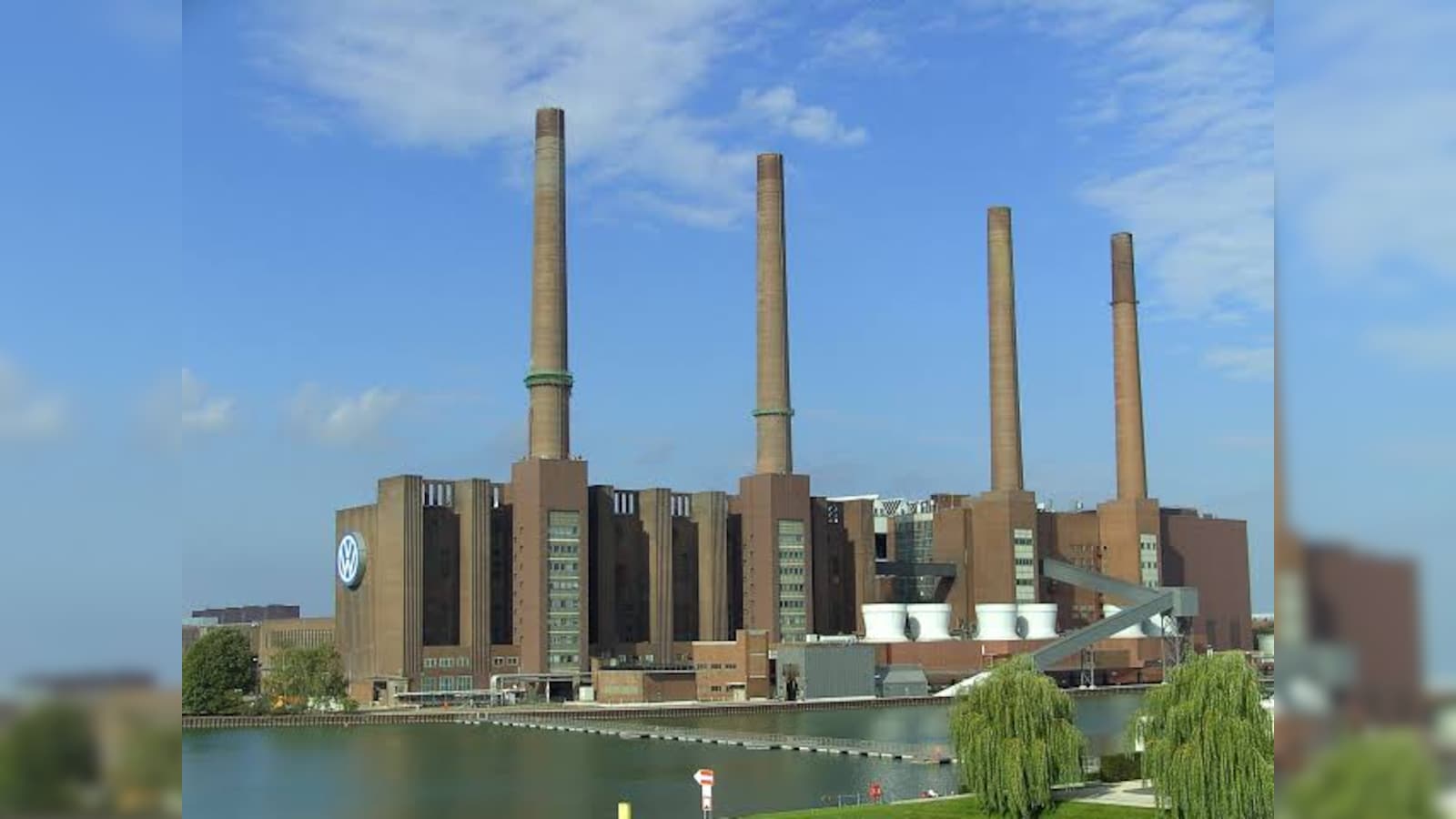
Volkswagen Faces Worker Anger Amid Jobs Cuts And China Competition
Volkswagen CEO Faces Pushback Over 50,000 Job Cuts Plan
Volkswagen Chief Warns Company Faces More Than Critical Situation

Volkswagen Plans Production Endings at Four German Plants

Hyundai Motor Workers Launch Full-Scale Strike Over Wage Dispute
