2 weeks ago
Cyclospora Outbreak Dulls Salad Dressing Sales After World Cup Boost

A stomach illness made many people worry that leafy greens were unsafe.
The illness is called cyclosporiasis and can come from contaminated food.
Health officials connected an early group of cases to iceberg lettuce at some Taco Bell restaurants.
Many people stopped eating salads, even after officials said leafy greens were safe again in Michigan.
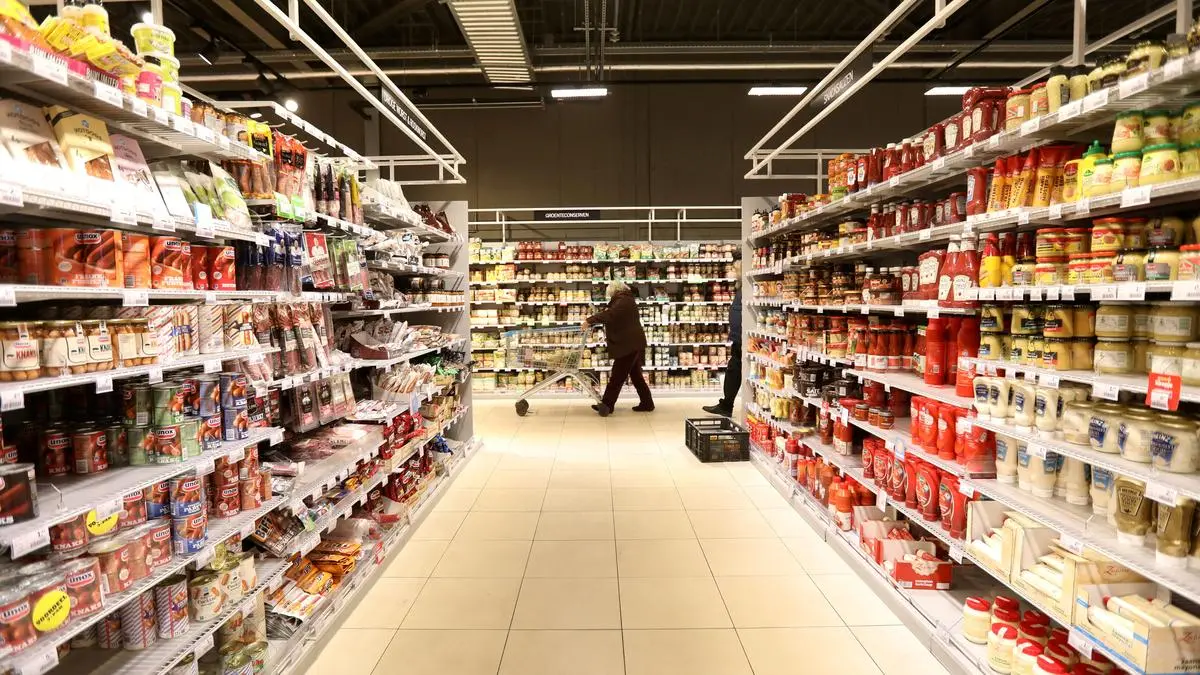
Because people bought fewer salads, they also bought less salad dressing.
Kraft Heinz and Clorox both saw dressing sales decline.
Some shoppers bought frozen vegetables and fruit instead, especially frozen kale.
Analysts expect shoppers to slowly regain trust, but the companies could still lose sales this quarter.

Kraft Heinz salad-dressing sales fell 20% in the latest four weeks, while Clorox’s Hidden Valley Ranch declined 5%.
Consumers reduced salad and leafy-green consumption after thousands of Americans developed cyclosporiasis.
Health officials linked an initial Midwest infection cluster to iceberg lettuce served at Taco Bell locations.
Iceberg lettuce sales fell 20%, while frozen kale sales rose 14% in the latest reported periods.
Analyst Robert Moskow said continued declines could weigh on Clorox and Kraft Heinz’s quarterly sales.
- Who
- Consumers, Kraft Heinz, Clorox, Sweetgreen, Cava, health officials, and analyst Robert Moskow were involved in the reported developments.
- What
- A cyclosporiasis outbreak reduced demand for leafy greens, salads, and salad dressing while increasing some frozen-food sales.
- Where
- The outbreak affected consumers across the United States; an initial large cluster was linked to the Midwest and Taco Bell locations.
- When
- The effects were reported during the summer, with sales comparisons covering the latest three to 12 weeks and an analyst note issued Tuesday.
- Why
- Consumers became concerned about food contamination and avoided salads or sought products with greater sourcing and handling visibility.
Consumer Caution
Industry Recovery
Whether to resume eating salads
Consumer Caution
Consumers remained wary of leafy greens because information about what was safe to eat was confusing, leading some to avoid salads entirely.
Industry Recovery
Health officials in Michigan said people could resume normal consumption of leafy greens, and analyst Robert Moskow expects consumer trust and sales to gradually recover.
Where consumers should shop
Consumer Caution
NielsenIQ reported increased interest in farmers’ markets as shoppers sought greater visibility into sourcing and handling.
Industry Recovery
The article does not identify a competing industry position, but companies and analysts anticipate that improving consumer confidence will support a recovery in fresh-food and dressing sales.
Key facts
- Kraft Heinz dressing sales
- Down 20% in the last four weeks, according to Nielsen data cited by TD Cowen.
- Clorox dressing sales
- Hidden Valley Ranch sales fell 5% in the last four weeks.
- Iceberg lettuce sales
- Down 20% in the last four weeks after rising 5% over the last 12 weeks.
- Frozen kale sales
- Up 14% in the three weeks ending Aug. 1 compared with a year earlier.
- Reported health issue
- Cyclosporiasis, a gastrointestinal illness caused by eating food contaminated with feces.
- Potential Clorox impact
- A continued decline through the third calendar quarter could create a 55-basis-point drag on US retail sales.
- Potential Kraft Heinz impact
- A continued decline through the third calendar quarter could create a 40-basis-point drag on US retail sales.
Quotes
TD Cowen analyst Robert Moskow
Financial analyst analyzing consumer trends for TD Cowen
“That said, the negative impact to Kraft Heinz and Clorox’s salad dressing brands may prove meaningful in the current quarter.”
 livemint.com
“We expect consumers’ trust in the industry to gradually improve and sales to recover.”
livemint.com
Sources
Related news

Taylor Farms pulls jalapeno products amid US salmonella outbreak

Michigan Says Lettuce Safe Again as Cyclospora Cases Decline

US food outbreaks spread across dozens of states, NIH boss says

Salad and Go to close all stores after bankruptcy filing

Alfalfa Sprouts Linked to Food-Poisoning Outbreak in 15 States
India's Condiment Boom Leaves Shoppers Spoilt, Confused and Overwhelmed

Berkshire to Sell Kraft Heinz Stake

Corporate Breakups Surge Amid Investor Discontent and Strategic Shifts
Kraft Heinz to Split, Buffett Disappointed as Shares Drop