3 weeks ago
Premier League's new sponsor economy: AI, fintech replace betting brands
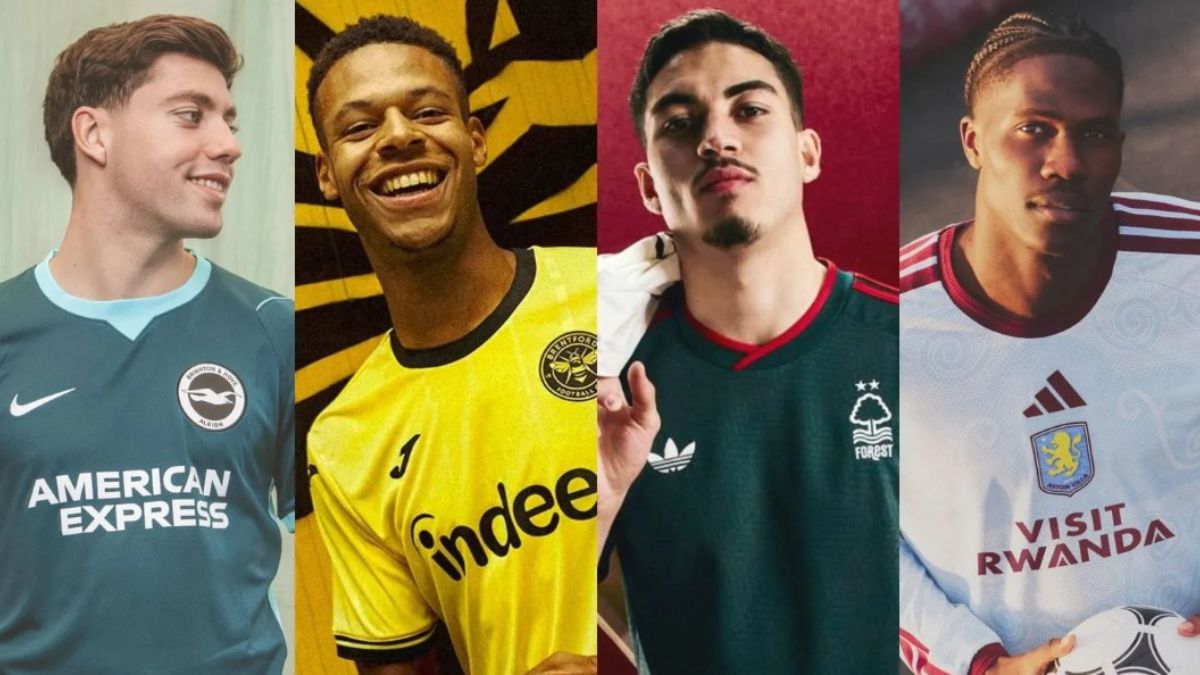
The Premier League is a big football competition in England.
For a long time, companies that let people bet on games paid a lot of money to put their names on team shirts.
Now, starting in 2026, betting companies are not allowed to sponsor the front of shirts anymore.
So teams are finding new kinds of partners instead.
A financial company called CMC Markets is now the sponsor for Everton.
Crystal Palace chose a software company called Temporal, and Aston Villa teamed up with Visit Rwanda, a tourism group.
Some experts think technology companies could become the biggest shirt sponsors by 2028.
But there is a worry: betting companies used to pay a lot of money, and teams in total might lose around 80 million pounds.
The teams will need to prove that their fans are valuable to these new companies.
So the shirt is not just a logo anymore — it is a way for companies to grow their business.

From the 2026-27 season, Premier League clubs are barred from having gambling companies as front-of-shirt sponsors under a collective agreement announced in 2023.
Everton replaced gambling brand Stake with financial-services company CMC Markets in a multi-year deal covering the men's, women's and Under-21 teams.
Crystal Palace signed software company Temporal as their front-of-shirt partner from 2026-27, while Aston Villa partnered with tourism and investment body Visit Rwanda.
Nielsen projects that software infrastructure companies could become the leading front-of-shirt sponsorship category by 2028, creating a technology-led sponsorship boom.
A Guardian analysis estimated the gambling withdrawal could leave Premier League clubs facing a collective shirt-sponsorship gap of around £80 million, with smaller clubs particularly exposed.
- Who
- Premier League clubs including Everton, Crystal Palace and Aston Villa, and their new sponsors CMC Markets, Temporal and Visit Rwanda
- What
- The front-of-shirt sponsorship market is shifting from gambling brands to AI-linked technology, fintech, software and tourism companies
- Where
- The Premier League in England
- When
- From the start of the 2026-27 season, following a collective agreement announced by the league in 2023
- Why
- A league-wide ban on gambling front-of-shirt sponsors and changing economics of what sponsors want from football audiences
Reform and new-economy advocates
Financial pragmatists and critics
Gambling sponsorship ban
Reform and new-economy advocates
Removing betting brands from the front of shirts ends the gambling-led sponsorship model and opens the market to technology, fintech and tourism partners.
Financial pragmatists and critics
The gambling withdrawal could leave Premier League clubs facing a collective shirt-sponsorship gap of around £80 million, with smaller clubs particularly exposed.
Visit Rwanda-Aston Villa partnership
Reform and new-economy advocates
Human-rights organisations accused Rwanda of using sports partnerships to improve its international image.
Financial pragmatists and critics
Rwanda rejects allegations surrounding its role in the conflict in the Democratic Republic of Congo and positions the deal around tourism, trade, investment and sporting development.
Tech-led sponsorship economics
Reform and new-economy advocates
Nielsen sees a potential 'tech gold rush,' with software infrastructure companies possibly becoming the leading front-of-shirt sponsorship category by 2028.
Financial pragmatists and critics
Tech and fintech firms have different customer-acquisition economics, so clubs must use more sophisticated sales strategies and audience measurement to prove their value.
Key facts
- Gambling front-of-shirt ban
- Effective from 2026-27 season
- Ban announced
- 2023 via collective agreement
- Everton's new sponsor
- CMC Markets (replacing Stake)
- Crystal Palace's new sponsor
- Temporal (from 2026-27)
- Aston Villa's new sponsor
- Visit Rwanda
- Estimated sponsorship gap
- Around £80 million (Guardian analysis)
- Global football fans
- 51% of people (Nielsen 2025 Global Sports Report)
- Squad Cost Ratio limit
- 85% of football revenue (from 2026-27)
Sources
Related news

Pique's chess investment signals franchise future for Global Chess League

Dream11 Drops Prizes, Pivots Toward Global Sports Engagement

John Abraham, Jonty Rhodes Unveil Rotterdam Dockers Jersey for ETPL

Jeff Bezos Joins Consortium Seeking Liverpool FC Stake
Bezos-Led Consortium Secures Minority Stake in Liverpool F.C.