2 weeks ago
Dry Eyes, Phone Germs and Fatty Liver Questions Answered
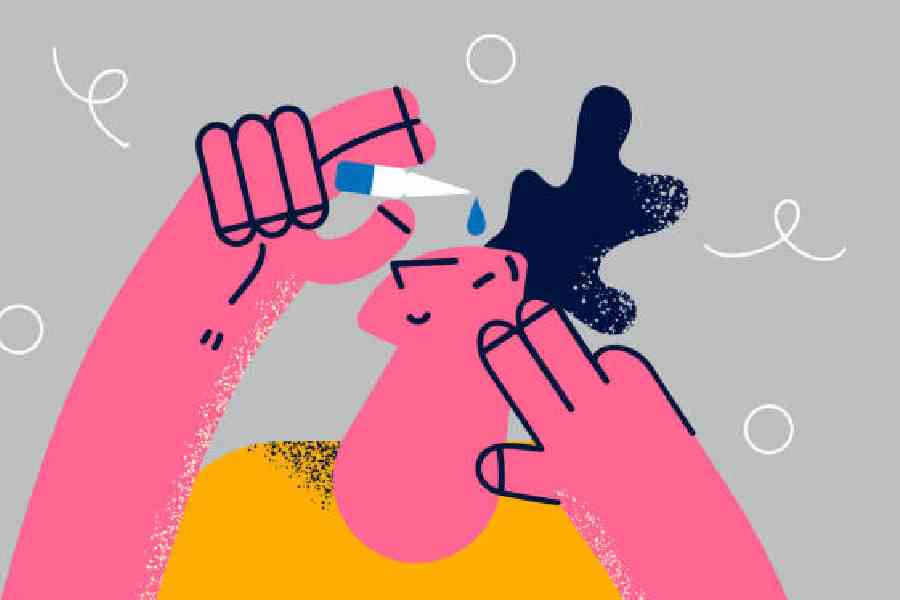
Dry eyes can feel like there is sand in them because the eyes are not making enough tears.
Screens, some medicines and getting older can contribute to this problem.
Blinking often, taking screen breaks and using artificial tears may help.
A phone can collect germs, so it should be gently wiped without getting liquid into its openings.
Fatty liver means extra fat has built up in the liver, even when someone does not drink alcohol.
Healthy eating, exercise, weight management and controlling blood sugar and fats may help improve it.
People should follow up with a doctor to monitor the liver.
Water should be taken when a person is thirsty and more often during exercise, hot weather or illness.
Lemon-yellow urine is offered as a general sign of adequate hydration.

Dry eyes may result from insufficient tears, aging, certain medicines or prolonged screen use.
Frequent blinking, warm compresses, hydration and artificial tears may help relieve dry-eye symptoms.
Mobile phones can collect germs and should be wiped carefully with a microfiber cloth rather than washed.
Fatty liver, now called MASLD, can affect people who do not drink alcohol and is linked to metabolic risk factors.
Water is best consumed when thirsty and around exercise, illness or heavy sweating, with lemon-yellow urine suggested as a guide.
- Who
- People experiencing dry eyes, concerns about phone contamination, abdominal bloating or a fatty-liver finding, and those seeking hydration advice.
- What
- A medical advice column addresses dry-eye care, phone cleaning, metabolic dysfunction-associated steatotic liver disease and water intake.
- Where
- The writer is described as having a family practice in Vellore; no location is specified for the readers’ symptoms.
- When
- No publication date or specific timing is stated; water advice includes morning, exercise, hot weather and illness.
- Why
- To answer readers’ health concerns and provide practical steps, warning signs and follow-up advice.
Key facts
- Dry-eye measures
- Use a warm, moist towel for 5–10 minutes twice daily, blink more during screen use and consider artificial tears as directed.
- Screen-break rule
- The 20-20-20 rule recommends looking at an object 20 feet away for at least 20 seconds every 20 minutes.
- Phone cleaning
- Use a soft, lint-free microfiber cloth; do not spray liquid directly onto the phone or use hand sanitiser.
- Disinfection
- If needed, lightly dampen the cloth with 70 per cent isopropyl alcohol and keep liquid away from ports, speakers and openings.
- Fatty liver name
- Metabolic dysfunction-associated steatotic liver disease, or MASLD, was formerly called non-alcoholic fatty liver disease.
- MASLD risk factors
- Risk is higher with overweight or obesity, raised cholesterol or triglycerides, diabetes, high blood pressure and a sedentary lifestyle.
- Hydration guide
- Drink when thirsty and increase intake during exercise, heat, fever, vomiting or diarrhoea; urine should be lemon yellow.
Sources
Related news
Why Phone Screens Leave Your Eyes Feeling Dry

Simple Ways to Keep Eyes Healthy During Screen Use
Healthy diet and lifestyle can prevent liver disease, experts say

Five Eye Symptoms Women Over 40 Should Never Ignore

Liver Disease Risks Extend Beyond Alcohol, Doctor Warns