

3 weeks ago
Why India Was Unhappy with Its Image in 1960s Sweden
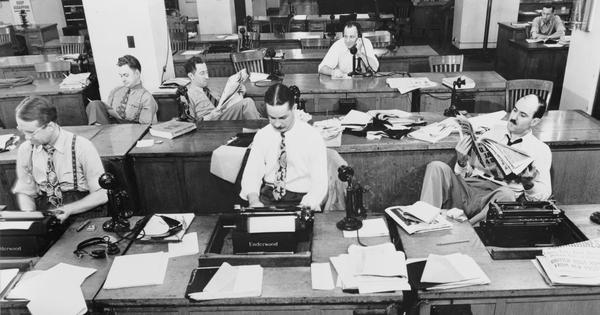
Many years ago, in the 1960s, some people in India were unhappy about how newspapers in Sweden showed their country.
These newspapers often wrote about holy cows, dirty streets and poor people in Indian cities.
Indian diplomats in Sweden thought this was unfair.
They believed the Swedish newspapers were getting most of their news from Britain and America, which showed India in a bad light.
To fix this, the diplomats wanted to invite Swedish reporters to come and see India for themselves.
They also wanted to send Indian dancers and art shows to Sweden.
One Indian official who studied Swedish newspapers said the Swedish press was fair and did not want to hurt India.
He explained that Swedish people lived in a very clean country, so they noticed dirt and poverty in India more easily.
India wanted to improve its image in Sweden, but it did not have enough money back then to do much about it.

In the 1960s, Indian diplomats in Stockholm and Copenhagen pressed the foreign ministry over what they called negative, unbalanced Scandinavian coverage of India.
Officials blamed the heavy reliance of Scandinavian outlets on British and American news agencies, which they said shaped an unflattering picture of the country.
Ambassador Khub Chand called British reporting 'insidious propaganda' and accused Swedish journalist Sven Lindqvist, a Dagens Nyheter writer, of being a paid agent of Chinese propagandists.
Press attaché Dharam Deva's study concluded Swedish journalists were genuinely neutral and not systematically anti-India, though Swedish outlets lacked their own correspondents in India.
India proposed hosting Swedish journalists, screening documentaries and sending dance troupes to Sweden, but severe budgetary constraints blocked a sustained campaign.
- Who
- Indian diplomats including Khub Chand (India's ambassador to Sweden), Surendra Singh (foreign ministry official), Dharam Deva (press attaché), and the Swedish and Scandinavian media.
- What
- India's effort to counter perceived negative coverage of the country in Swedish and Scandinavian media, which officials blamed largely on British and American news agencies.
- Where
- India and Scandinavia, chiefly Sweden and Denmark, with embassies in Stockholm and Copenhagen.
- When
- The 1960s, with embassy reports and memos cited from 1964.
- Why
- Because coverage focused on poverty, holy cows, filth, untouchability and what officials called 'antediluvian customs,' which they feared distorted India's image.
Indian diplomat critics
Alternative assessments
Swedish media bias
Indian diplomat critics
Khub Chand and Surendra Singh saw skewed, sensationalised coverage of India that carried over from British and American agencies, dwelling on 'holy cow, filth and squalor.'
Alternative assessments
Dharam Deva's study found Swedish journalists 'genuinely neutral' and careful, with criticism reflecting Sweden's clean society and living conditions rather than bias.
Role of British press
Indian diplomat critics
Chand called British coverage 'insidious propaganda' and a 'poisonous original' that shaped all of Western European reporting on India.
Alternative assessments
Deva saw reliance on British sources as practical, since Britain knew India for over 200 years, and did not see hostility behind it.
Handling critical correspondents
Indian diplomat critics
India preferred a non-confrontational approach, inviting journalists and arguing that direct confrontation with agencies like AP would achieve little.
Alternative assessments
Pakistan 'made no bones' about confronting Western correspondents, even threatening bans, such as stopping a French TV crew at Karachi airport.
Key facts
- Time period
- The 1960s, with embassy correspondence and memos cited from 1964
- Locations
- Stockholm, Sweden and Copenhagen, Denmark
- Key officials
- Khub Chand (ambassador to Sweden), Surendra Singh (foreign ministry official), Dharam Deva (press attaché)
- Main complaint
- Swedish media focus on 'the holy cow, filth and squalor in Indian cities, our antediluvian customs and traditions'
- Alleged source of bias
- British and American news agencies supplying most foreign news to Scandinavian outlets
- Contrasting assessment
- Dharam Deva found Swedish journalists 'genuinely neutral'; their criticism reflected Sweden's clean society
- Proposed remedies
- Scandinavian correspondents in India, pro-India documentaries, journalist visits, lecture tours, dance troupes and art exhibitions
- Background figures
- Jawaharlal Nehru, who died months earlier, drew 'overwhelmingly sympathetic' Swedish coverage; Alva Myrdal, Sweden's ambassador to India, noted the unfavorable impression of drives from Santa Cruz airport to Bombay
Quotes
Surendra Singh
Senior Indian foreign affairs official
“"The suggestion, therefore, that a Swedish correspondent in Delhi would make some difference is obviously a good one, but one should not overrate the publicity value of a correspondent"”
 scroll.in
“"Their sense and tradition of neutrality is powerfully strong and they are not, therefore, generally prone to take sides, forcefully, one way or the other"”
scroll.in
Sources
Related news
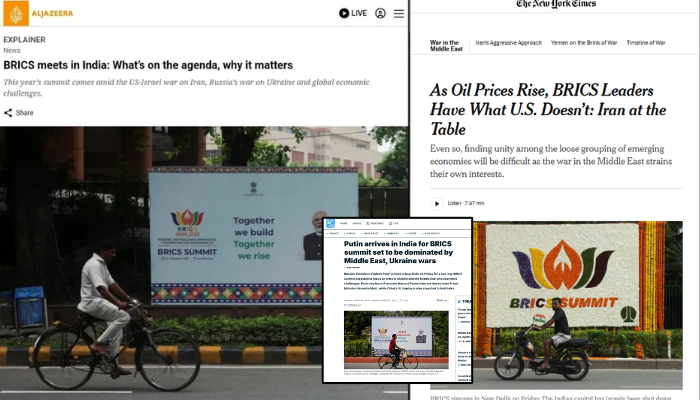
Foreign Media Coverage of BRICS Summit Draws India Bias Criticism
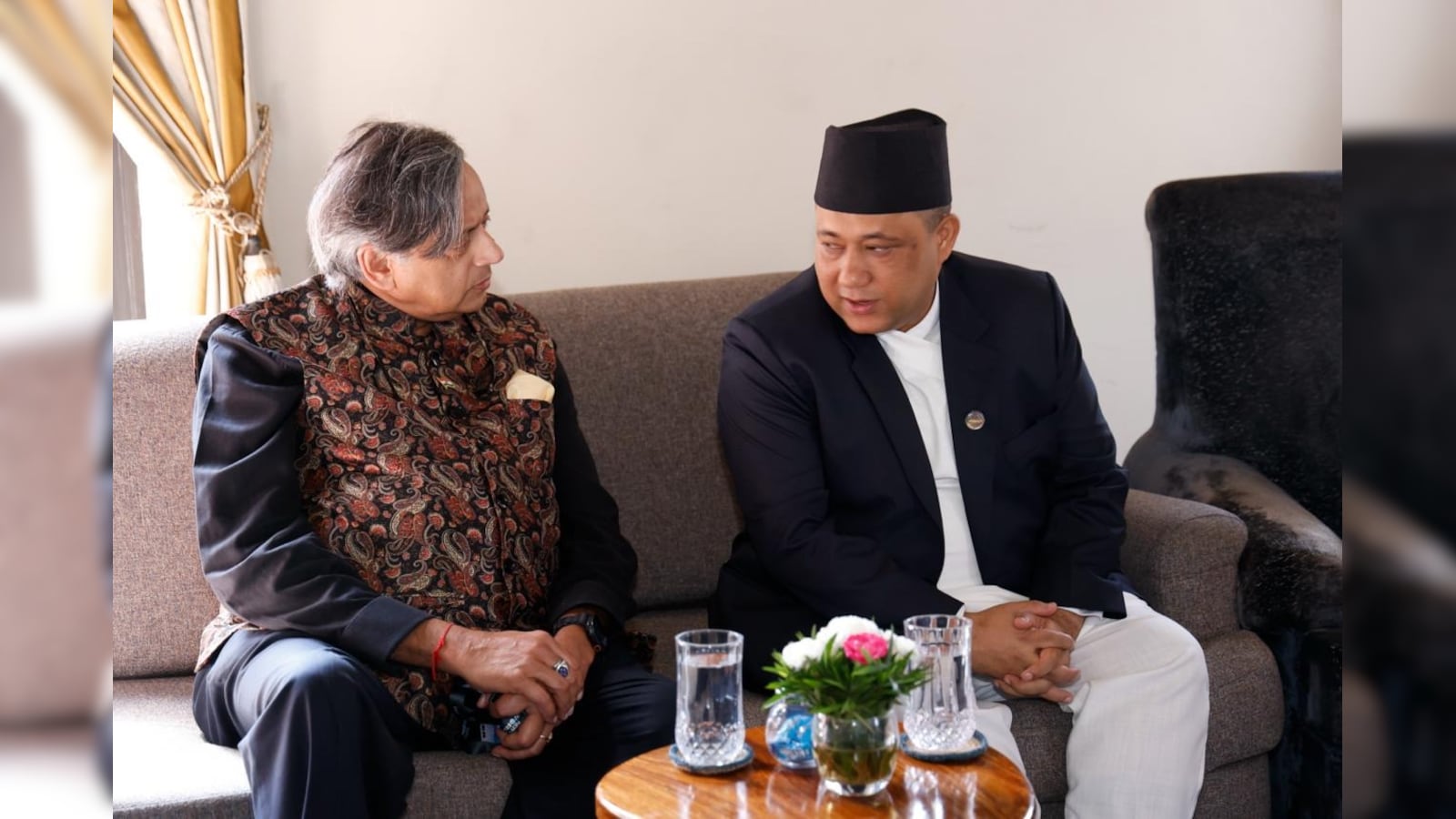
Tharoor Urges Restraint as India Sends Flood Relief to Nepal

Why Sweden’s 2026 Election Matters So Much to India

Indian Woman's Sweden Tax Comparison Sparks Public Services Debate
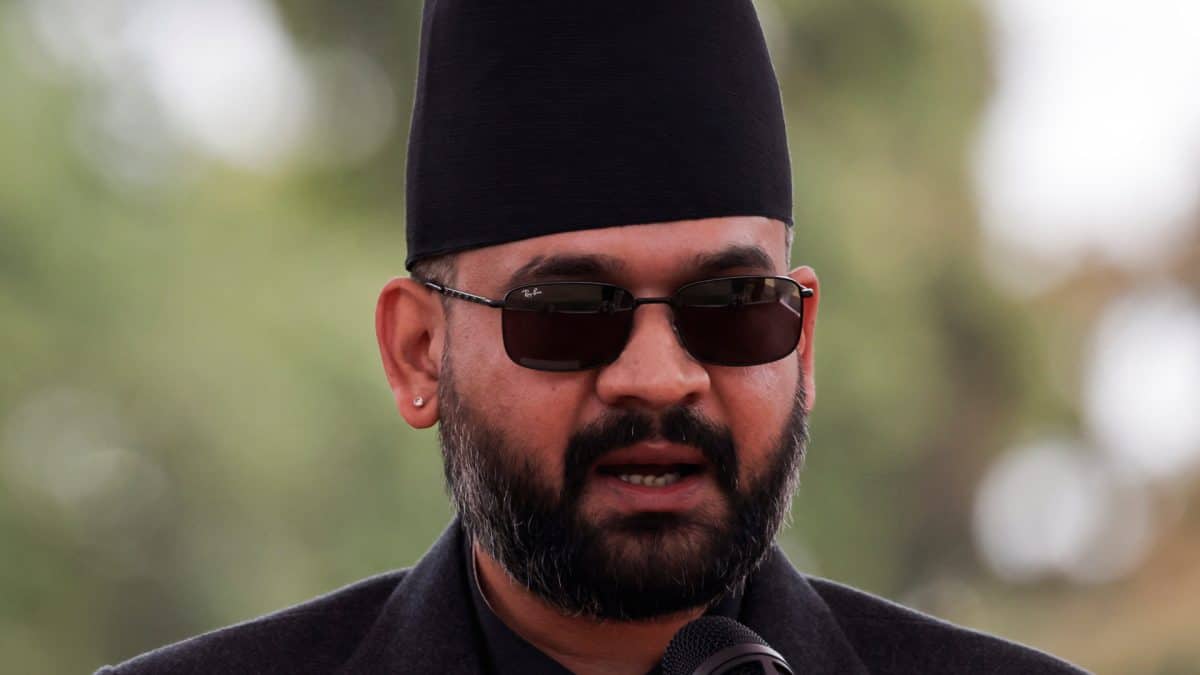
Nepal’s Diplomatic Reset Faces Its Real Test With India
Sergio Gor Critiques India’s Raucous Television News Culture

Twelve European Countries Urge EU to Strengthen Arctic Role

Andhra Pradesh Tests Danish Fibre Technology Against Potholes

Woman Unknown Wins Venice Golden Lion; Malkovich Named Best Actor

Iceland Summons U.S. Ambassador Over Trump’s Flag Map
EU Unveils Greenland Investment Plan Amid Trump’s Control Push
