

1 week ago
Nepal’s Diplomatic Reset Faces Its Real Test With India
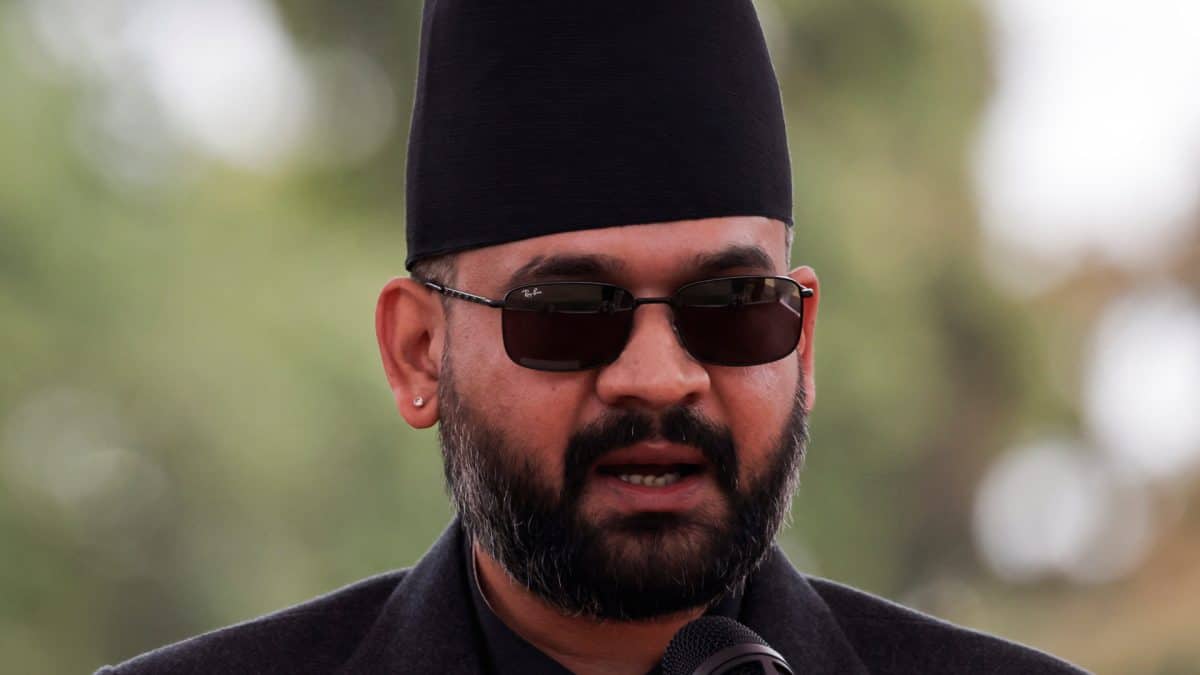
Nepal is trying to improve how it talks with other countries.
Its Foreign Ministry recently invited foreign journalists to ask questions, something it had not done broadly for several years.
Nepal says it wants to protect its interests, improve its image, and use diplomacy to support the economy.
India is especially important because Nepal depends on it for trade, travel routes, energy links, tourism, supplies, and movement across the open border.
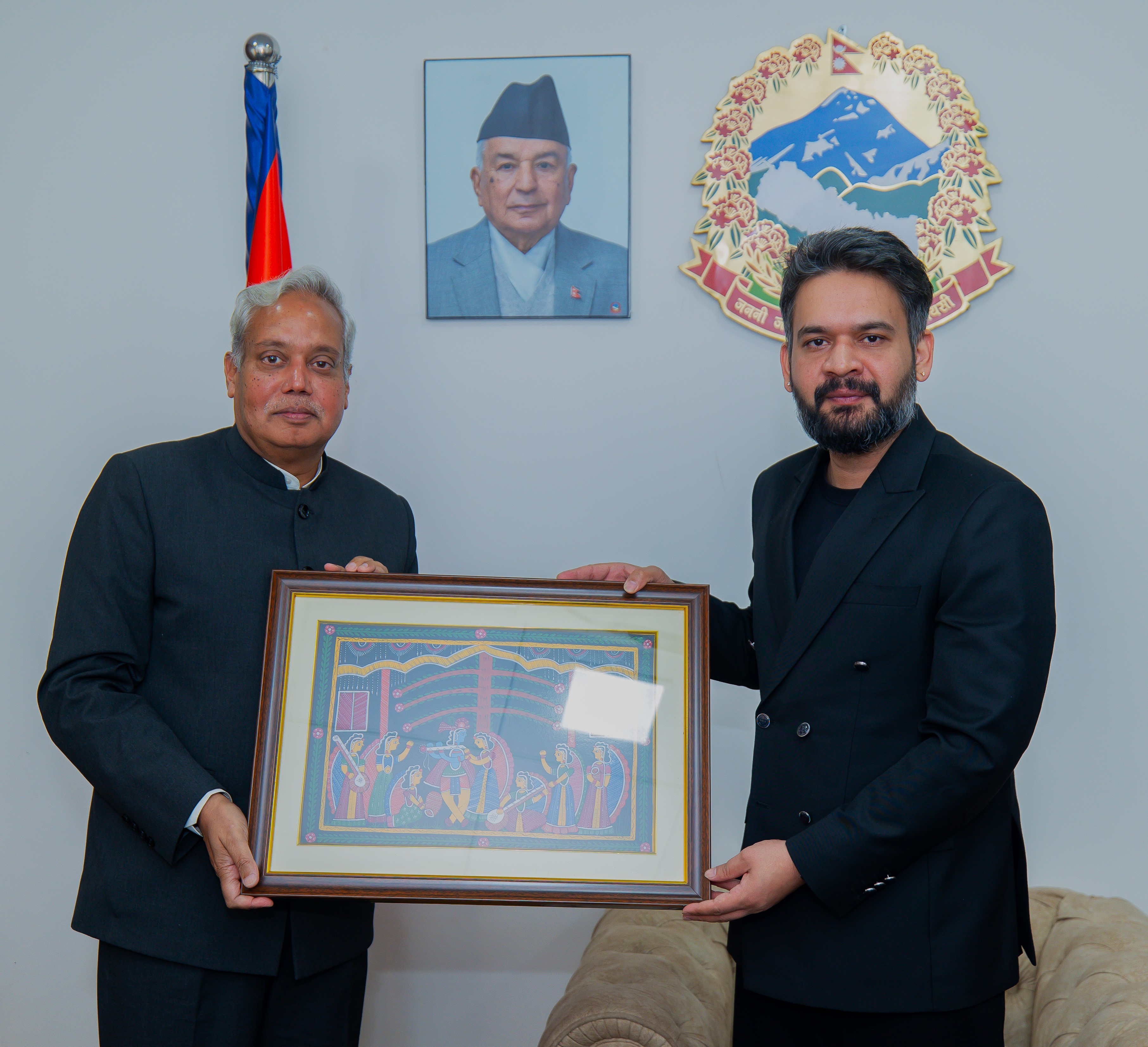
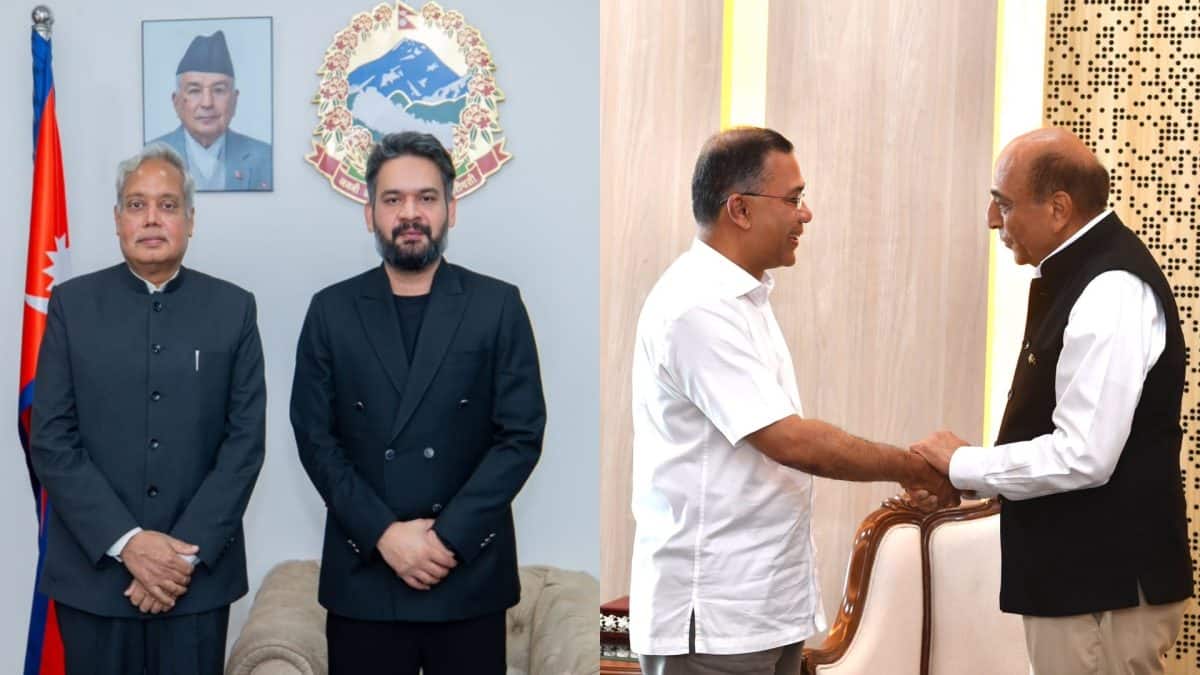
Prime Minister Balendra Shah recently met India’s ambassador privately, then met representatives from China and the United States.
Some observers saw the order of those meetings as a message that India matters greatly to Nepal.
Nepal also wants faster responses to misinformation and clearer explanations of its decisions.
However, communication alone cannot fix problems such as unstable policies, land acquisition, power transmission, and contract enforcement.
The real test will be whether Nepal continues these practices and delivers practical results.

Nepal’s Foreign Ministry has renewed engagement with foreign correspondents after several years of limited interaction.
The ministry identified national interests, Nepal’s international image, and economic diplomacy as key priorities.
India is central to Nepal’s strategy because of trade, transit, energy, tourism, supplies, and the open border.
Prime Minister Balendra Shah separately met the Indian ambassador on August 10, followed by meetings with Chinese and United States representatives.
The reset’s credibility will depend on consistent communication, domestic reforms, and measurable results rather than messaging alone.
- Who
- Nepal’s Foreign Ministry and Prime Minister Balendra Shah are reshaping the country’s diplomatic approach, with India as the central test.
- What
- Nepal is pursuing more public diplomatic engagement, stronger economic diplomacy, improved international messaging, and closer practical coordination with India.
- Where
- The briefing and Shah’s meeting with the Indian ambassador were held at Singha Durbar in Kathmandu.
- When
- The foreign-correspondent briefing occurred on August 13, 2026; Shah’s meeting with India’s ambassador took place on August 10.
- Why
- Nepal wants to protect national interests, improve its image, support economic goals, reduce speculation, and strengthen relations with key neighbors.
Communication-Centered View
Implementation-Centered View
How to improve Nepal’s diplomatic image
Communication-Centered View
Regular, on-the-record briefings and faster responses could reduce speculation and misinformation about Nepal’s foreign policy.
Implementation-Centered View
Better messaging cannot substitute for sound decisions, clear policy, and practical delivery.
Nepal’s balance between India and China
Communication-Centered View
Nepal should communicate more clearly that stronger engagement with China does not necessarily mean turning away from India.
Implementation-Centered View
The competing narratives reflect genuine and contested political positions inside Nepal, not merely an information problem.
Economic diplomacy
Communication-Centered View
Giving economic diplomacy a clear political owner could help Nepal turn embassies into more effective trade and investment channels.
Implementation-Centered View
Foreign missions cannot overcome domestic barriers such as land acquisition difficulties, weak contract enforcement, power constraints, and policy instability.
Key facts
- Foreign Ministry priorities
- Protecting national interests, improving Nepal’s international image, and advancing national objectives through economic diplomacy.
- India’s importance
- India is significant for Nepal’s merchandise trade, supplies, transit, tourists, and open-border labor movement.
- Energy cooperation
- The proposed agenda includes power trade and transmission lines carrying electricity across the Nepal-India border.
- Trade cooperation
- Nepal is interested in improving trade at Terai crossings and reaching third-country markets through India’s trade networks.
- Economic constraint
- Remittances account for about a quarter of Nepal’s GDP, while investment efforts have faced low conversion rates.
- Domestic obstacles
- Land acquisition, power evacuation, contract enforcement, and policy instability hinder investment promotion.
- Measures to watch
- Observers will assess whether briefings become regular and whether economic diplomacy produces published, measurable targets.
Sources
Related news

Nepal Refuses India-China Choice, Puts National Interest First
Nepal PM Balen Shah meets Indian envoy in first one-on-one
India envoys meet Nepal, Bangladesh PMs amid diplomatic friction
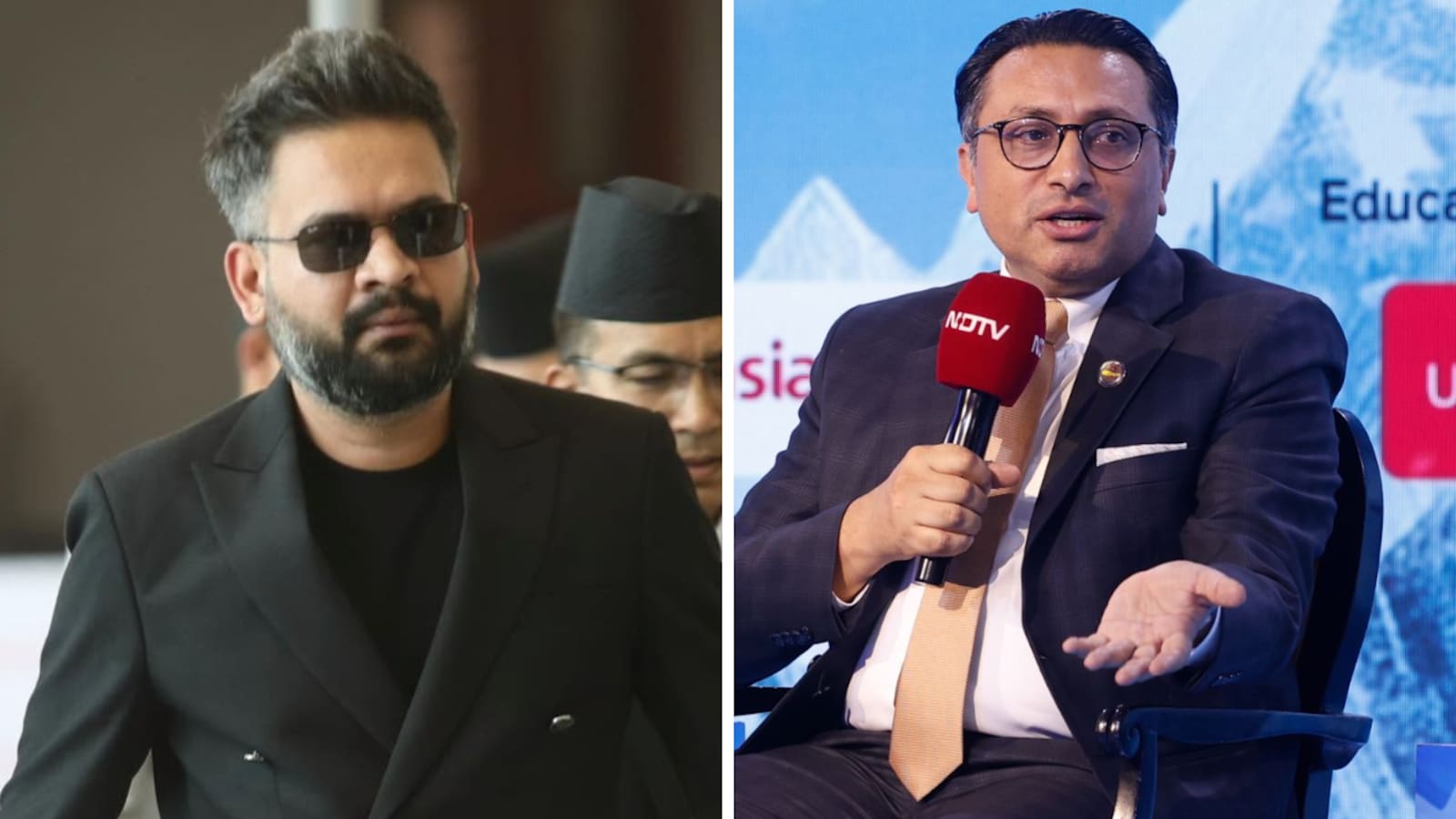
Nepal Says Balen Shah’s First Foreign Visit Will Be India
India’s ‘Maitri’ Strategy Recasts Its Regional Neighbourhood Diplomacy

India-Nepal Cooperation Expands Through Start-Ups, Cricket and Education
