1 month ago
Shimla Agreement Defines India-Pakistan Relations Since 1972
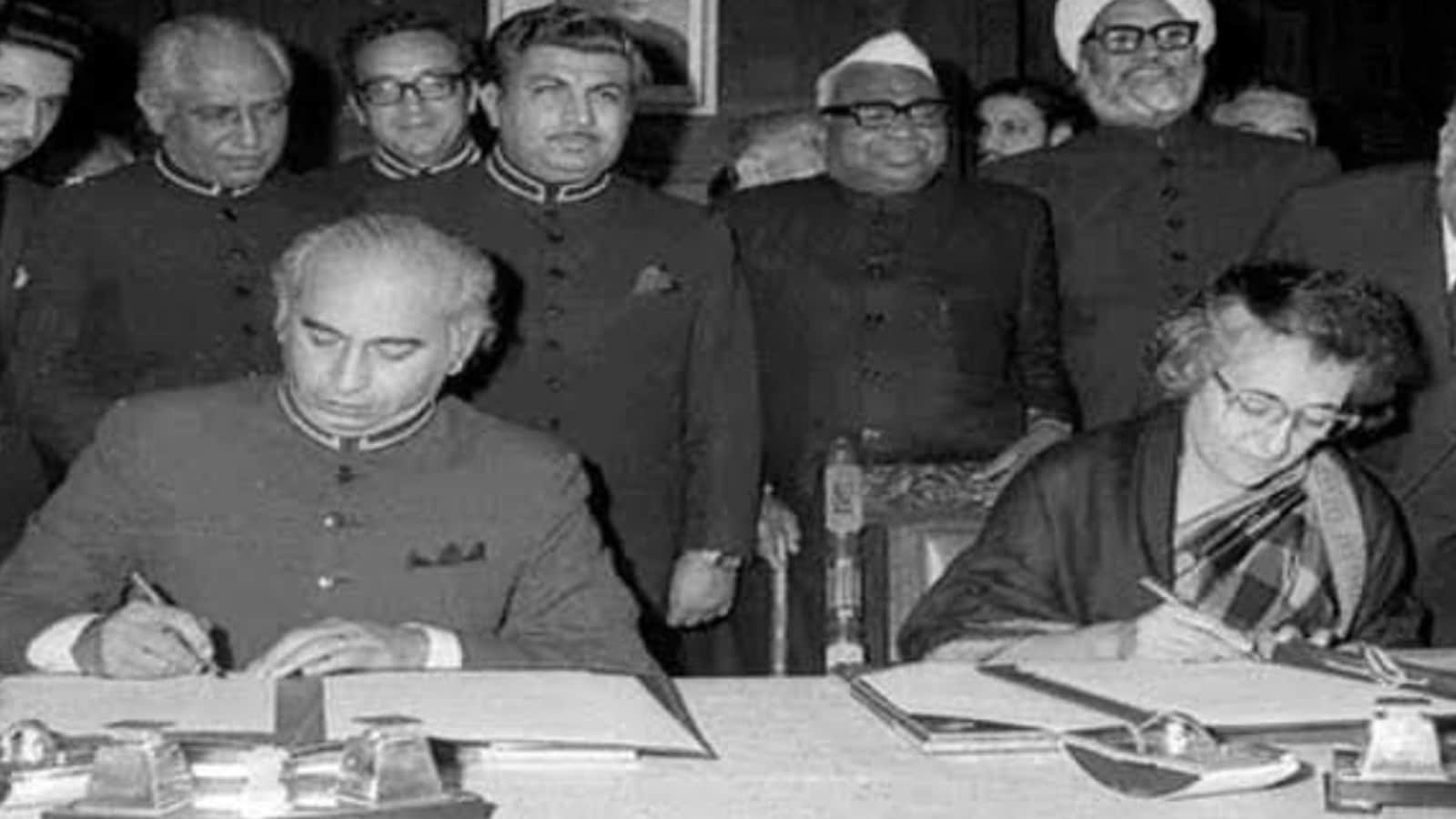
The Shimla Agreement was signed in 1972 by India and Pakistan to resolve their disputes, especially Kashmir, through direct talks.
It replaced earlier UN-driven processes and established a ceasefire line.
India insists on bilateral negotiations only, while Pakistan wants UN involvement.
Recently, Pakistan threatened to suspend the agreement but has not formally done so.
The agreement remains a key, though contested, part of India-Pakistan relations.

The Shimla Agreement was signed on July 2, 1972, by Indira Gandhi and Zulfikar Ali Bhutto.
It committed both countries to resolving disputes, including Kashmir, through bilateral negotiations.
India returned over 13,000 square kilometers of Pakistani territory captured during the 1971 war.
Pakistan has threatened to suspend the agreement in 2025 but has not formally withdrawn.
India insists the agreement is still valid as Pakistan has not followed legal withdrawal procedures.
- Who
- Indira Gandhi (India), Zulfikar Ali Bhutto (Pakistan)
- What
- Signing of the Shimla Agreement
- Where
- Shimla, India
- When
- July 2, 1972
- Why
- To establish a framework for resolving disputes, including Kashmir, through bilateral negotiations
India's Perspective
Pakistan's Perspective
UN Involvement in Kashmir
India's Perspective
India insists on bilateral negotiations only, excluding UN involvement.
Pakistan's Perspective
Pakistan maintains the UN should be involved in resolving the Kashmir issue.
Status of Shimla Agreement
India's Perspective
India asserts the agreement is still valid as Pakistan has not formally withdrawn.
Pakistan's Perspective
Pakistan has declared the agreement a 'dead document' but has not formally revoked it.
UNMOGIP's Role
India's Perspective
India believes UNMOGIP's mandate lapsed with the new Line of Control.
Pakistan's Perspective
Pakistan continues to lodge complaints with UNMOGIP and rejects India's stance.
Key facts
- Date of Agreement
- July 2, 1972
- Signatories
- Indira Gandhi (India), Zulfikar Ali Bhutto (Pakistan)
- Key Provisions
- Bilateral negotiations, respect for the ceasefire line, no force to alter the Line of Control
- Territory Returned
- India returned over 13,000 square kilometers of Pakistani territory
- UNMOGIP Status
- India: Mandate lapsed; Pakistan: Still active
- Recent Developments
- Pakistan threatened to suspend the agreement in 2025 but has not formally withdrawn
Sources
Related news
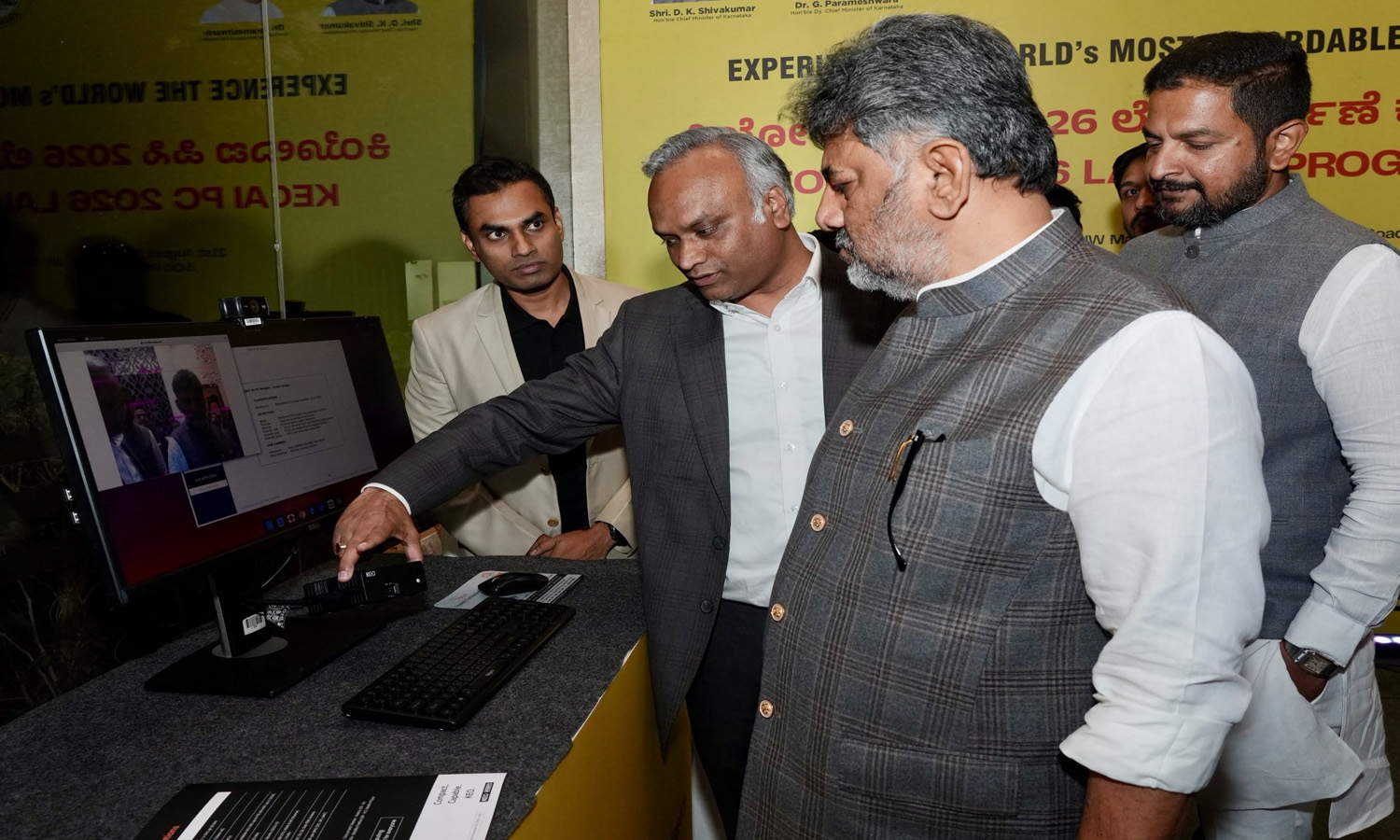
Bengaluru Engineers Develop Affordable AI PC KEO
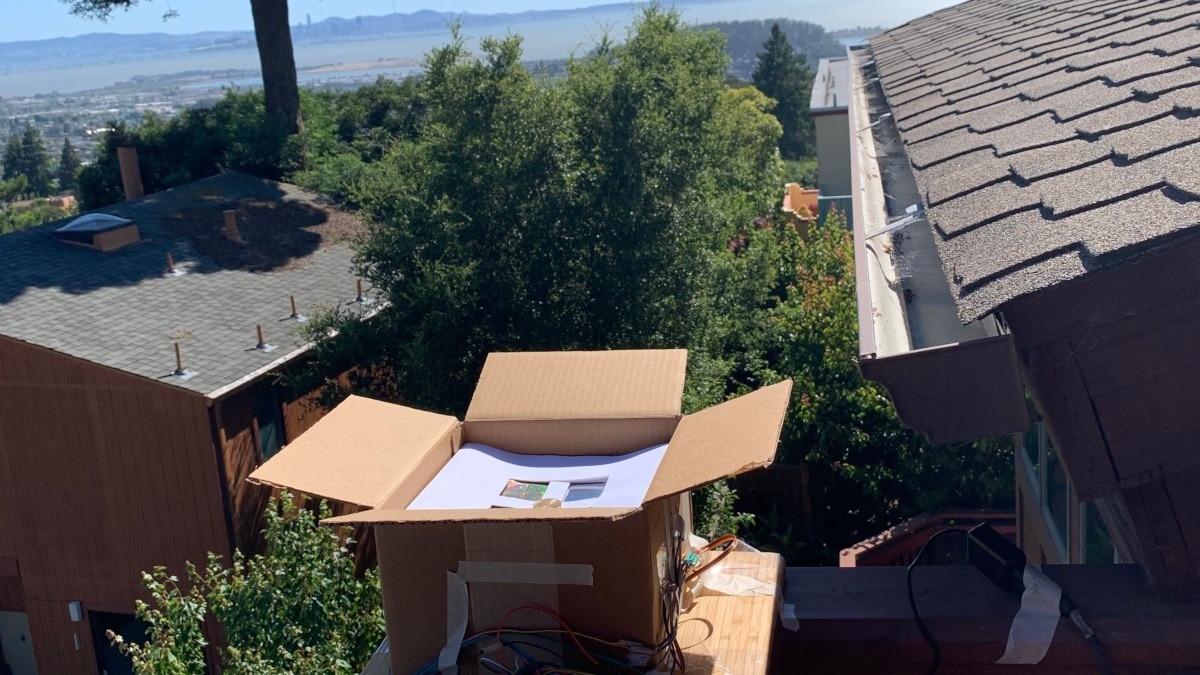
Smart Roof Coating Could Cut Household Power Bills 10%

Researchers expose 'Zoomsday' zero-click flaw in Zoom screen sharing

OpenAI reportedly building donut-shaped ChatGPT smart speaker for homes
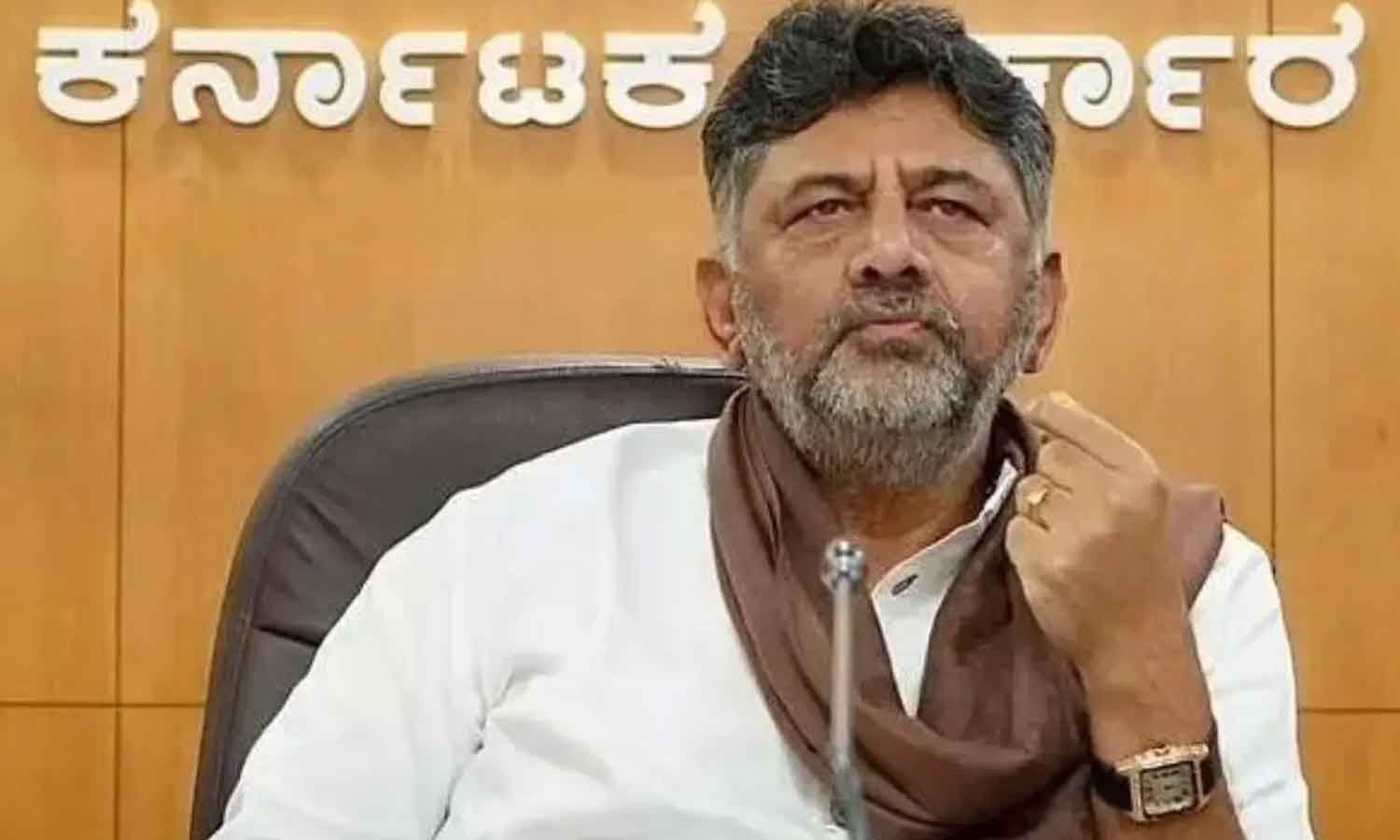
Karnataka Launches KEO AI Computers for Government Schools
UK and Ukraine Open Battlefield AI Partnership Amid War
Sara Taseer Says Pakistan Punishes Oxford-Educated Prime Ministers
India Urges Japan to Limit Advanced Defence Technology Transfers

Sheikh Hasina Vows Bangladesh Return Despite Jail Threat

Dhurandhar: Ranveer Singh's Thriller Explores Pakistan's ISI Mindset; Vicky Kaushal's Absence Raises Questions