3 weeks ago
OpenAI reportedly building donut-shaped ChatGPT smart speaker for homes
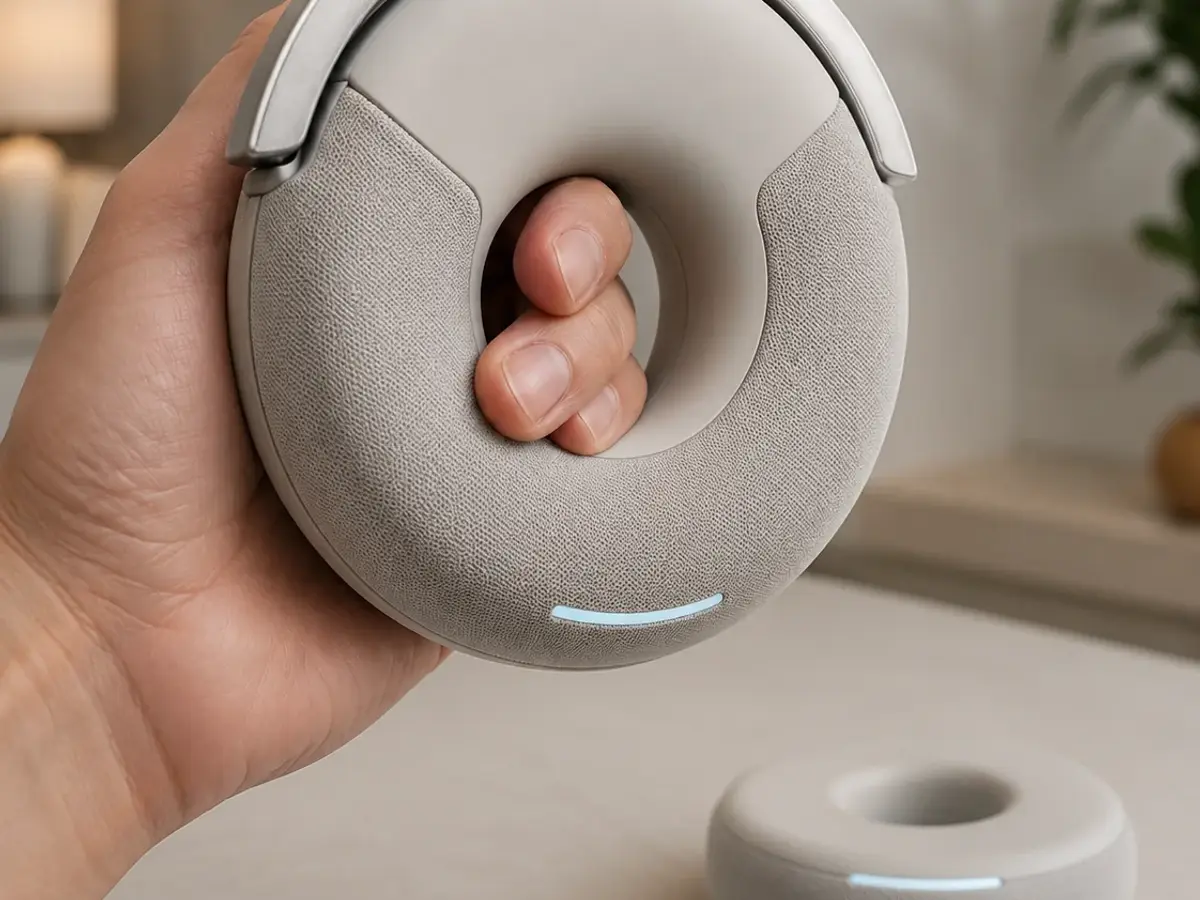
A company called OpenAI that makes ChatGPT might be building a new kind of smart speaker for homes.
A smart speaker is a small machine that can talk to you and play music when you ask.
This one might be shaped like a donut, with a round hole in the middle.
It would be made of fancy metal and could be carried from room to room.
You could put it on your nightstand, kitchen counter, or desk.
It would be a special home for ChatGPT, so you could talk to the AI anywhere in the house.
The speaker might cost between $300 and $400, which is more than most speakers cost.
A famous designer named Jony Ive is reportedly helping to design it.
It might come out in 2027.
But the company hasn't officially said any of this is true yet.

OpenAI is reportedly developing a premium ChatGPT-powered smart speaker priced between $300 and $400, according to Bloomberg.
The device is said to feature a donut-shaped design made from high-quality metal and is intended to be portable around the home.
The speaker is reportedly being designed with Jony Ive's LoveFrom studio and is expected to launch in 2027.
Unlike traditional smart speakers, the device is meant to serve as a physical home for ChatGPT, usable on bedside tables, kitchen counters or desks.
OpenAI has not officially confirmed the device's design or pricing, and the report notes it will include 'moving parts' of unclear purpose.
- Who
- OpenAI, reportedly working with Jony Ive's LoveFrom studio on the design
- What
- Developing a donut-shaped, ChatGPT-powered smart speaker priced between $300 and $400
- Where
- Designed for use around the home; the report originates from Bloomberg
- When
- Expected to launch in 2027
- Why
- To bring ChatGPT into everyday home life as a physical, portable device beyond smartphones and computers
Key facts
- Product
- ChatGPT-powered smart speaker
- Reported price
- $300-$400
- Design
- Donut-shaped, made from high-quality metal
- Reported design partner
- Jony Ive's LoveFrom studio
- Expected launch
- 2027
- Source
- Bloomberg report
- Official confirmation
- Not confirmed by OpenAI
- Notable feature
- Includes 'moving parts' of unclear purpose
Sources
Related news
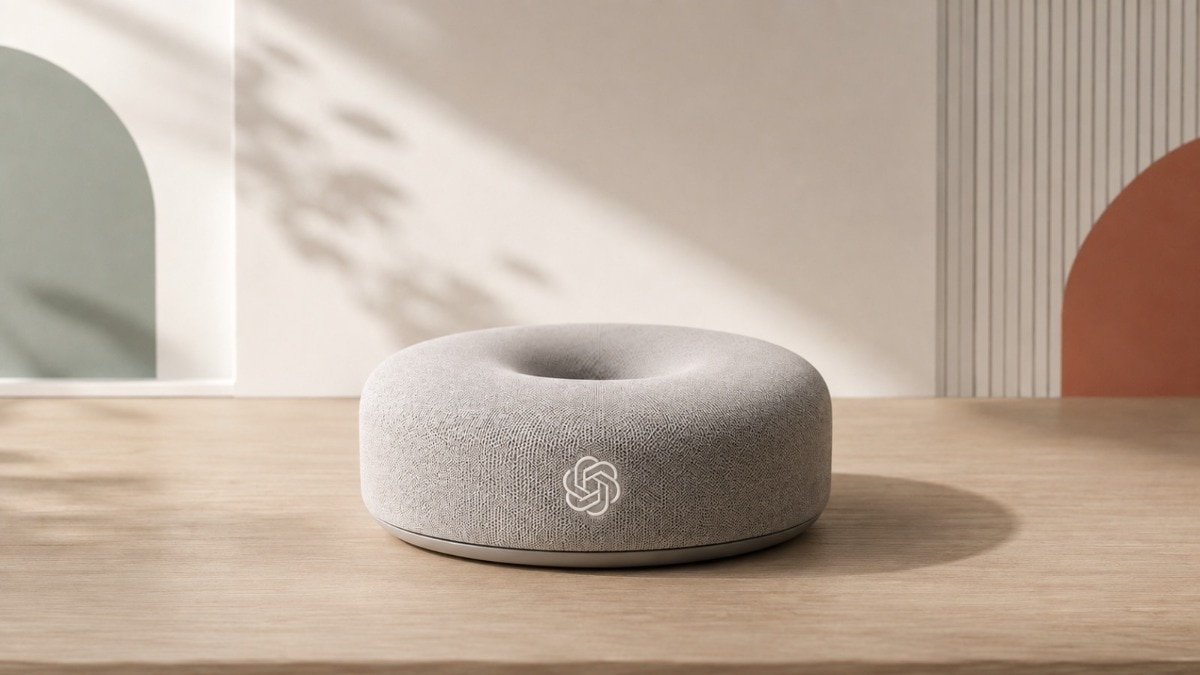
OpenAI reportedly launching $400 AI smart speaker with donut design

OpenAI's doughnut-shaped AI smart speaker could launch in 2027

Sam Altman Orders Seven Custom AI Watches for OpenAI Team

Apple, OpenAI Clash in Court Over Trade Secrets

Sonos Launches Sonos 27 With ChatGPT and AI Agents

Sam Altman Commissions Seven Ultra-Limited OpenAI Luxury Watches

New-Age Indian Stocks Rally, But Analysts See Uneven Upside

HDFC Bank Trading Slumps to Six-Month Low as Funds Buy

Apple Watch Series 12 Reportedly Gains New Health Features

iPhone 18 Pro India Launch: Expected Price and Upgrades

Tim Cook’s Pay and Wealth Trail Elon Musk’s