

5 days ago
Smart Roof Coating Could Cut Household Power Bills 10%
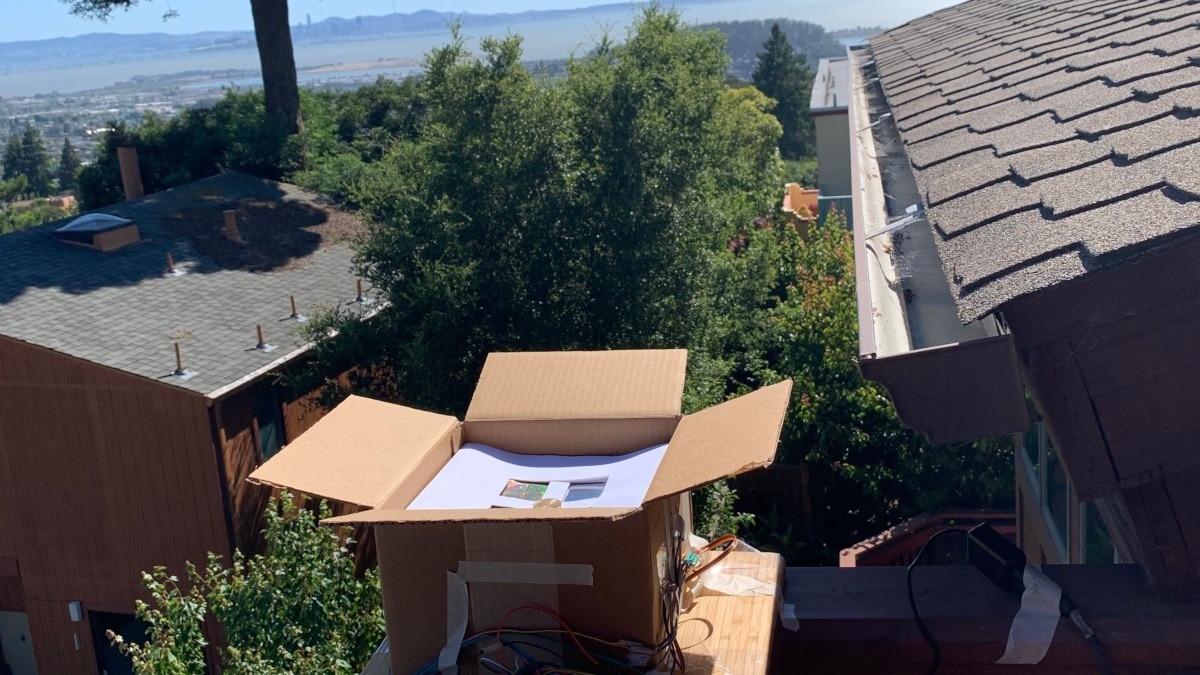
Scientists developed a roof coating called TARC that changes how it handles heat.
In hot weather, it sends extra heat away from a building and into the sky.
In cold weather, it helps keep heat from escaping.
This addresses a problem with regular cool roofs, which can keep losing heat during winter.
TARC reflects about 75% of sunlight in every season.
Its special ingredient is vanadium dioxide, which changes its behavior at different temperatures.
Researchers tested the idea with a balcony experiment and computer simulations.
The simulations covered 15 climate zones in the United States.
The team said TARC worked better than commercial cool roofs in 12 of those zones.

TARC is designed to switch between cooling and heat-trapping modes based on outdoor temperature.
The coating reflects about 75% of sunlight throughout the year.
Above 25°C, its thermal emittance rises to roughly 90% to release heat toward the sky.
Below 15°C, its thermal emittance falls to around 20%, reducing radiative heat loss.
Simulations found TARC outperformed commercial cool roofs in 12 of 15 U.S. climate zones.
- Who
- A team led by Junqiao Wu, with researchers including Kechao Tang, Ronnen Levinson, and Finnegan Reichertz.
- What
- The team developed and tested a temperature-adaptive radiative coating called TARC for roofs.
- Where
- The research involved Berkeley Lab facilities, a balcony experiment at Wu's home, and simulations across 15 U.S. climate zones.
- When
- The coating switches behavior above 25°C and below 15°C; no publication date is specified.
- Why
- TARC is intended to avoid the winter heat loss caused by conventional cool roofs while retaining their summer cooling benefits.
Key facts
- Potential savings
- The article title says TARC could cut annual household power bills by up to 10%.
- Sunlight reflection
- TARC reflects about 75% of sunlight year-round.
- Warm-weather behavior
- Above 25°C (77°F), thermal emittance rises to roughly 90%.
- Cool-weather behavior
- Below 15°C (59°F), thermal emittance drops to around 20%.
- Material
- The coating's temperature-switching behavior is based on vanadium dioxide.
- Testing scope
- Researchers modeled performance hour by hour across 15 U.S. climate zones.
- Simulation result
- TARC outperformed commercial cool-roof systems in 12 of the 15 zones.
Quotes
Junqiao Wu
Berkeley Lab faculty scientist and UC Berkeley professor who led the TARC development team
“Our all-season roof coating automatically switches from keeping you cool to warm, depending on outdoor air temperature. This is energy-free, emission-free air conditioning and heating, all in one device.”
 businesstoday.in
Sources
Related news

Purple Cooling Fabric Offers White-Level Performance in Sunlight

Aludecor Launches Weather-Responsive Intelligent Louver System
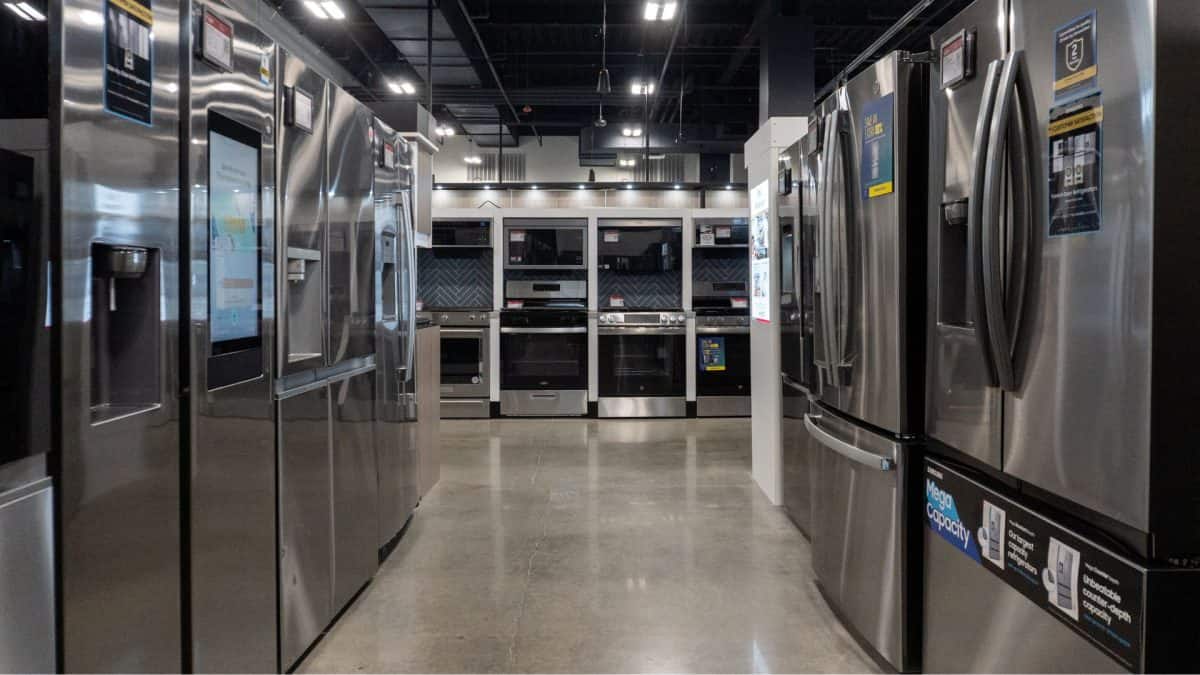
Japan's $9,000 'human refrigerator' cooling pods fight record heatwaves
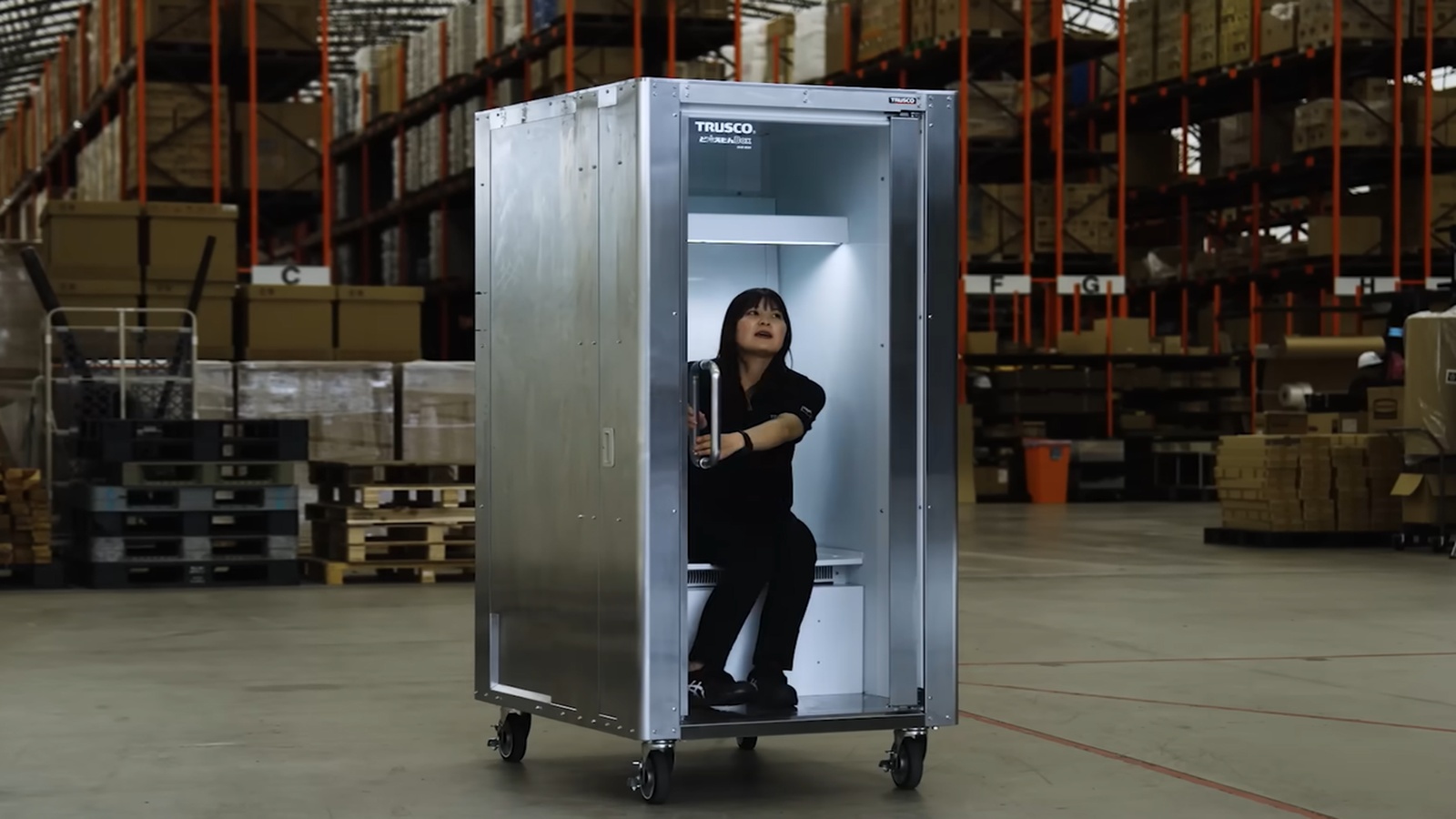
Japan's 'Human Fridge' Cooling Booth Helps Workers Beat Summer Heat

Monthlong AC Test Reveals Delhi-NCR Cooling Costs

Kerala Sisters Build Climate-Responsive Home on Ancestral Land

DNA damage may drive Huntington's disease, opening new treatment path
