1 hr ago
Plague Lab-Leak Rumors Raise Questions About Russian Transparency

There are rumors that plague may have escaped from a laboratory in Irkutsk.
The information available about the situation is unofficial.
The World Health Organization says the risk to ordinary people is low.
The article says there is no evidence linking the institute to bioweapons work.
Russia says its secretive military sites do defensive research.
The article points to Russia’s past chemical-weapons claims and the poisoning of Sergei Skripal as a reason not to accept its statements without question.
But the article also says the lab-leak rumors may be wrong.
It argues that a lack of transparency makes it difficult to know for sure.

Unofficial information about the situation in Irkutsk has prompted speculation that plague may have escaped from a laboratory.
The World Health Organization says the risk to the general population is low.
The article says there is no evidence that the Irkutsk institute is linked to bioweapons activities.
Russia says its secretive military sites conduct defensive research.
The article cites the Skripal poisoning as a reason for skepticism, while acknowledging that the lab-leak rumors may be unfounded.
- Who
- The World Health Organization, Russia, and the institute in Irkutsk are discussed.
- What
- Rumors suggest plague may have escaped from a laboratory, but the article says the claims are unconfirmed.
- Where
- Irkutsk, Russia; the headline places the concern in Siberia.
- When
- Why
- Limited transparency makes it difficult to assess the rumors and Russia’s assurances.
Official assurances
Reasons for skepticism
Public risk
Official assurances
The World Health Organization believes the risk to the general population is low.
Reasons for skepticism
The article says the available information is unofficial and transparency is limited, making the situation difficult to assess.
Military research
Official assurances
Russia says its cloaked military sites conduct defensive research, and the article notes no evidence tying the Irkutsk institute to bioweapons activities.
Reasons for skepticism
The article cites Russia’s earlier chemical-weapons claims and the 2018 poisoning of Sergei Skripal as grounds for caution about taking official assurances at face value.
Possible lab leak
Official assurances
The article acknowledges there may be nothing to the lab-leak rumors.
Reasons for skepticism
The rumors remain difficult to dismiss conclusively because, according to the article, transparency is limited.
Key facts
- Reported concern
- Rumors that plague may have escaped from a laboratory
- Risk assessment
- The World Health Organization believes the risk to the general population is low, based on unofficial information.
- Bioweapons link
- The article says there is no evidence that the Irkutsk institute is linked to bioweapons activities.
- Russia's position
- Russia says its cloaked military sites undertake defensive research.
- Past event cited
- The article refers to the 2018 attempted assassination of Sergei Skripal in Britain with a military-grade nerve poison.
- Uncertainty
- The article says the lab-leak rumors may be unfounded and highlights a lack of transparency.
Sources
Related news

Siberian Lab Worker Dies Amid Suspected Plague, Contacts Monitored
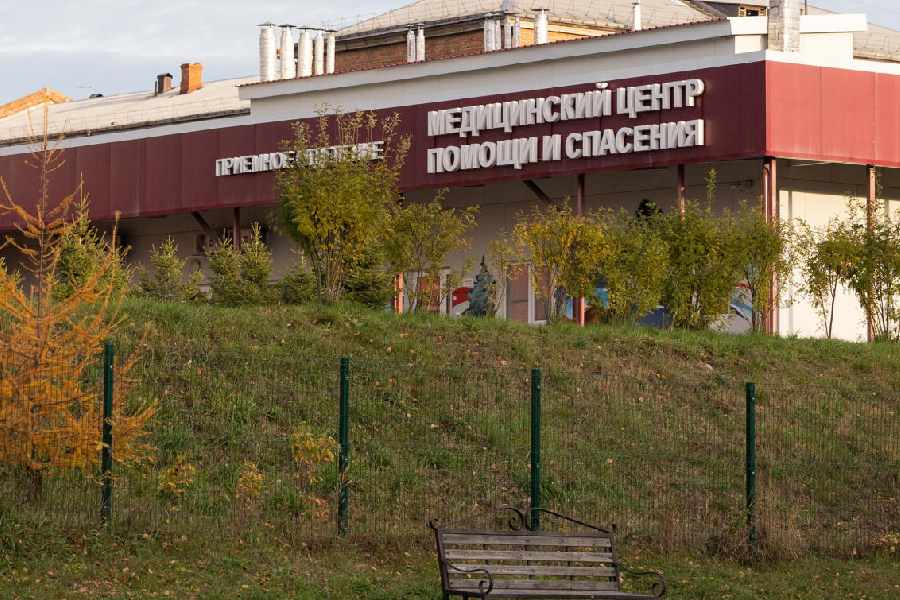
Russia Reports No Plague Cases After Lab Worker’s Death

Irkutsk Residents Shrug as Russian Officials Dispute Plague Reports

Russian Lab Worker’s Death Raises Plague Concerns and Questions
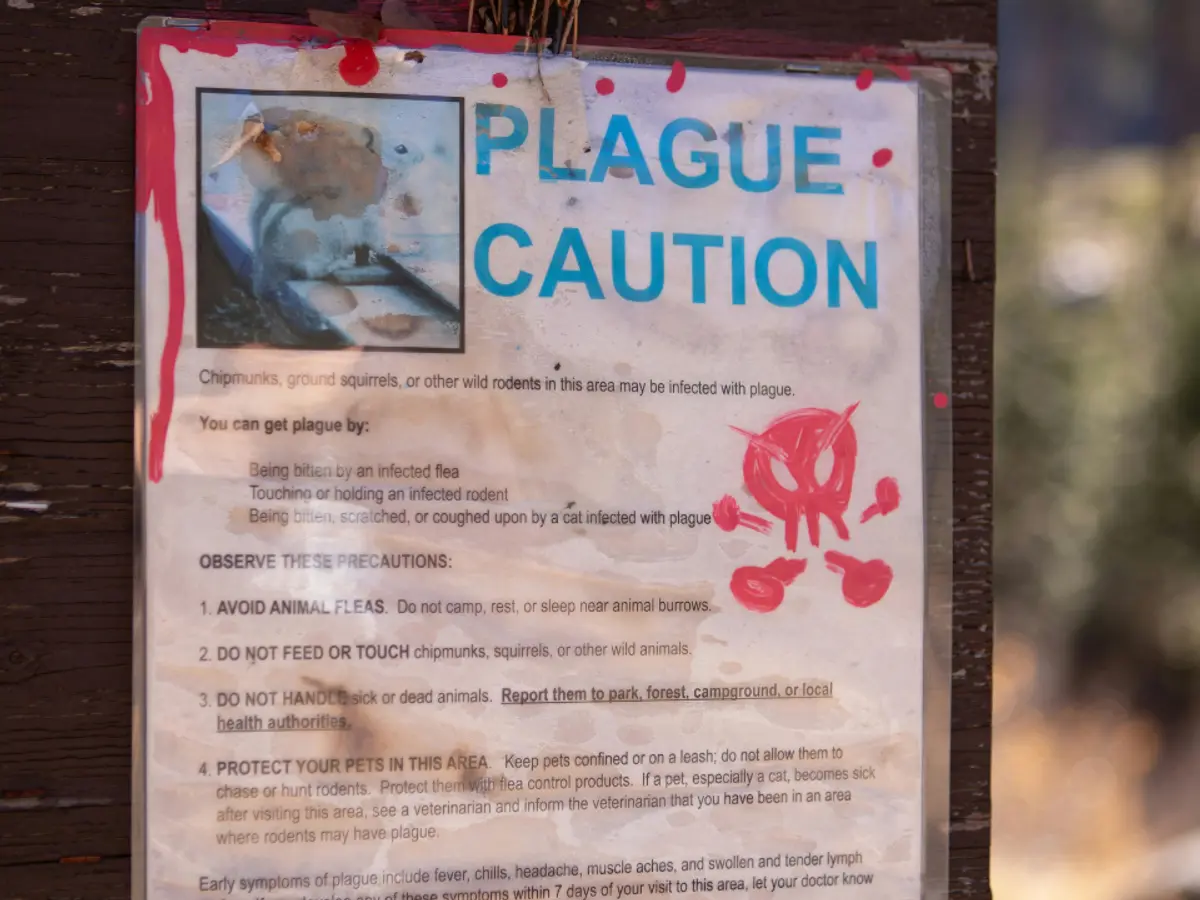
Russia Plague Reports Claim Second Person Has Died

WHO Guidelines Caution Against Obesity Drugs and Surgery for Young Children
WHO Issues First Guidelines for Treating Childhood Obesity

First-Aid Mistakes Can Worsen Emergencies Before Professional Help Arrives

WHO Says Siberia Plague Risk Is Low After Lab Worker’s Death