2 weeks ago
Chief Justice: Judiciary Doesn't Take Sides, Constitution Is Supreme
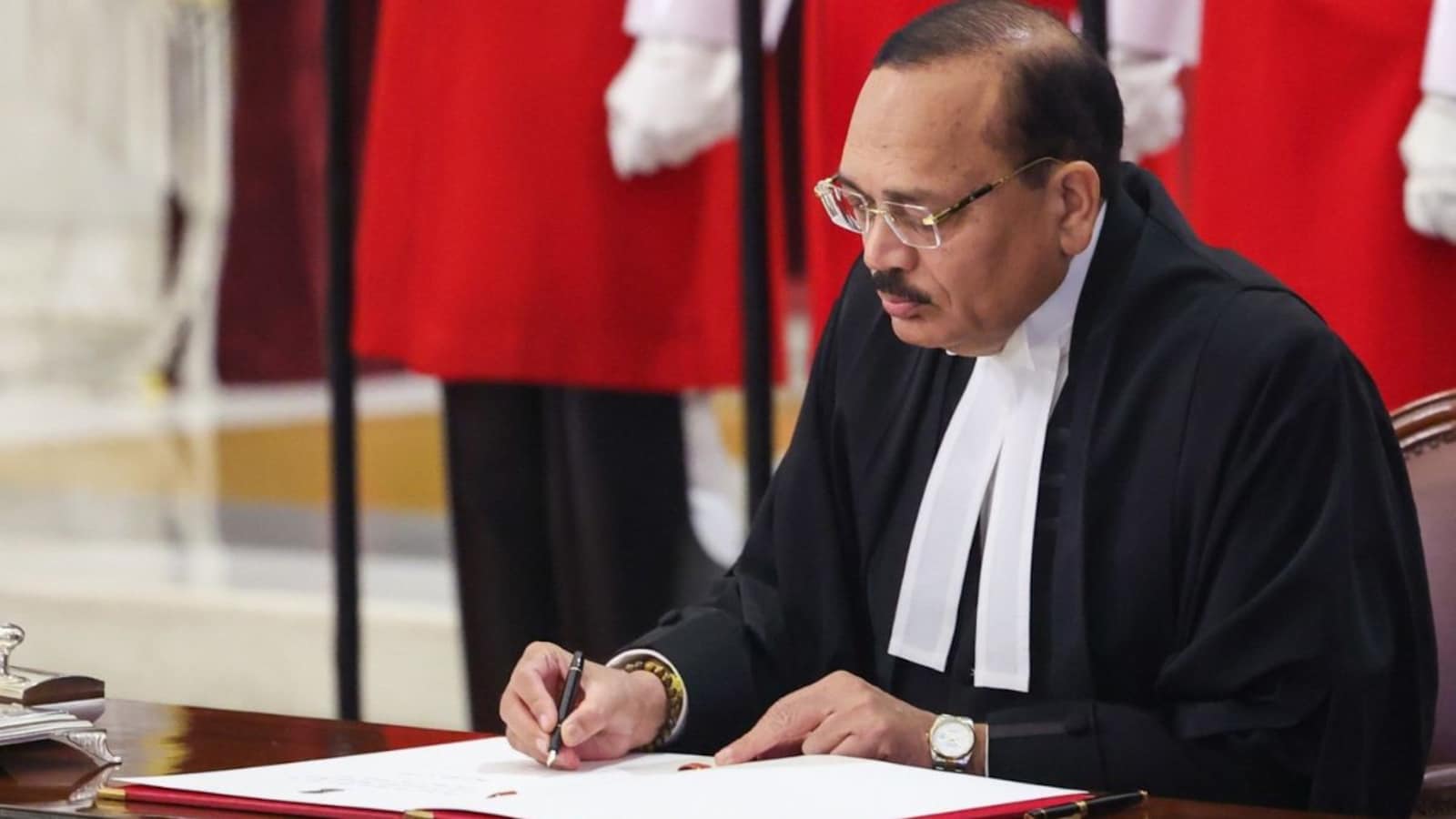
In India, the chief judge of the highest court is called the Chief Justice of India.
Recently, he talked to a news channel called DD News.
He said that judges do not pick sides between people or groups.
He explained that judges must follow the Constitution, which is the most important set of rules in the country.
The Constitution gives everyone important rights, like equality and dignity.
Some people complain when judges help people who are poor or left out.
The Chief Justice said helping these people is part of the judges' job.
When someone files a special case for the public, called a Public Interest Litigation, judges can protect many people at once.
He also said courts are working to clear their big list of waiting cases.
He promised that the important parts of the Constitution will never change.

Chief Justice of India Surya Kant said the judiciary does not take sides and decides based entirely on constitutional values.
He called the Constitution the nation's "greatest power" and said its basic structure cannot be changed.
He defended judicial activism, calling PILs and suo motu cases vital tools that restore rights for socially and economically backward sections.
The CJI outlined docket management measures, including constitutional benches and grouped cases, to reduce pendency in the Supreme Court, High Courts and District Courts.
Surya Kant was elevated to the Supreme Court on May 24, 2019, and sworn in as Chief Justice of India on November 24, 2025.
- Who
- Chief Justice of India Surya Kant
- What
- Affirmed that the judiciary does not take sides and decides based on constitutional values, defended judicial activism as a constitutional duty, and outlined docket management steps to reduce case pendency.
- Where
- India
- When
- Thursday, during an interview with DD News (exact date not stated in the article)
- Why
- To reaffirm the judiciary's role as custodian of the Constitution and address ongoing debates over judicial activism and impartiality.
CJI's position
Critics' position
Judicial activism
CJI's position
Intervention through PILs and suo motu cases is a core constitutional duty that restores rights to marginalized sections who cannot easily approach courts, and should not be perceived otherwise.
Critics' position
Some people label this responsibility 'judicial activism,' implying the judiciary oversteps by acting beyond traditional two-party cases.
Judicial neutrality
CJI's position
The judiciary does not decide for any side or opposition and bases its decisions entirely on constitutional values.
Critics' position
The CJI addressed 'ongoing debates' over judicial impartiality and activism, indicating public questions about whether courts take sides.
Key facts
- Chief Justice of India
- Surya Kant
- Interview outlet
- DD News
- Core message
- Judiciary does not take sides; decides by constitutional values
- Constitution described as
- The greatest power in the nation; supreme
- Judicial activism
- An integral part of the judiciary's legal and constitutional responsibility
- Tools for rights protection
- Public Interest Litigation (PIL) and suo motu cases
- Elevated to Supreme Court
- May 24, 2019
- Sworn in as Chief Justice
- November 24, 2025
Quotes
Chief Justice Surya Kant
Chief Justice of India
“"The greatest power in this country is our Constitution. That is why we have called the Constitution supreme, and the fundamental promises made in the Constitution, which include what we talk about as our primary Fundamental Rights—equality, dignity, rule of law, democratic values, an independent judiciary is included in it."”
 NDTV
NDTV
“"The judiciary does not decide for any side or opposition; it decides by being dedicated to constitutional values and the protection of the Constitution."”
NDTV
Sources
Related news

CJI Surya Kant: Justice Must Travel to the Citizen
CJI Surya Kant says lawyers must keep constitutional promise alive

CJI Surya Kant Praises Justice Sanjay Karol At Farewell

CJI Surya Kant Urges Due Process in Rajasthan Controversy

Access to Justice Begins With Dialogue: CJI Surya Kant
India’s Chief Justice Sets Limits on AI in Courts

PUCL Urges CJI Action Over Rajasthan High Court Allegations

Supreme Court Questions IPS Deputation for CAPF Leadership Positions

Supreme Court Quashes 20-Year Conviction, Reaffirms Juvenile Legal Protections

Two Years After RG Kar Doctor's Rape-Murder, Case Remains Unresolved

ED widens Chhattisgarh probes with two arrests and searches