

1 week ago
Debate Over Kashmiri Girls, Faith, Freedom and India
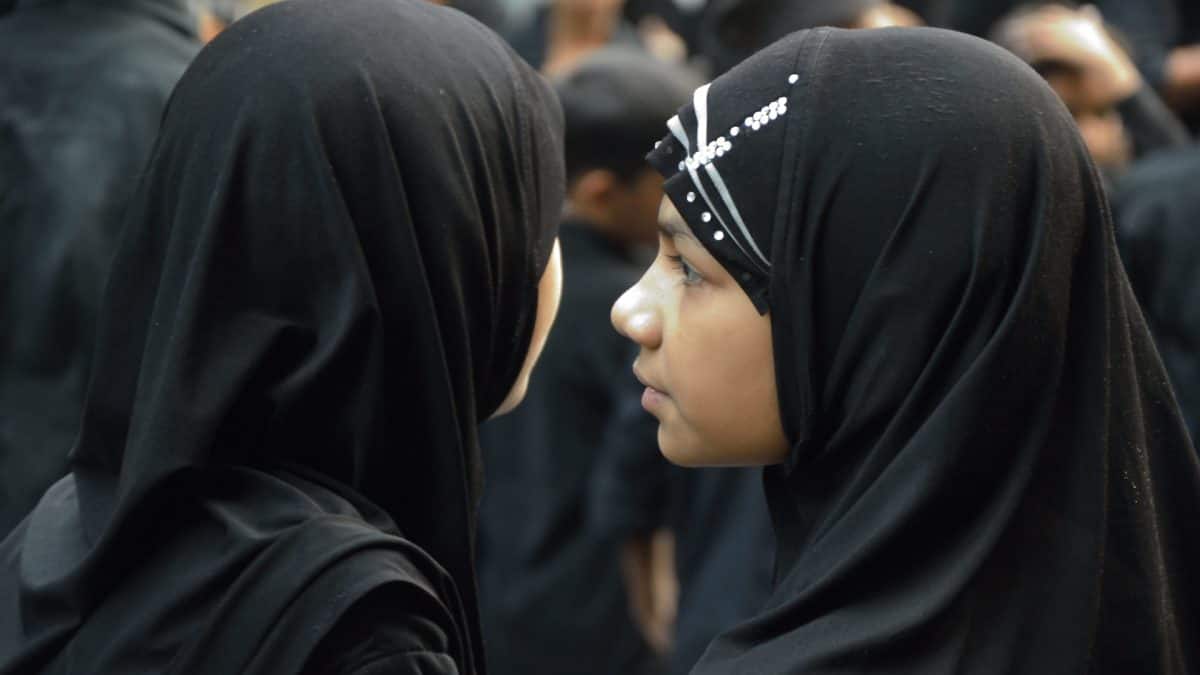
Some Kashmiri schoolgirls danced at an Independence Day event organized by a Waqf Board.
Zaira Wasim questioned whether this was suitable for an institution connected with Islamic values.
The article says a Waqf Board also has educational and welfare responsibilities.
It argues that dancing at a national celebration does not automatically conflict with being Muslim.
The writer is especially concerned that Wasim singled out girls rather than children generally.
Different Muslims may have different opinions about music and dance.
However, the article says one religious interpretation should not control every girl’s choices.
It concludes that Muslim girls should be able to practice their faith and participate openly in India’s public life.

Zaira Wasim questioned a Waqf Board event where Kashmiri schoolgirls danced during an Independence Day celebration.
The article argues that India’s Waqf Boards administer educational and welfare institutions, not simply religious affairs.
It says singling out girls transforms a debate about education into scrutiny of women’s public visibility.
The article acknowledges that Muslims may sincerely oppose dancing on religious grounds, but rejects imposing one interpretation on everyone.
It argues that Kashmiri Muslim girls can participate in national celebrations while remaining fully Muslim and free.
- Who
- Kashmiri schoolgirls, Zaira Wasim, and the J&K Waqf Board are central to the discussion.
- What
- A debate followed schoolgirls’ dance performance at a Waqf Board Independence Day programme.
- Where
- Kashmir, in the Kashmir Valley.
- When
- The performance took place at an Independence Day celebration; the article does not specify the year.
- Why
- Wasim questioned whether the event and the girls’ dancing were consistent with Islamic values, while the author defended their freedom to participate.
Defense of Public Participation
Religious Scrutiny of Cultural Events
Role of the Waqf Board
Defense of Public Participation
The author says a Waqf Board is a statutory institution with educational and welfare responsibilities, so it can participate in an Independence Day event.
Religious Scrutiny of Cultural Events
Wasim questioned whether an institution serving Muslims and upholding Islamic values should facilitate children’s dancing.
Girls’ dancing and agency
Defense of Public Participation
The author argues that singling out girls shifts the debate from educational priorities to controlling female visibility and says agency includes choosing public participation.
Religious Scrutiny of Cultural Events
Wasim’s criticism, as presented by the author, treats dancing by children—particularly girls—as inconsistent with the institution’s responsibility to strengthen them spiritually, morally and intellectually.
Faith and national identity
Defense of Public Participation
The author argues that a Muslim girl celebrating India’s Independence Day does not become less Muslim and need not choose between faith and national belonging.
Religious Scrutiny of Cultural Events
The criticism reflects concern that cultural activities organized by Muslim institutions should remain consistent with Islamic values, although the article acknowledges that Muslims hold differing theological views.
Key facts
- Event
- Kashmiri schoolgirls performed a dance at an Independence Day celebration.
- Organizer
- The programme was associated with the J&K Waqf Board.
- Criticism
- Zaira Wasim questioned why a Muslim institution would facilitate dancing, particularly by girls.
- Waqf Board role
- The article describes Indian Waqf Boards as statutory bodies managing waqf properties and institutions with religious, educational and welfare functions.
- Core issue
- Whether Muslim girls’ participation in public cultural and national events should be judged by institutional religious standards.
- Religious debate
- The article notes longstanding disagreements in Islamic jurisprudence over music, dance, gender interaction and public entertainment.
- Author’s conclusion
- Muslim girls can observe their faith and participate openly in India’s public life without becoming less Muslim.
Sources
Related news

Zaira Wasim questions Waqf Board over girls' Independence Day dance
Kerala Leaders Condemn Scholar’s Remarks Restricting Women’s Public Roles
Kerala Cleric’s Remarks on Women Draw Cross-Party Backlash

NDA Leaders Challenge Owaisi’s Hijab Criticism Over School Dress Code
