

2 hrs ago
Deepinder Goyal Details Temple Wearable Ahead of Pre-Orders
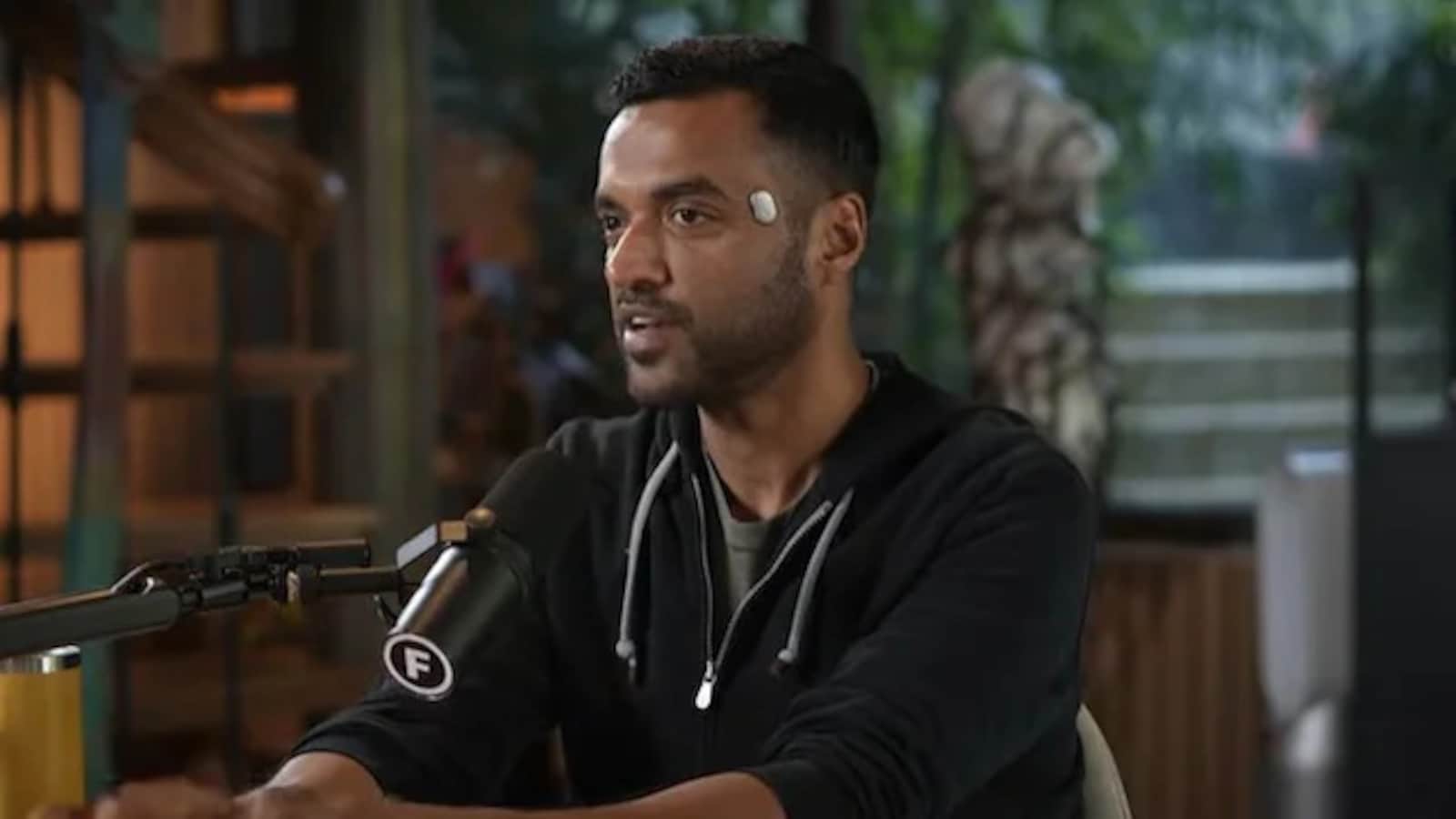
Temple is a small wearable that sticks near the side of a person’s head.
Its makers say it measures signals linked to blood flow near the brain.
It also shows a changing score called Entropy, which Deepinder Goyal says responds to things like sleep, stress, exercise and caffeine.
The device is attached with a disposable sticky piece called a Grip.
Goyal says people can wear it while exercising, showering and swimming, but not scuba diving.
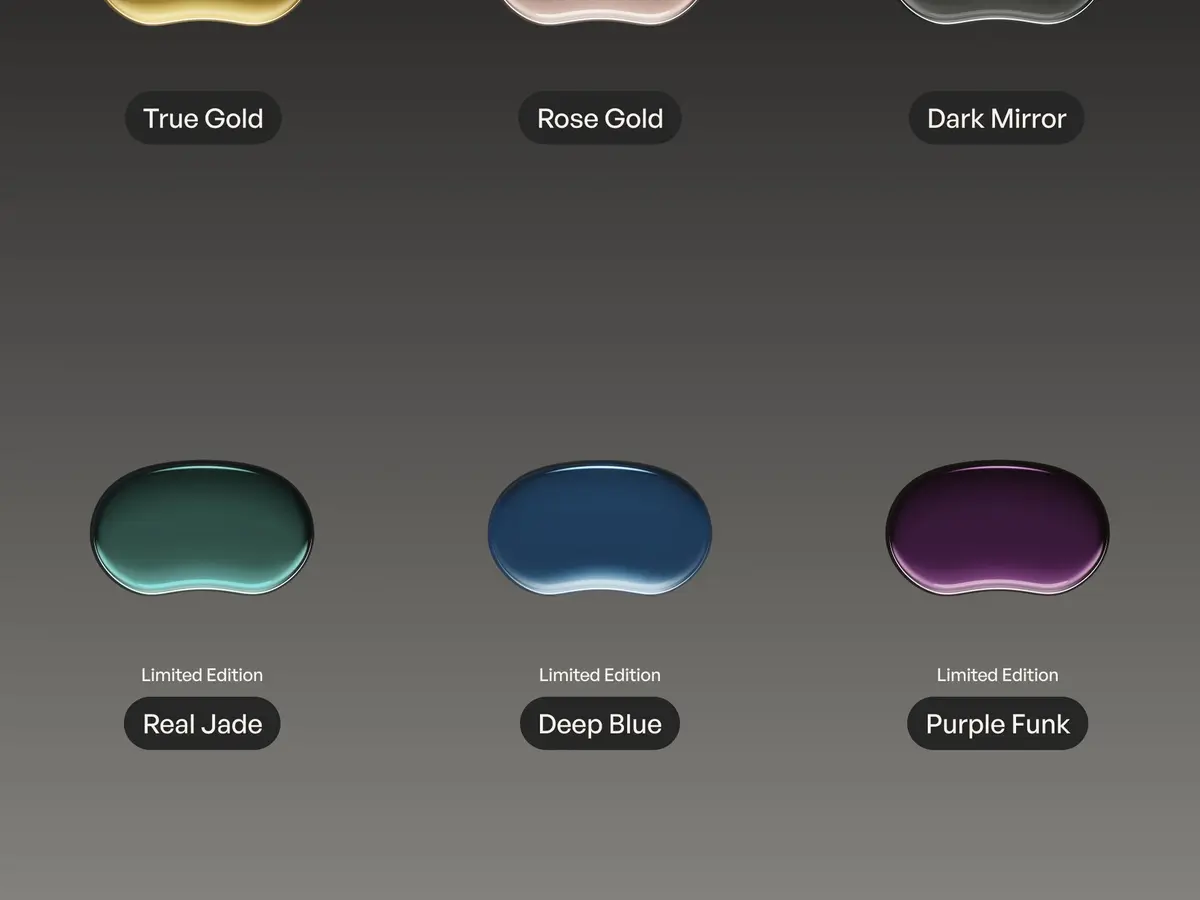
The launch version is expected in six colours, and pre-orders may start soon.
A doctor says the numbers should not be used to decide whether someone has a brain disease.
People with health concerns should seek advice from a qualified doctor.

Temple is designed to attach near the temple and track signals related to brain blood-flow changes using its BrainFlow system.
It uses single-use adhesive Grips; Goyal says it can be worn during exercise, showering and swimming, but not scuba diving.
Temple also reports an Entropy score, updated every second on a scale of 1 to 250, which Goyal says reflects the body's “cost of being alive.”
The launch edition is planned in six colours, and pre-orders could open as early as next week, with waitlist members receiving priority.
A physician cautioned that Temple readings are not a medical diagnosis or a substitute for neurological evaluation and established tests.
- Who
- Deepinder Goyal, founder of Zomato and Eternal, has shared details about the Temple wearable; Dr Pallav Mishra provided a medical caution.
- What
- Temple is a wearable intended to track signals associated with brain blood-flow changes and an Entropy metric.
- Where
- The device is worn on the skin near the temple.
- When
- Goyal said pre-orders could open as early as next week; his colour announcement was dated October 1, 2026.
- Why
- It is intended to monitor changes related to brain blood flow and explore how factors such as posture, movement and daily activity affect the measurements.
Potential of Temple
Limits and cautions
Interpreting brain blood-flow signals
Potential of Temple
Goyal describes BrainFlow as a way to continuously monitor brain blood-flow-related changes in everyday conditions; the technology has attracted attention for exploring a new area beyond typical wrist wearables.
Limits and cautions
Dr Pallav Mishra cautions that measuring a physiological signal does not establish that it can diagnose disease. Questions remain about clinical utility, independent validation and whether a measurement from one external location represents blood flow throughout the brain.
Use as a health tool
Potential of Temple
The device is intended to provide ongoing measurements and an Entropy score that Goyal says can vary with sleep, stress, exercise, caffeine and other factors.
Limits and cautions
Mishra says consumers should not treat its numbers as a medical diagnosis or substitute them for a neurological examination, MRI, CT or other established investigations.
Key facts
- Device
- Temple, an experimental health wearable
- Sensing system
- BrainFlow, described as using light-based sensing around the temple
- Attachment
- Single-use adhesive Grips; the company recommends replacing them every two to three days
- Entropy scale
- 1 to 250, updated every second, according to Goyal
- Launch colours
- True Gold, Rose Gold, Black Mirror, Real Jade, Deep Blue and Purple Funk
- Pre-orders
- Could open as early as next week; early-access waitlist members are expected to receive priority
- Medical caution
- A wearable reading is not a diagnosis or replacement for neurological examinations or established imaging tests
Quotes
Dr Pallav Mishra
Director of Internal Medicine at ShardaCare - Healthcity.
“Six colors for the launch edition of temple. Pre-orders open soon - hopefully next week; just need certainty on a couple more items. Folks on early access waitlist get priority access.”
 NDTV
NDTV
“Consumers should not interpret the numbers generated by a wearable as a medical diagnosis.”
NDTV
Sources
Related news

Deepinder Goyal Answers Questions About Temple Wearable
Temple Reveals Six Launch Colours as Pre-Orders May Open Next Week

Deepinder Goyal Says Temple Could Assess Pilot Fitness

Temple Wearable Shows Early Brain-Flow Validation Signals

Temple Signal May Track Brain Blood Flow Beyond Heart Rate
Huawei Launches Watch D3 With Inflatable Blood Pressure Cuff

Couple Accused of Assaulting Zomato Worker Over Late Delivery

Karnataka Gig-Worker Scheme Faces Test as Unions Seek Benefits
