

3 weeks ago
US approves 5,250 Patriot missile sales to four Gulf nations
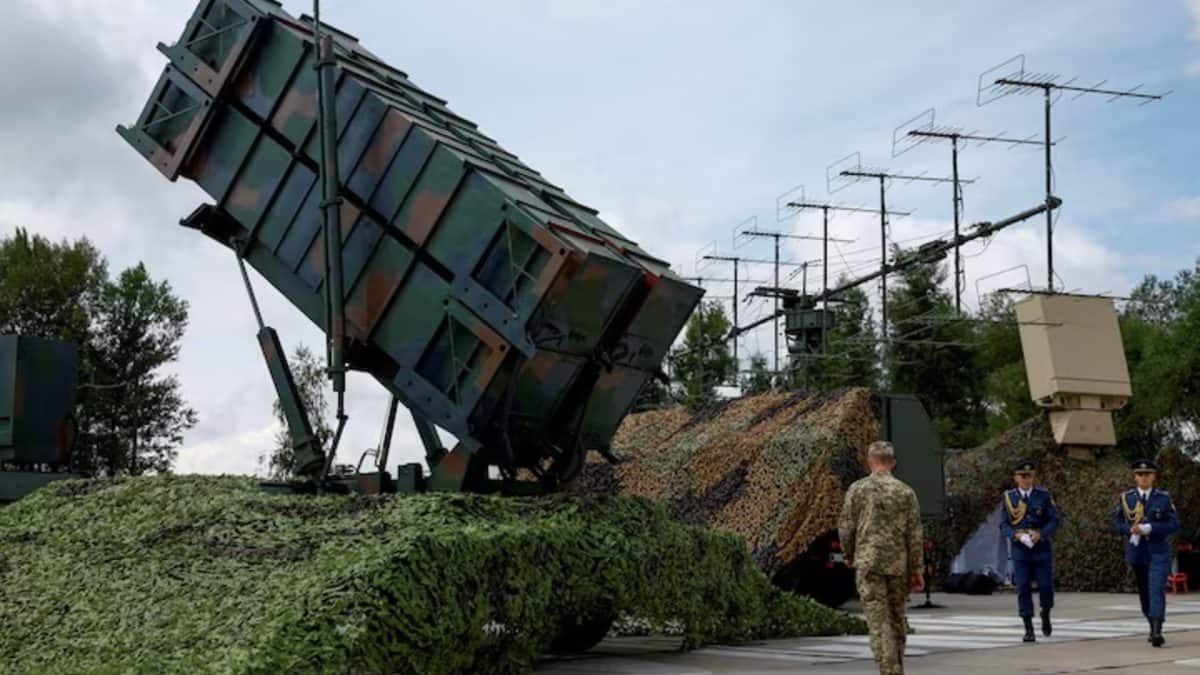
The United States has said yes to selling 5,250 Patriot missiles to four countries in the Middle East: Bahrain, Kuwait, Qatar, and the United Arab Emirates.
These missiles are part of a famous air-defense system that protects against rockets, planes, and other threats.
The US wants these countries to have large stockpiles of the missiles.
This is happening because tensions are high in West Asia and the world is running low on these weapons.
The US is also talking about letting Ukraine build some of these missiles, but President Donald Trump says he has not approved that yet.
Ukraine needs the missiles to defend against Russian ballistic missile attacks.
The US Army recently gave Lockheed Martin a big contract worth up to $58.6 billion to make more of these interceptors.
A single Patriot battery can cost over one billion dollars.
This shows how important and expensive missile defense systems have become.

The United States has approved the sale of 5,250 Patriot missile interceptors to Bahrain, Kuwait, Qatar, and the United Arab Emirates to build their stockpiles.
The approval comes amid growing tensions in West Asia and as worldwide supplies of the weapon system are being depleted.
The US is pressing ahead with talks on allowing Ukraine to build Patriot interceptor missiles, though President Donald Trump says he has not approved such a deal as of yet.
Last month, the US Army awarded Lockheed Martin a contract worth up to $58.6 billion to produce Patriot interceptor missiles.
Lockheed introduced a new PAC-3 Adaptive Capability Effector (ACE) interceptor in July that it says will cost half as much while targeting short-range ballistic missiles, aircraft, and cruise missiles.
- Who
- The United States government, the buyer countries Bahrain, Kuwait, Qatar, and the United Arab Emirates, arms maker Lockheed Martin, President Donald Trump, and Ukraine.
- What
- US approval of the sale of 5,250 Patriot missile interceptors to four Gulf states to build their stockpiles, plus ongoing talks about Ukraine producing the missiles.
- Where
- The United States; the buyer countries in West Asia (Bahrain, Kuwait, Qatar, and the United Arab Emirates); and Europe, where Ukrainian components could be assembled.
- When
- Reported recently amid rising tensions; the Lockheed Martin production contract was awarded last month, and the new PAC-3 ACE interceptor was introduced in July.
- Why
- To build the Gulf countries' stockpiles amid growing tensions in West Asia and worldwide depletion of Patriot supplies, while Ukraine urgently seeks interceptors against Russian missile strikes.
Prioritize Ukraine's Defense
Reinforce Gulf Allies
Where should limited Patriot supplies go?
Prioritize Ukraine's Defense
With worldwide supplies depleted, the US should prioritise Ukraine's urgent need for Patriot interceptors to defend against nightly Russian ballistic missile strikes.
Reinforce Gulf Allies
Selling 5,250 interceptors to Bahrain, Kuwait, Qatar, and the UAE strengthens key Gulf allies and builds their stockpiles amid growing tensions in West Asia.
Should Ukraine produce Patriots?
Prioritize Ukraine's Defense
The US should proceed with talks to let Ukraine build Patriot components for final assembly in Europe, easing the global shortage of interceptors.
Reinforce Gulf Allies
President Donald Trump has not approved such a deal as of now, signalling caution about allowing Ukraine to make the interceptor missiles.
Key facts
- Interceptors approved for sale
- 5,250 Patriot missile interceptors
- Buyer countries
- Bahrain, Kuwait, Qatar, United Arab Emirates
- US Army contract with Lockheed Martin
- Up to $58.6 billion to produce Patriot interceptor missiles
- Cost per PAC-3 interceptor
- Around $4 million to $5 million per missile
- Cost of a new Patriot battery
- Over $1 billion, including $400 million for the system (per CSIS)
- Radar capability
- Range over 150 km; can track up to 100 targets (per NATO, 2015)
- New interceptor type
- PAC-3 Adapted Capability Effector (ACE), about half the cost
- Patriot system debut
- First used in the 1991 Gulf War
Sources
Related news
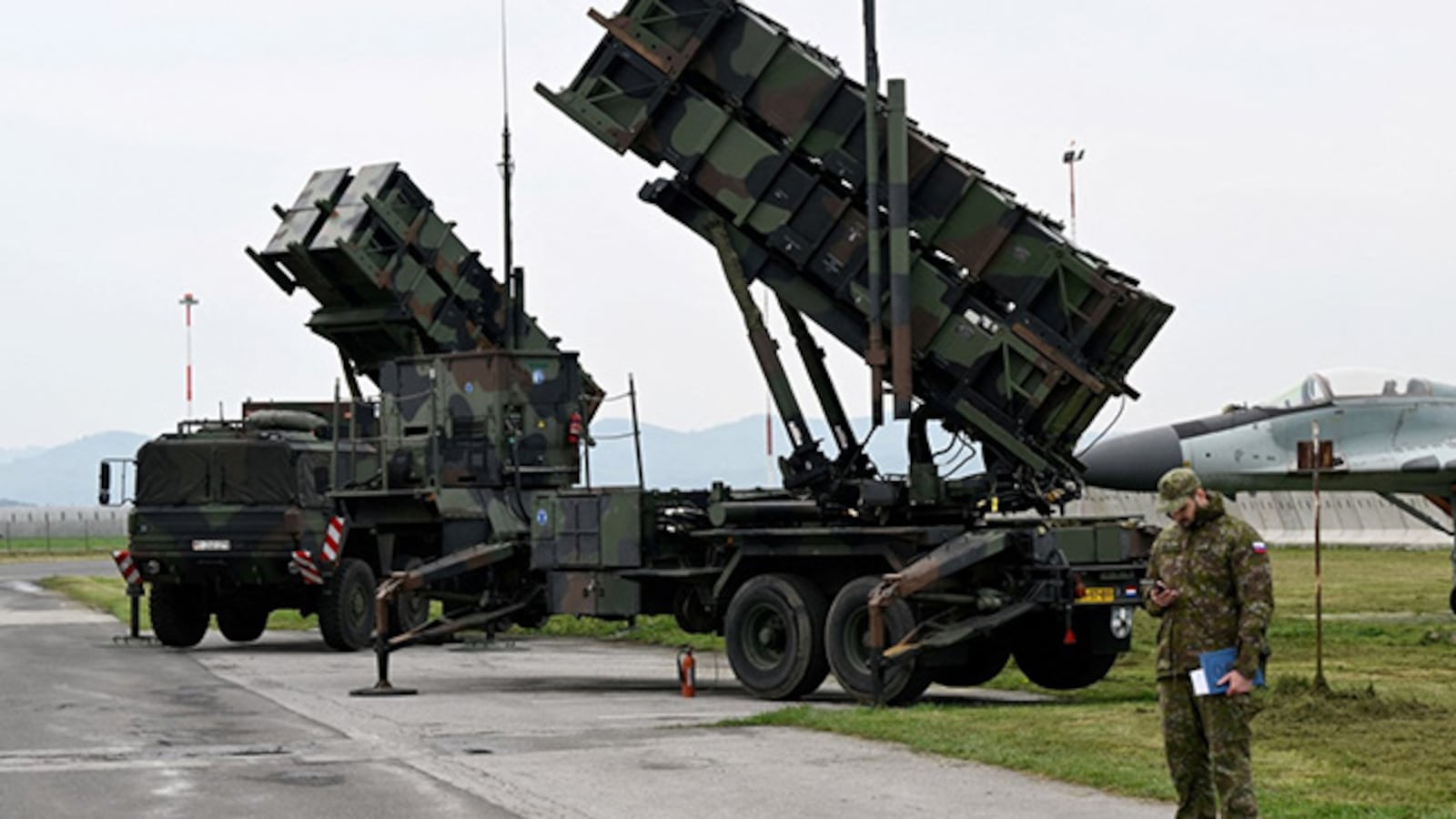
Patriot Missile System Supplies Dwindle as Global Demand Spikes
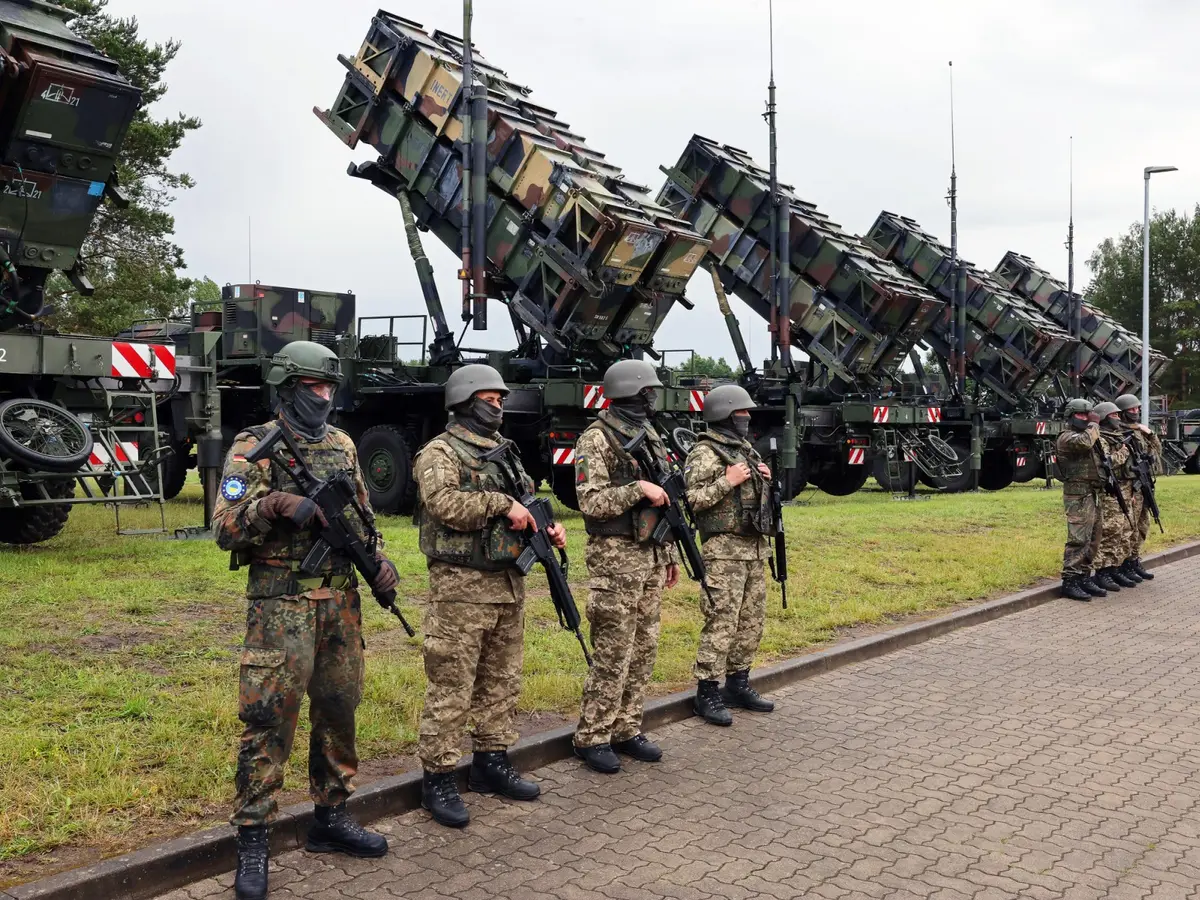
Iran War Drains Patriot Stocks, Raising NATO Defense Concerns

Ukraine and US agree monthly deliveries of Patriot interceptor missiles
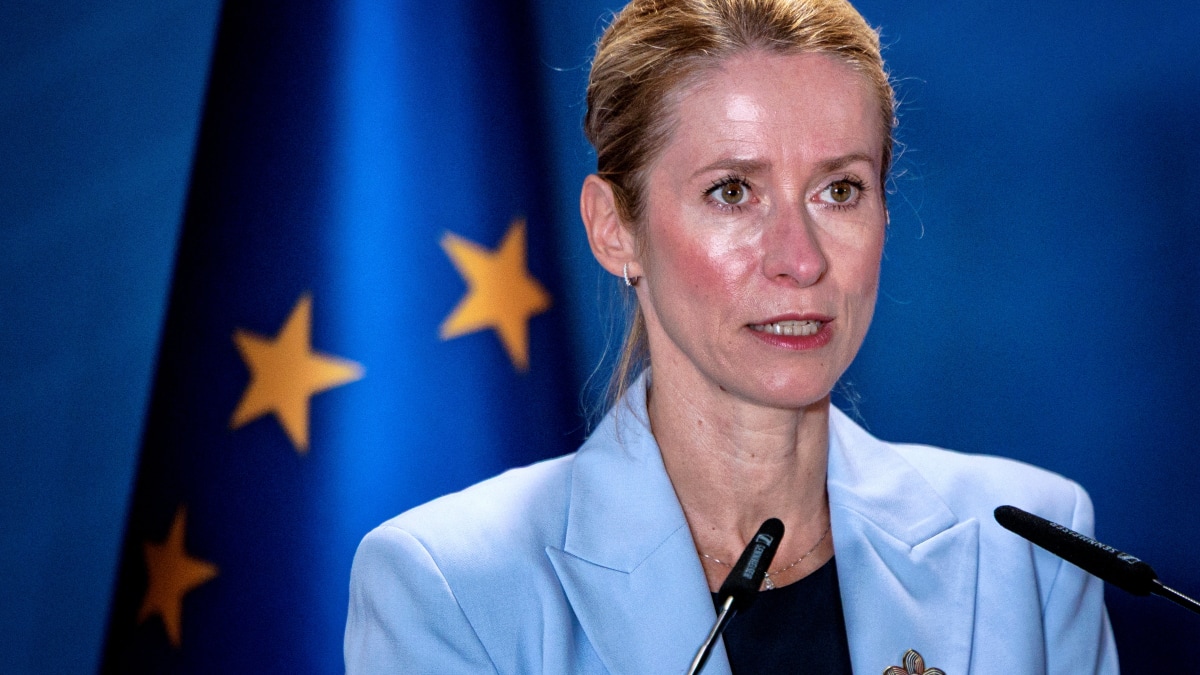
Kallas Urges Expiring Air Defence Interceptors Be Sent Ukraine

Patriot Co-Producer Subhash George Booked in Crypto Fraud Case

Hi Box Office Growth Contrasts With Toxic’s Day Two Drop
Western Officials Say Russia’s Ukraine War Losses Exceed Recruitment
