

3 weeks ago
Patriot Missile System Supplies Dwindle as Global Demand Spikes
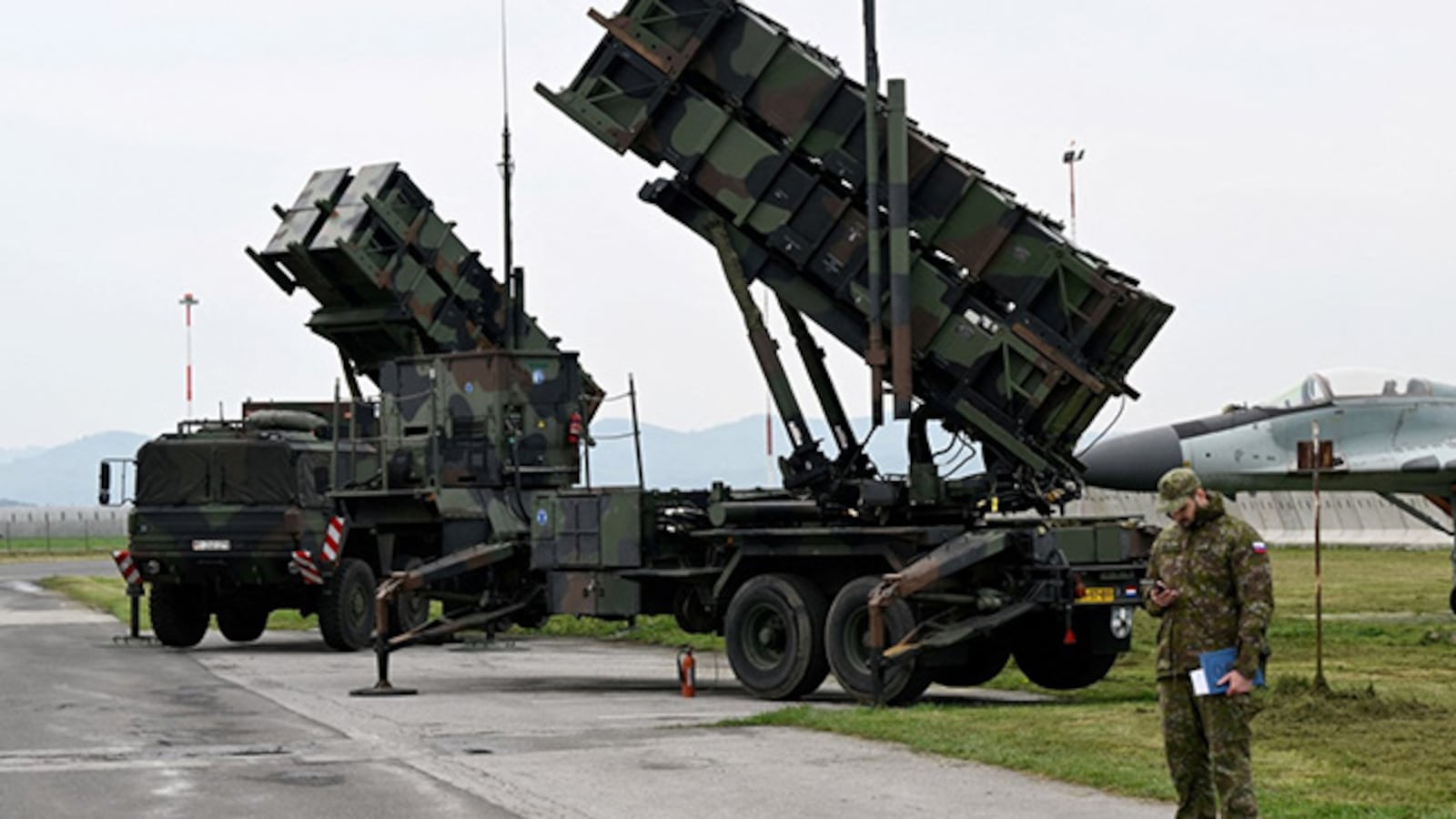
The Patriot is a special military machine called an air defense system.
It is like a smart shield that protects people on the ground from dangerous things flying in the sky, like rockets and missiles.
It was first used in a war in 1991 and is built by American companies called Raytheon and Lockheed Martin.
Right now, many countries need Patriots because there are two big conflicts happening in the world.
Ukraine uses them to defend against Russian missile attacks at night, and the Middle East war has used up many missiles too.
The missiles that the Patriot fires are called interceptors, and they are running low in the US and other countries.
Some European countries are saving their missiles in case they need them for their own protection.
To fix this, the US is making more missiles and selling them to countries like Bahrain, Kuwait, Qatar and the UAE.
One Patriot battery costs over one billion dollars, and each interceptor missile costs about four to five million dollars.
That is why these missiles are seen as so valuable and are in short supply.

The US Patriot air defense system, first used in the 1991 Gulf War, has seen demand spike sharply this year.
Interceptor missile supplies have been depleted by Ukraine's war with Russia and the widening war in the Middle East.
CSIS estimates about 65 percent of US Patriot interceptors were expended between February and July, leaving fewer than 850 on hand.
Saudi Arabia used about 86 percent of its 2,800 PAC-3 interceptors in the first 38 days of combat, leaving it with 400 missiles in April.
The US approved the sale of 5,250 interceptors to Bahrain, Kuwait, Qatar and the UAE, and awarded Lockheed Martin a contract worth up to $58.6 billion.
- Who
- The US, Ukraine and 19 other countries that operate the Patriot system, along with manufacturers Raytheon Technologies and Lockheed Martin.
- What
- The dwindling supply of Patriot interceptor missiles amid sharply rising global demand.
- Where
- The US, Ukraine, Gulf states such as Saudi Arabia and Qatar, and several European countries.
- When
- Demand spiked this year; CSIS estimates 65 percent of US interceptors were expended between February and July.
- Why
- Ukraine's war against the Russian invasion and the widening war in the Middle East have drained arsenals.
Backers of Sending More Patriots to Ukraine
Advocates of Preserving National Stockpiles
Sharing Patriot interceptors with Ukraine
Backers of Sending More Patriots to Ukraine
Ukraine urgently needs more Patriot interceptors to defend against a nightly barrage of Russian ballistic missile strikes.
Advocates of Preserving National Stockpiles
Some European countries are holding onto missiles they may need for their own defense rather than transferring them.
Ukraine producing Patriot missiles
Backers of Sending More Patriots to Ukraine
The US is pressing ahead with talks, including an option for Ukraine to build components for final assembly elsewhere in Europe.
Advocates of Preserving National Stockpiles
President Donald Trump has cast doubt on such a deal, and US and Gulf inventories remain severely depleted.
Key facts
- System
- Patriot (Phased Array Tracking Radar for Intercept on Target), a mobile surface-to-air missile defense system
- Manufacturers
- Raytheon Technologies (PAC-2 GEM-T) and Lockheed Martin (PAC-3 MSE)
- Countries operating
- 19, including the US, Germany, Poland, Ukraine, Japan, Qatar, Saudi Arabia and Egypt
- US interceptors on hand
- Fewer than 850, down from 2,330 before the Iran war began (CSIS estimate)
- Saudi Arabia stock
- About 400 PAC-3 interceptors left in April after using 86 percent of its 2,800 in 38 days
- Cost per battery
- Over $1 billion, including $400 million for the system and $690 million for missiles (CSIS)
- New sales approved
- 5,250 interceptors to Bahrain, Kuwait, Qatar and the United Arab Emirates
- US Army contract
- Up to $58.6 billion to Lockheed Martin for Patriot interceptor missile production
Sources
Related news
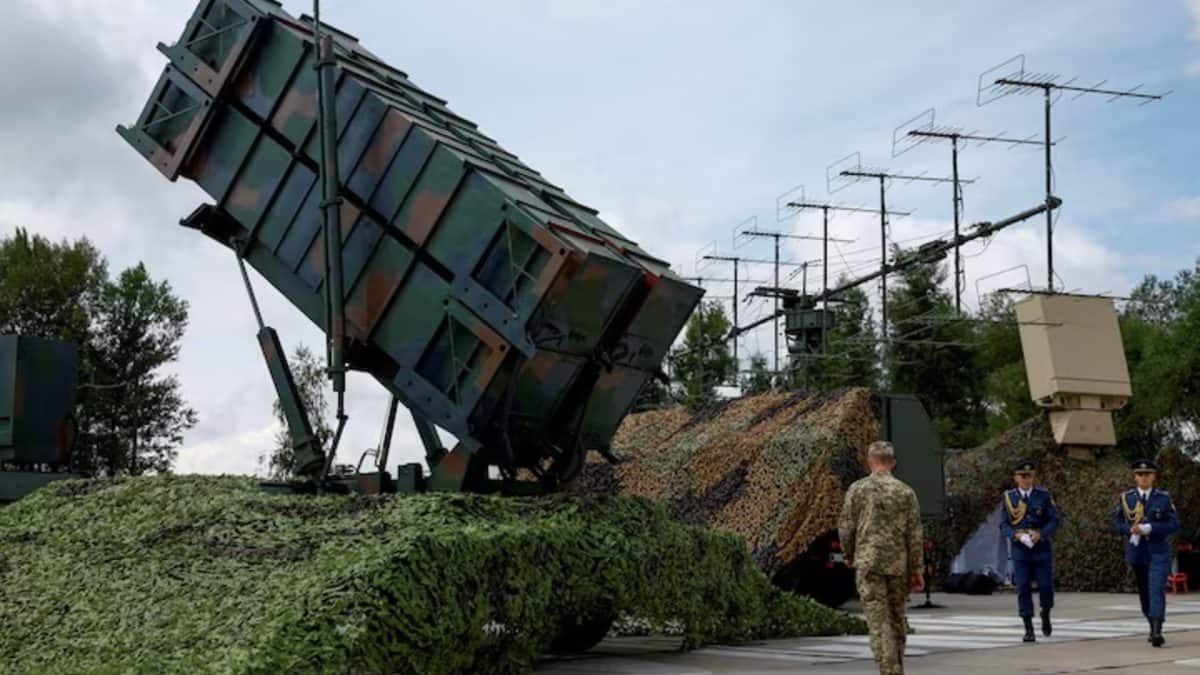
US approves 5,250 Patriot missile sales to four Gulf nations
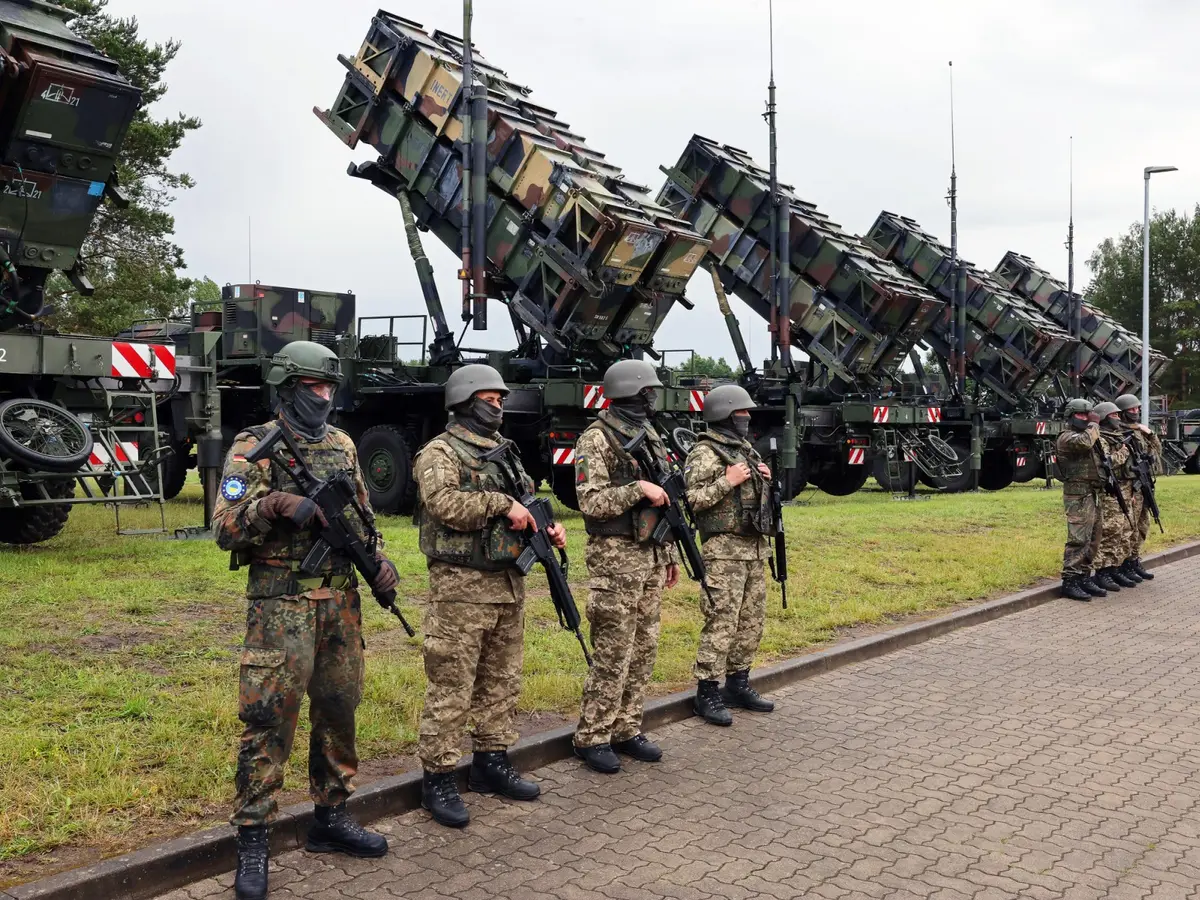
Iran War Drains Patriot Stocks, Raising NATO Defense Concerns

Iran War Depletes US THAAD, Patriot Interceptors; Pentagon Denies

Ukraine Has Patriots But No Missiles Amid Global Interceptor Crisis

Kallas Urges Expiring Air Defence Interceptors Be Sent Ukraine

Patriot Co-Producer Subhash George Booked in Crypto Fraud Case

Hi Box Office Growth Contrasts With Toxic’s Day Two Drop
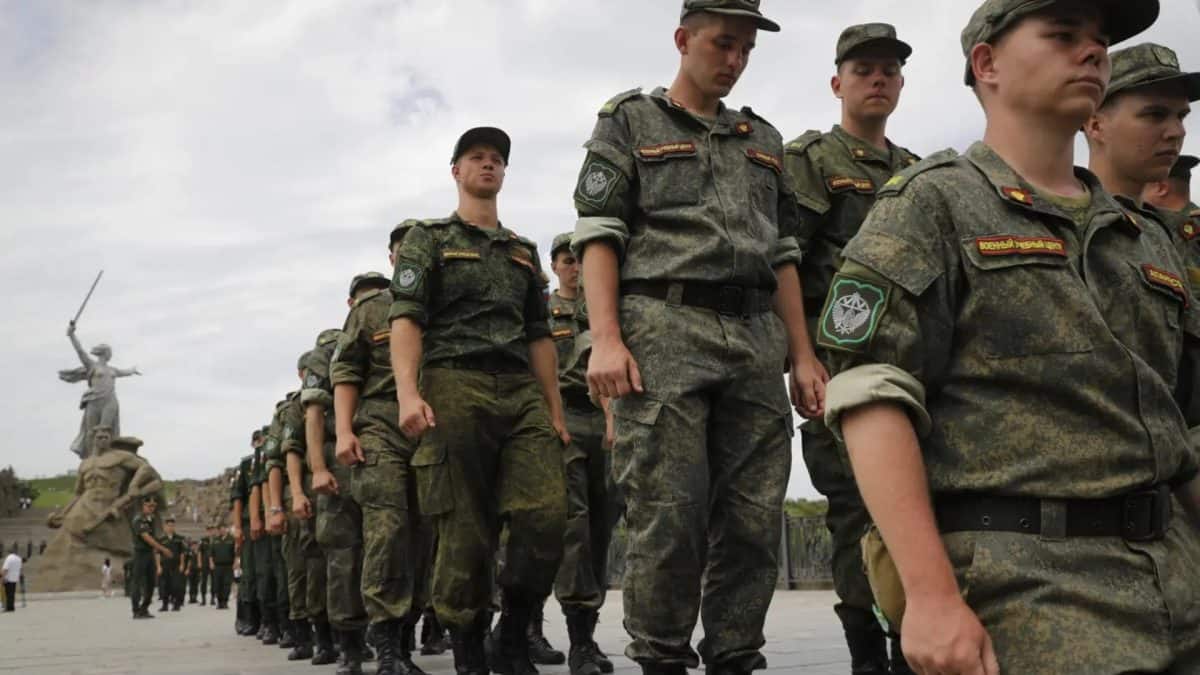
Western Officials Say Russia’s Ukraine War Losses Exceed Recruitment
