

3 hrs ago
Canada Explores EU Associate Membership Amid US Trade Dispute
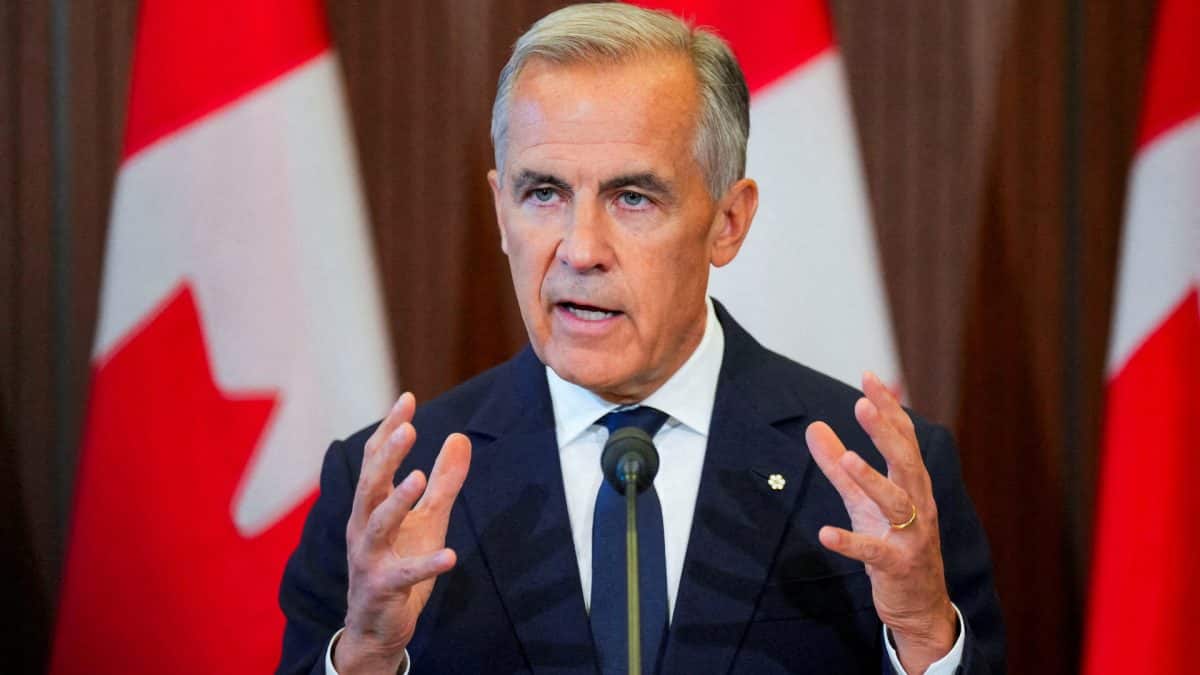
Canada’s Prime Minister Mark Carney wants to build closer connections with the European Union.
He is exploring a new type of relationship called associate membership.
This would be different from becoming a full member of the EU.
Canada and the EU are discussing easier movement for some goods, services and workers.
They are focusing on areas such as energy, artificial intelligence, defence and critical minerals.
They are also discussing technology projects and ways to send Canadian energy to Europe.
Carney has spoken with European leaders, including French President Emmanuel Macron, about Canadians possibly living and working in the EU without visas.
Canada’s disagreement with the United States has made these European connections more important.
The plan may be difficult because several EU countries have not yet approved an existing Canada-EU trade agreement.

Prime Minister Mark Carney is exploring whether Canada could become an associate member of the European Union, according to The Wall Street Journal.
The EU is reportedly open to creating a new associate-membership status, although its rules and details have not been established.
Canada and the EU are discussing freer movement of goods, services and workers in energy, artificial intelligence, defence and critical minerals.
The talks also cover underwater cables, data centres, cloud storage, satellite networks and infrastructure for shipping Canadian energy to Europe.
Canada’s worsening trade dispute with the United States is driving efforts to strengthen economic and strategic ties with other partners.
- Who
- Canadian Prime Minister Mark Carney, the Canadian government and the European Union are involved; French President Emmanuel Macron has also discussed the idea with Carney.
- What
- Canada is exploring an associate-membership relationship with the European Union and deeper cooperation on trade, mobility, technology, energy and infrastructure.
- Where
- The discussions concern Canada and the European Union, including EU institutions and member states.
- When
- The Wall Street Journal reported the discussions on Sunday; Carney and Macron are expected to meet later this month.
- Why
- Canada’s escalating trade dispute and deteriorating relations with the United States have increased the incentive to develop stronger ties with other partners.
Arguments for closer Canada-EU ties
Concerns about feasibility
Strategic diversification
Arguments for closer Canada-EU ties
Closer ties could help Canada strengthen relationships with alternative economic and strategic partners as its dispute with the United States worsens.
Concerns about feasibility
The proposal is ambitious, and the existing Canada-EU trade agreement has faced lengthy delays in securing approval from all EU countries.
Economic and worker mobility
Arguments for closer Canada-EU ties
Supporters are discussing freer movement for selected goods, services and workers, as well as possible visa-free living and working for Canadians in the EU.
Concerns about feasibility
Associate membership does not yet exist, and the reports do not say that broader market access or visa-free mobility has been agreed.
Political support
Arguments for closer Canada-EU ties
Unnamed Canadian and EU officials reportedly said the EU is open to creating an associate-membership arrangement, while Carney has discussed the idea with European leaders.
Concerns about feasibility
Important details remain unsettled, and the Canadian embassy in Brussels, the European Commission and Macron’s press office did not respond to requests for comment.
Key facts
- Proposed status
- A possible European Union associate-membership status that has not yet been created.
- Reported source
- The Wall Street Journal, citing unnamed Canadian and EU officials.
- Strategic sectors
- Energy, artificial intelligence, defence and critical minerals.
- Possible mobility arrangement
- Officials are discussing whether Canadians could live and work in the EU without visas.
- Infrastructure cooperation
- The talks include underwater cables, data centres, cloud storage, satellite networks and infrastructure for shipping Canadian energy to Europe.
- Ratification obstacle
- Several EU member states have not ratified the existing Canada-EU trade agreement, more than a decade after it was signed.
- US trade dispute
- Trade disagreements have led to tariffs covering tens of billions of dollars in cross-border commerce.
Sources
Related news
Carney to Address EU Allies as Trump Trade Tensions Escalate
Canada and India Rebuild Ties Through Trade, Security Cooperation
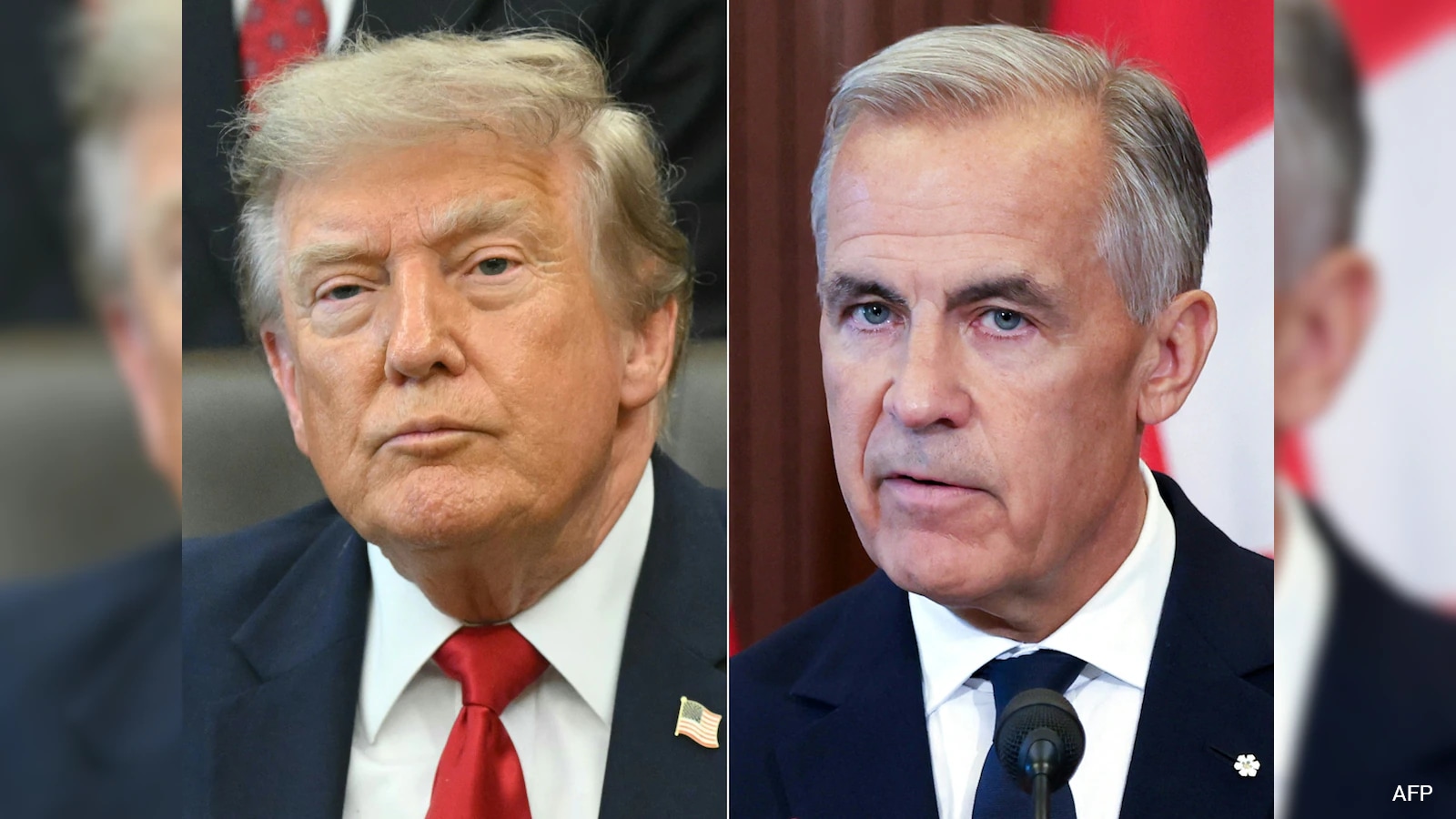
US-Canada Trade War Fundamentally Reshapes Once-Durable North American Alliance
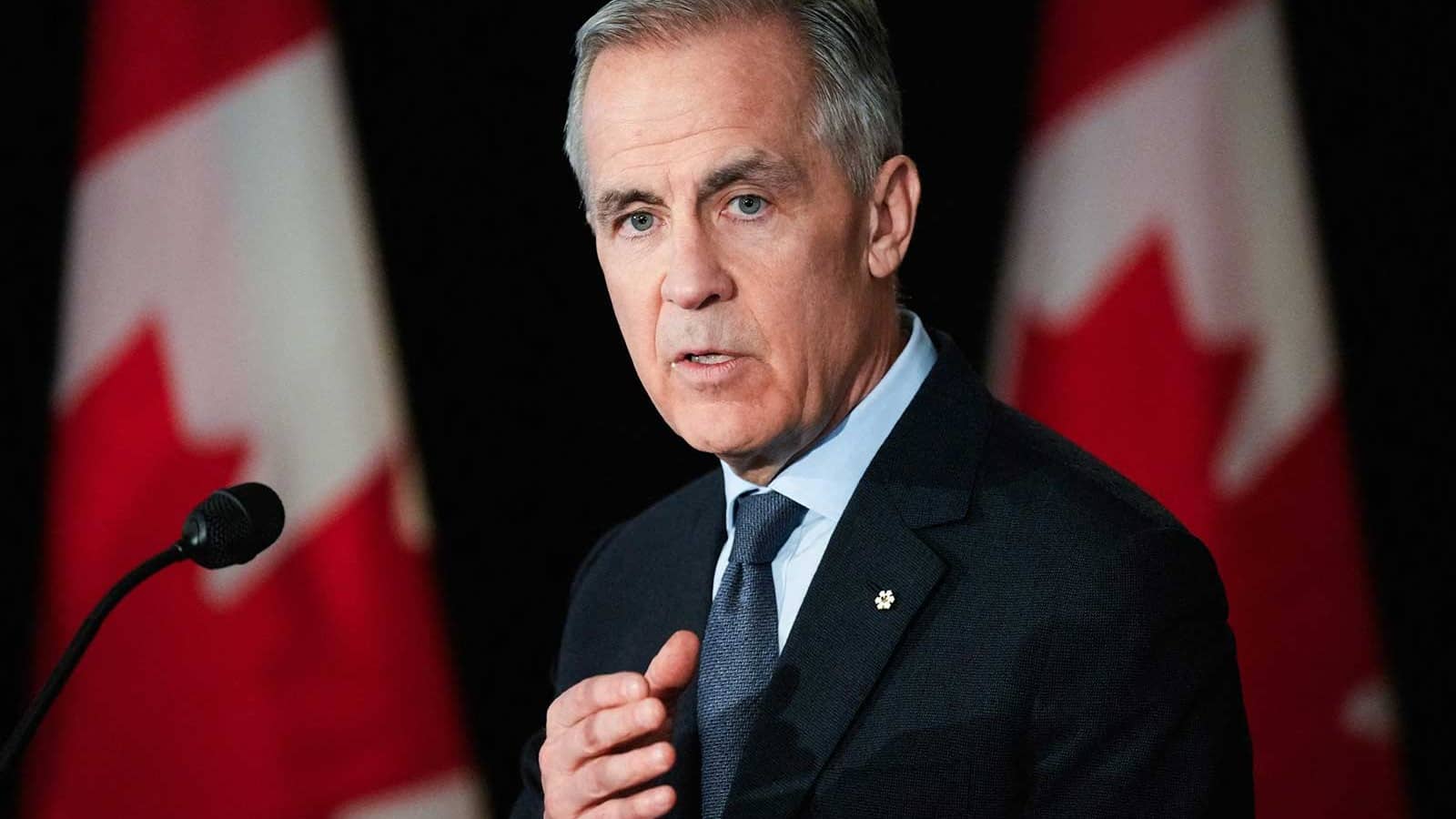
Carney Says Canada Ready for Durable, Mutual US Trade Deal
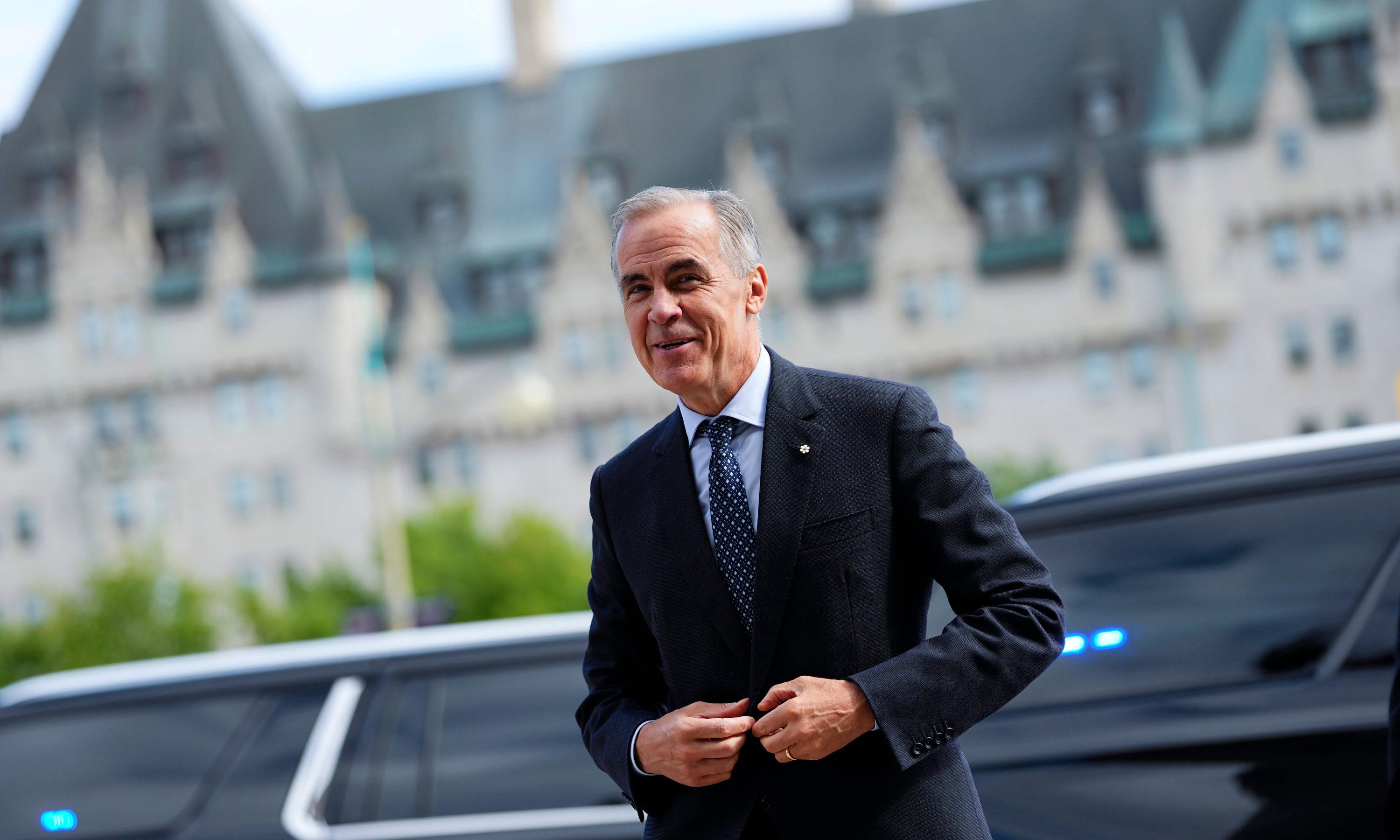
Carney Tells Trump to Stop Memes as Trade Fight Escalates

US-Canada Trade Fight Escalates, Raising Tariff and Market Risks

UPSC Key Covers India-China Ties, Space, Mercury and Governance

Education Minister Launches Bharat Innovates 2026 DeepTech Publication
Modi Invites France and World to Join India’s Space Frontier
Macron Calls for Europe’s Independent Crewed Spaceflight Within Decade
