

1 day ago
Rupee Strengthens Against Dollar on Growth, Inflows and RBI Support

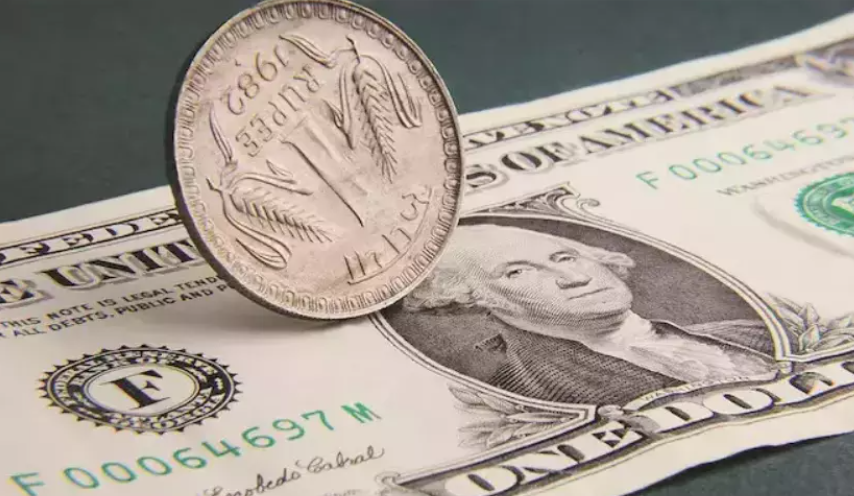
The Indian rupee became stronger compared with the US dollar on Tuesday.
It finished at 94.94 rupees for one dollar, its best level in nearly two months.
India’s economy grew 7.8% from April to June, which made investors feel more confident.
Foreign investment and possible support from India’s central bank also helped.
However, foreign investors sold many Indian shares on Monday.
Oil prices rose, which can make things harder for India because it buys oil from other countries.
Tensions involving the United States and Iran could also put pressure on the rupee.
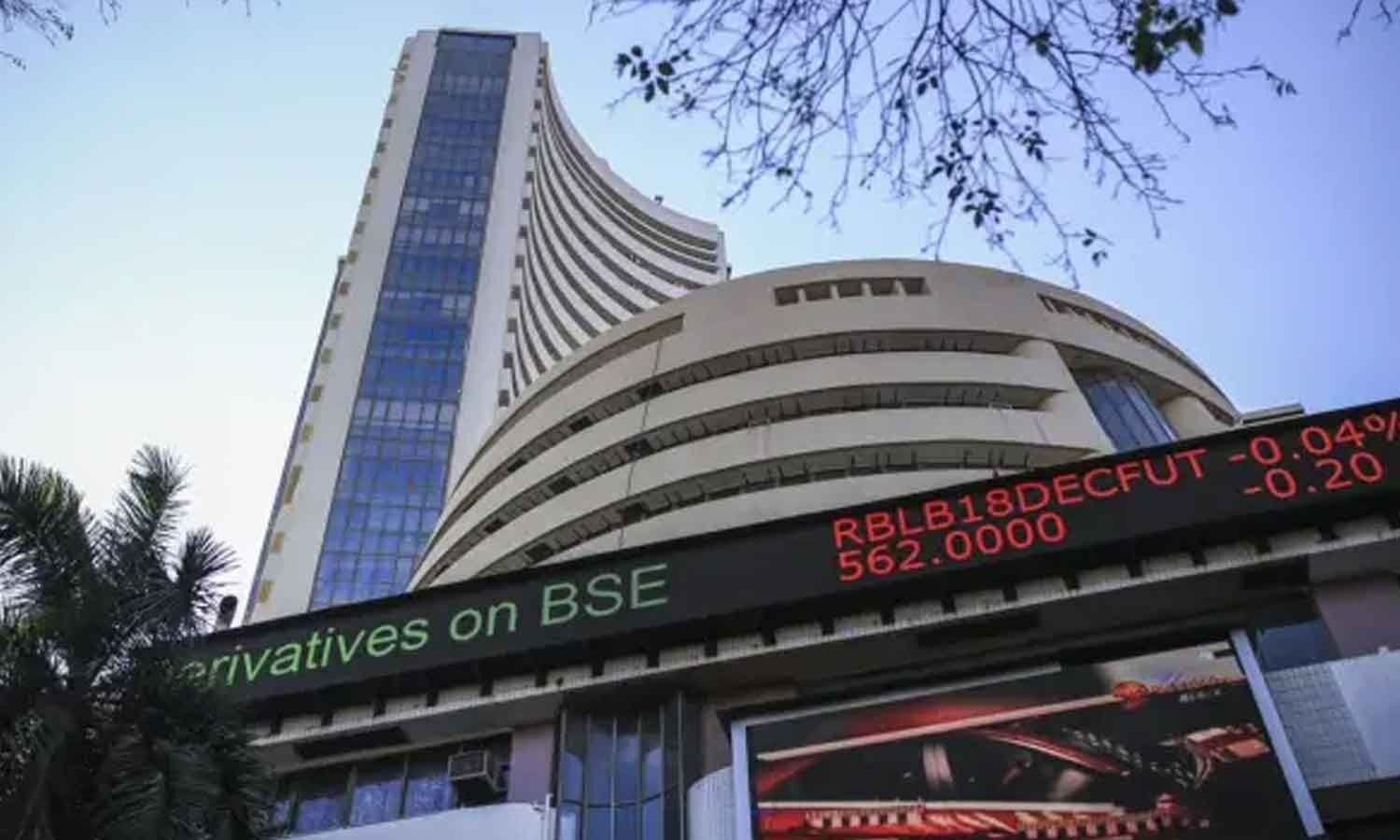
Indian share markets ended slightly lower.
Analysts said the rupee could trade between 94.65 and 95.25 against the dollar in the near term.

The rupee closed at a nearly two-month high of 94.94 per US dollar on Tuesday, gaining 28 paise.
Robust 7.8% quarterly growth, contained fiscal slippage and portfolio inflows supported the currency.
Possible Reserve Bank of India intervention and MSCI-linked inflows provided additional temporary support.
Foreign investors sold Rs 7,985.88 crore in Indian equities on Monday but invested about USD 3.1 billion in August.
Higher crude prices, weak equities and geopolitical tensions limited gains, while the Sensex and Nifty ended lower.
- Who
- The Indian rupee, forex traders, foreign investors and the Reserve Bank of India.
- What
- The rupee gained 28 paise to close at 94.94 per US dollar on Tuesday.
- Where
- India’s interbank foreign exchange market and domestic equity markets.
- When
- Tuesday; the previous trading session ended on Monday.
- Why
- Support came from strong economic growth, contained fiscal slippage, portfolio-related inflows and possible RBI intervention, while crude prices and geopolitical risks limited gains.
Factors Supporting the Rupee
Factors Pressuring the Rupee
Economic and capital-flow support
Factors Supporting the Rupee
Strong 7.8% growth, contained fiscal slippage, MSCI-linked inflows and possible Reserve Bank of India intervention supported the currency.
Factors Pressuring the Rupee
Foreign investors sold Rs 7,985.88 crore of equities on Monday and remained net sellers of about USD 24.6 billion in 2026, indicating that broader foreign flows remained uncomfortable.
Market and geopolitical risks
Factors Supporting the Rupee
Any easing of geopolitical tensions could support the rupee, and analysts identified a near-term USD-INR range of 94.65 to 95.25.
Factors Pressuring the Rupee
Higher crude prices, weak domestic equities, renewed US-Iran tensions and potentially hawkish US Federal Reserve comments could pressure the rupee.
Key facts
- Rupee close
- 94.94 per US dollar, up 28 paise and a nearly two-month high.
- Previous close
- The rupee closed Monday at 95.22 per US dollar, up 21 paise.
- Intraday range
- The rupee traded between 94.79 and 95.10 after opening at 95.06.
- Economic growth
- India’s economy grew 7.8% in the April-June quarter.
- Fiscal deficit
- The central government’s fiscal deficit reached 26.8% of the 2026-27 full-year target by the end of July, compared with 29.9% of the previous year’s Budget Estimates after four months.
- Foreign investment
- Foreign investors sold Rs 7,985.88 crore in equities on Monday but invested about USD 3.1 billion in August.
- Crude oil
- Brent crude futures rose to USD 92.27 per barrel in one report; another cited USD 91.06 during Tuesday morning trading.
Quotes
Amit Pabari
Managing director of CR Forex Advisors
“The data is particularly noteworthy because it came during a period marked by Middle East tensions and elevated crude prices. Strong growth does not automatically strengthen a currency, but it does reinforce the perception that India's domestic economy remains resilient despite global turbulence.”
 deccanchronicle.com
“So, the direction has improved -- but the broader foreign-flow picture is still not completely comfortable.”
deccanchronicle.com
Sources
Related news

Rupee Rises 28 Paise, Nearing Two-Month Dollar High
Rupee Gains as Softer Dollar Counters Oil and Geopolitical Risks

Rupee Gains 24 Paise as Dollar Weakens, Equities Rise

Rupee Trading Reports Diverge as Oil and Tensions Weigh
Rupee Recovers as Easing Brent Prices Offset Dollar Pressure

Rupee Climbs to Two-Month High on RBI Intervention

Beer-Fueled Political Clash Over India’s 7.8% GDP Growth

Indian Rs 1 Trillion Market Cap Club Expands
Sensex, Nifty Plunge as West Asia Tensions Lift Oil Prices

Indian Markets Open Lower as US-Iran Tensions Lift Oil
Indian Market Ends Lower as Volatility Keeps Trading Non-Directional
