3 weeks ago
Tech-driven public toilet upgrades essential for India's public health

Toilets are very important for keeping people healthy.
In many towns and cities in India, public toilets are dirty and broken.
Doors are missing, water is not available, and they smell really bad.
Because of this, people go to the bathroom in open places like behind shops and empty plots.
This attracts flies and mosquitoes and can make people sick.
Women and girls have the hardest time, because dirty toilets can cause infections and some girls stop going to school.
Even some schools do not have working toilets, even though a court said they must.
The government collects money for cleanliness, but people are not sure where it is spent.
Experts say new 'smart' toilets with sensors and technology can help keep things clean.
They also want more free public toilets for everyone.

Public toilets across many Indian towns and cities remain deplorably unclean and poorly maintained, posing a serious public health concern.
Women and girls suffer most, with dirty or missing toilets linked to infections, kidney ailments, and school dropouts among adolescent girls.
The Supreme Court of India has directed every government school to have adequate toilets, yet many still lack functional, maintained facilities.
Cities hold ODF++ certifications despite continued open urination, and there is little transparency on how Swachh Bharat Cess funds are spent.
Commentators call for smart, contactless toilets with IoT monitoring and sensor-based flushing, free urinals, and one modern toilet per 1,000 people.
- Who
- Citizens across Indian towns and cities, especially women and girls, sanitation workers, and government bodies; innovator Harsh Ranjan Gupta of Hyderabad is cited as a solution-builder.
- What
- Poorly maintained public toilets are a serious public health concern, and experts are urging technology-driven smart toilet management to fix it.
- Where
- India — markets, bus and railway stations, highways, schools, and commercial complexes across towns and cities.
- When
- Ongoing situation; the article gives no specific date.
- Why
- Dirty and scarce toilets force open urination and defecation, raise disease risk, harm women's health, and push girls out of school.
Key facts
- Core issue
- Deplorable condition of public toilets in Indian towns and cities
- User fee
- ₹3–₹5 charged even for urinals
- Key proposal
- At least one modern public toilet per 1,000 people
- Certification
- ODF++ (Open Defecation Free Plus Plus)
- Funding
- Swachh Bharat Cess (thousands of crores of rupees collected)
- Innovation example
- Contactless smart toilet model by Harsh Ranjan Gupta of Hyderabad
- Most affected group
- Women and girls, including adolescent girls at risk of dropping out of school
- Sanitation workers
- Often denied gloves, masks, and other protective equipment
Sources
Related news
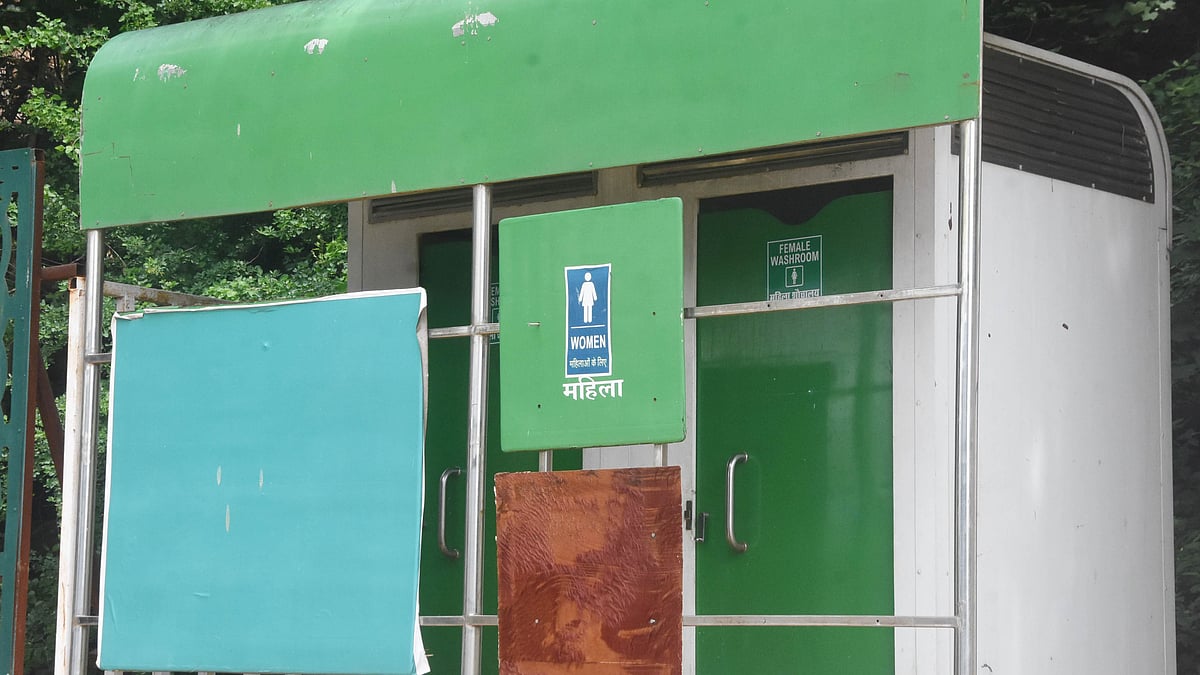
Bhopal Women Struggle for Clean Toilets Despite Women-Led Civic Administration

Why India Still Struggles to Build Usable Public Toilets
Uttar Pradesh Urban Toilet Construction Surpasses Nine Lakh Under Mission
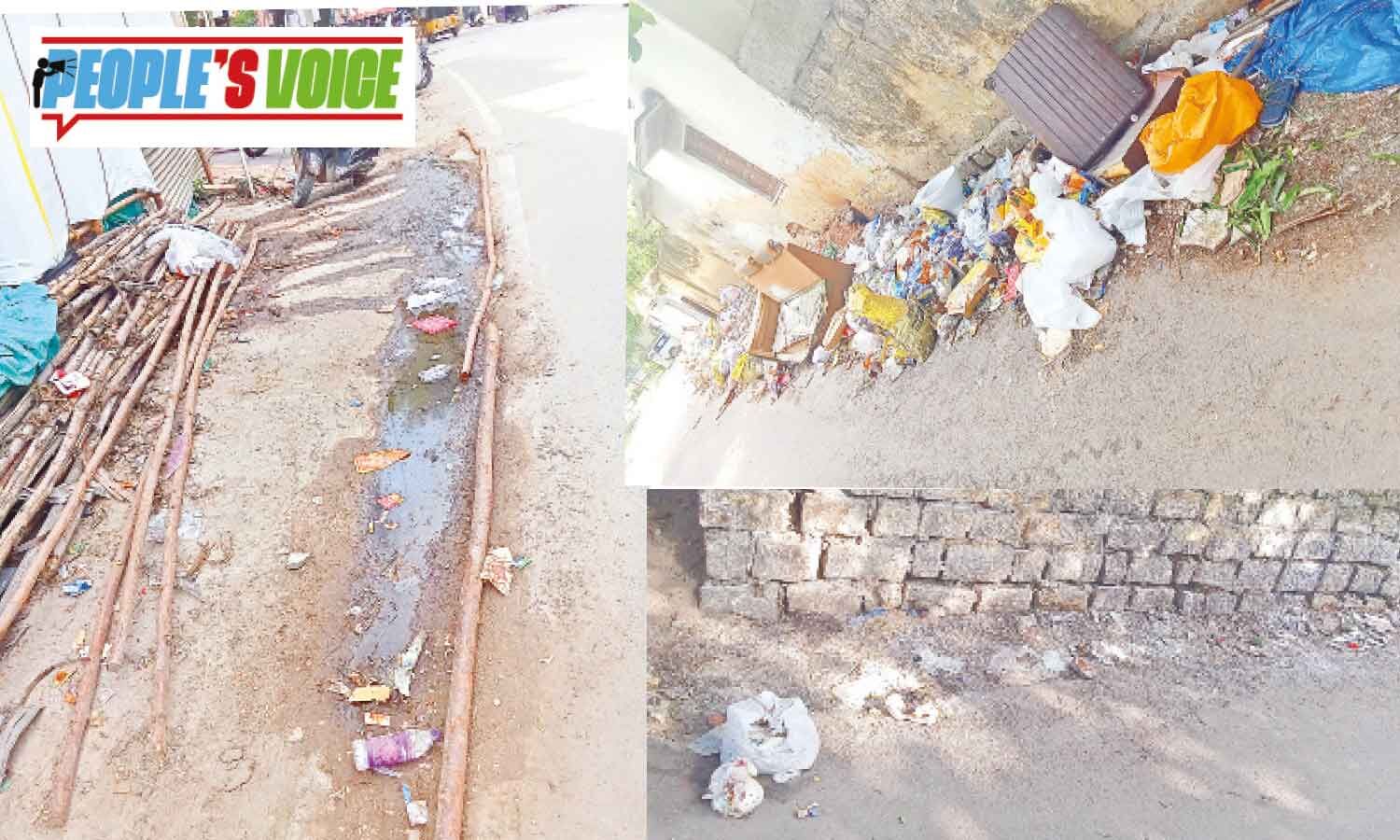
Residents Seek Cleanup and Public Toilets at Two Spots
Malkajgiri Chief Orders Swachh Badi in Every Zone, Expedites Toilets

Two Years After RG Kar Doctor's Rape-Murder, Case Remains Unresolved

ED widens Chhattisgarh probes with two arrests and searches

Delhi High Court Orders Madhya Pradesh to Pay Advocate Dues
Haryana sanitation workers’ strike puts BJP government under pressure
Orissa High Court Says Brothel Customers Cannot Face Trafficking Charges