3 weeks ago
US Plan to End 60-Day Grace Period for H-1B Workers
Many people from India come to America to work using a special permit called an H-1B visa.
Right now, if they lose their job, they get 60 days to stay in the country and look for a new one.
This time is called a grace period.
The American government is thinking about ending this grace period.
If the plan goes through, workers might have to leave the country almost right away after losing their job.
The change would also affect people on other work visas and their families.
Indian workers would be hit the hardest because most H-1B visas are given to people from India.
Some experts say the change is unfair and would hurt American companies too.
The good news is the change is not final yet.
People can still send their opinions to the government before a final decision is made.

The US Department of Homeland Security has proposed ending the 60-day grace period that lets H-1B and other nonimmigrant workers stay in the US to find a new sponsor, change status, or prepare to leave after losing their job.
The grace period, in place since 2017, also covers L-1, O-1, E-1, E-2, E-3, H-1B1 and TN visa holders as well as family members on H-4 dependent visas.
Experts warn the change would cause severe human displacement and loss of highly skilled talent, with Indian nationals, who received 71% of approved H-1B petitions in 2024, the largest group affected.
The proposal is under review at the White House Office of Management and Budget; it must be published in the Federal Register and go through a 30-60 day public comment period before it can become final.
Former White House advisor Ajay Jain Bhutoria urged DHS to withdraw the proposal and adopt a 180-day grace period instead, calling the elimination 'inhumane and unworkable'.
- Who
- The US Department of Homeland Security (DHS) proposed the change, and the plan is under review at the White House Office of Management and Budget; Indian H-1B workers and their families would be most affected.
- What
- A proposal to eliminate the 60-day grace period that lets H-1B and other nonimmigrant workers stay in the US to find a new sponsor, change status, or prepare to leave after losing their job.
- Where
- United States
- When
- The proposal is currently under review at the OMB; the grace period, in place since 2017, remains active and no final decision has been made.
- Why
- It is part of the Trump administration's effort to tighten the H-1B programme, which the government says is being misused to replace American workers.
Workers and their advocates
Trump administration and supporters
Purpose of the H-1B programme
Workers and their advocates
Views H-1B as a legal route for skilled foreign professionals who have contributed to US technological and economic leadership, and warns that removing the grace period would cause human displacement and force workers to leave almost immediately.
Trump administration and supporters
Argues the H-1B programme is being misused to replace American workers and needs to be tightened.
Keeping or removing the 60-day grace period
Workers and their advocates
Calls the 60-day window a vital safety net for laid-off workers and says eliminating it is 'inhumane and unworkable'; Bhutoria urges DHS to withdraw the proposal and adopt a 180-day grace period instead.
Trump administration and supporters
Supports removing the window as part of broader H-1B tightening, which has also included a proposed $100,000 application fee (paused by a court) and efforts by some lawmakers to end the programme altogether.
Key facts
- Proposed change
- Eliminate the 60-day grace period after job loss
- Grace period introduced
- 2017
- Proposing agency
- US Department of Homeland Security (DHS)
- Current status
- Under review at the White House Office of Management and Budget (OMB)
- Visas covered
- H-1B, L-1, O-1, E-1, E-2, E-3, H-1B1, TN and H-4 dependents
- Indian share of H-1B approvals (2024)
- 71%
- People of Indian origin in the US
- Over 5.2 million
- Public comment period
- 30-60 days after publication in the Federal Register
Quotes
Ajay Jain Bhutoria
Former White House advisor and former counselor to President Biden
“Scrapping the existing 60-day grace period entirely represents a severe regression that directly harms legal immigrants who have contributed significantly to the United States' technological and economic leadership.”
 firstpost.com
 m.rediff.com
Adrian Pandev
American attorney and immigration expert
“Without it, the employee is incentivised not to mention anything to their current employer until the new petition is filed or even approved. That means the current employer could be finding out they are losing a team member on extremely short notice.”
firstpost.com
m.rediff.com
Sources
Related news
US proposes ending 60-day H-1B grace period for jobless workers

H-1B Grace Period Could End After US Layoffs

Trump Administration Proposal Could End H-1B Grace Period

US mulls ending 60-day grace period for H-1B workers
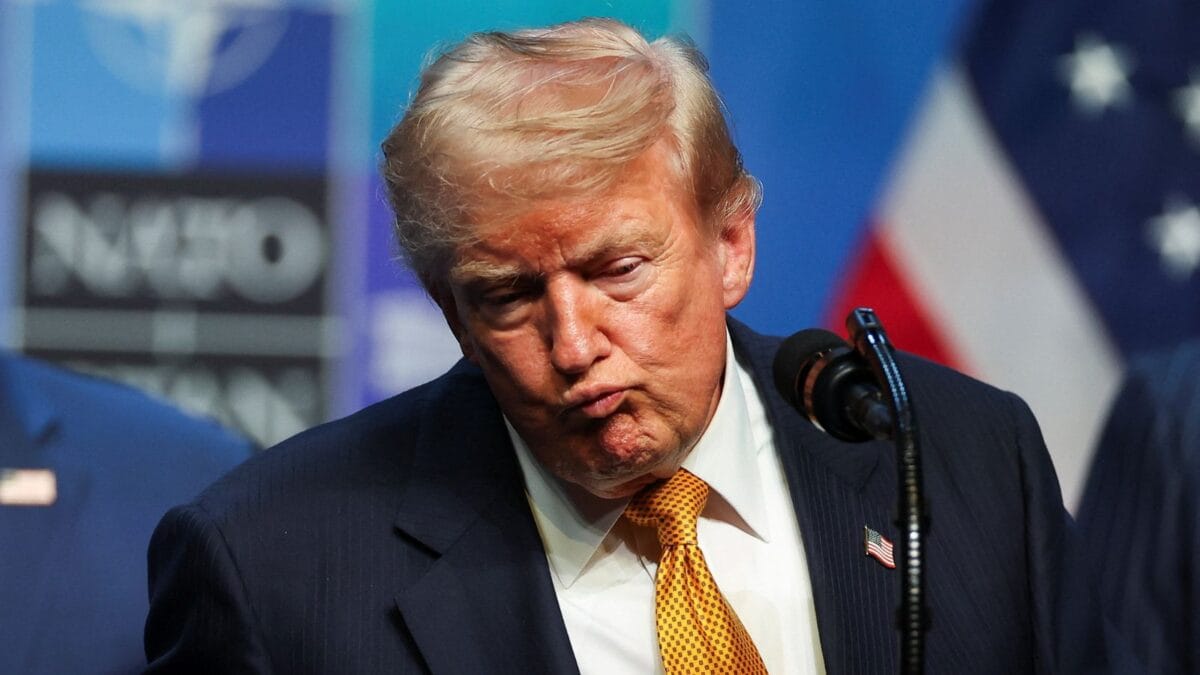
Trump Administration Proposes Ending 60-Day Grace Period for H-1B Workers
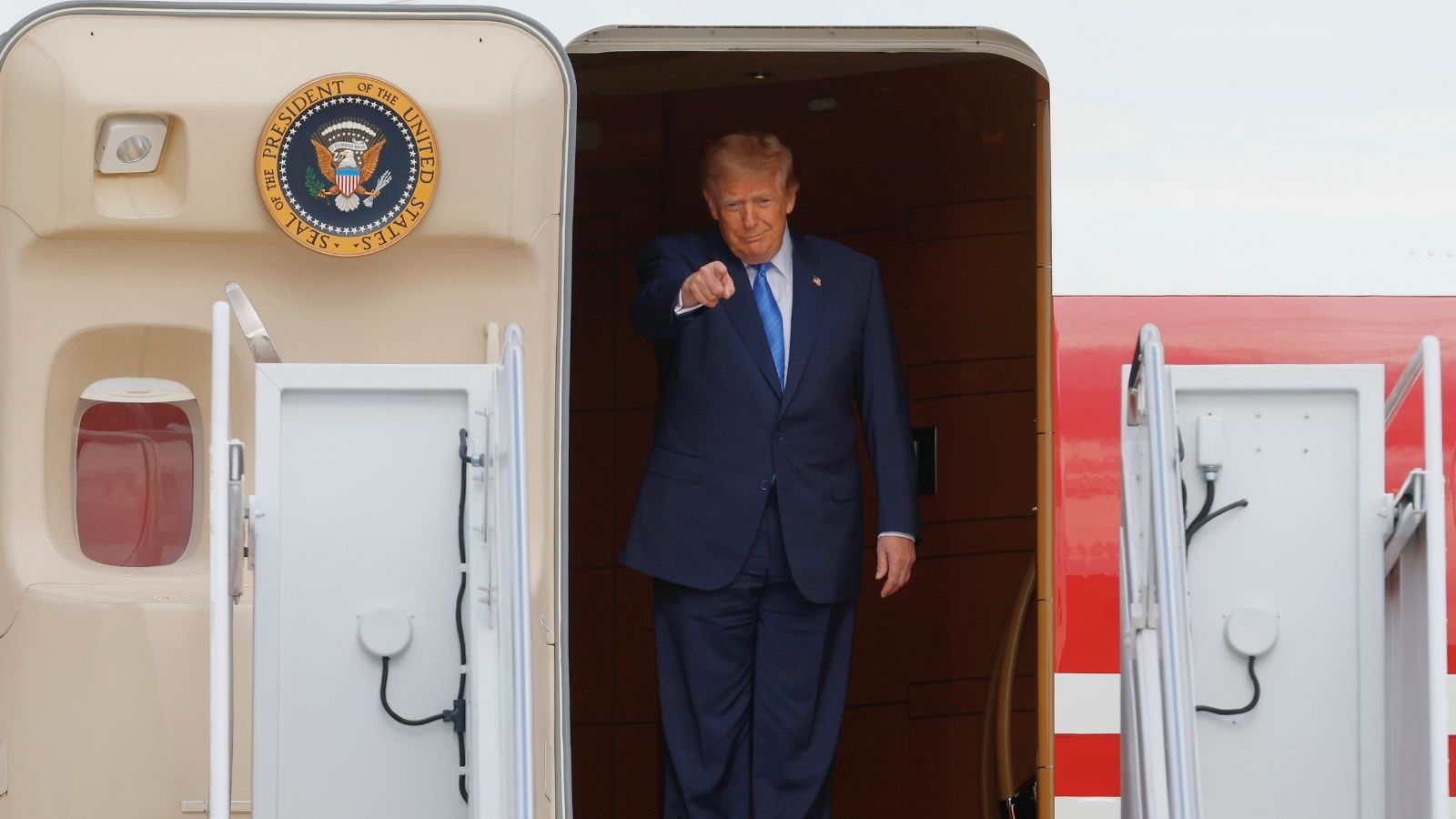
Trump White House Clears Plan Ending H-1B Grace Period

FTC raises Do Not Call registry fees starting October 1
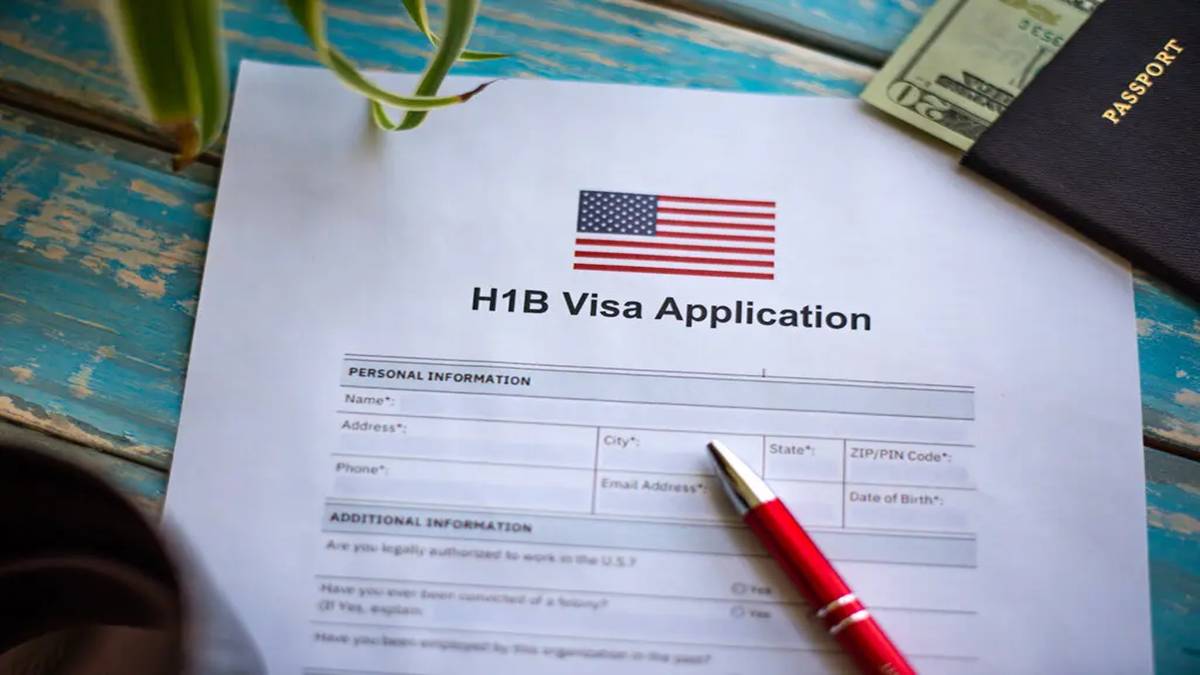
Trump administration plans H-1B visa reform targeting three loopholes