2 hrs ago
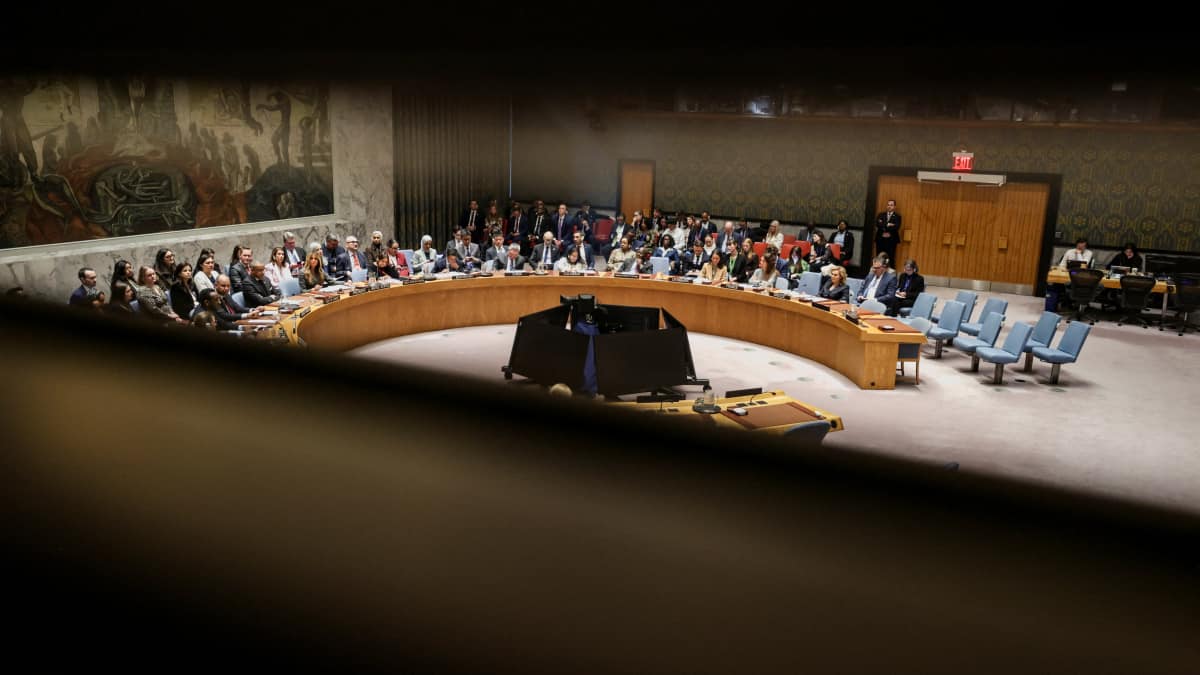
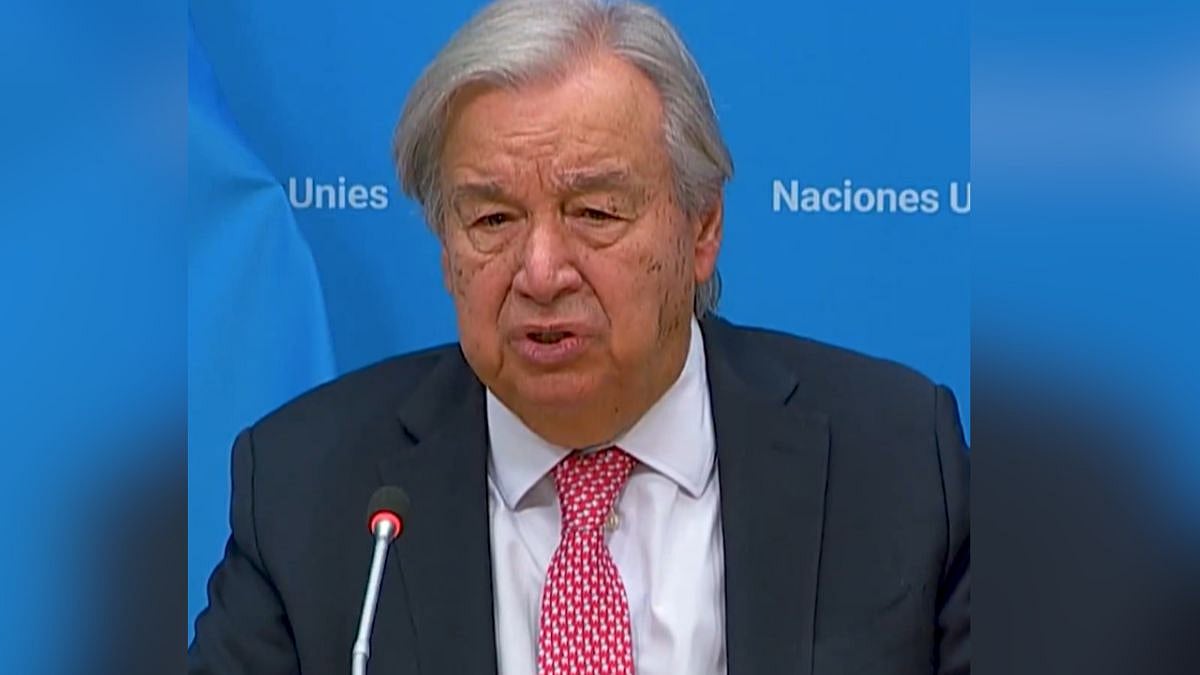
Guterres Urges Security Council Reform for Changed World
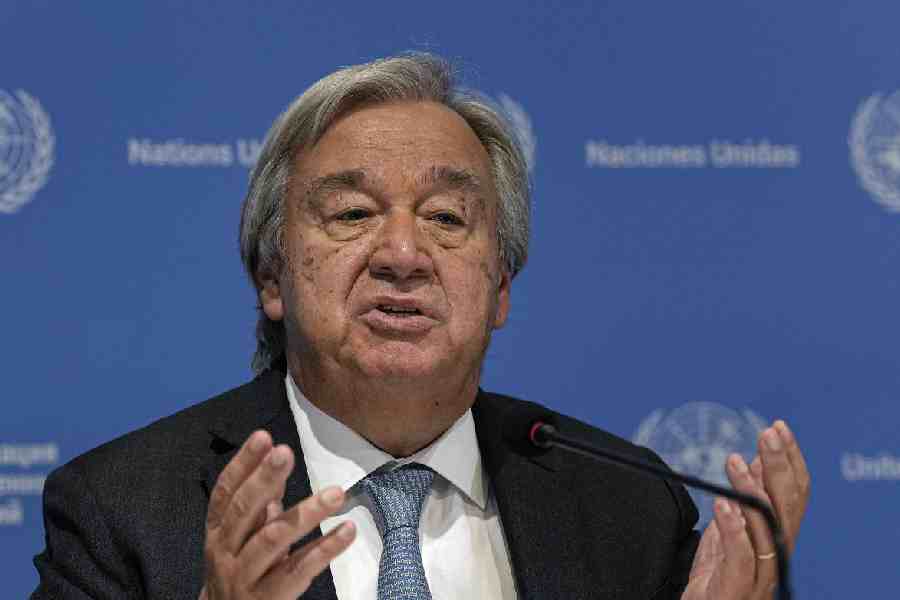
Antonio Guterres asked countries to change how the United Nations Security Council works.
He said the Council was designed after World War II, when the world looked very different.
Africa still does not have a permanent seat, even though the continent has changed greatly since then.
The Council’s five permanent members often disagree, making it harder to respond to wars and other crises.
Guterres said the world is becoming multipolar, meaning more countries and regions have important power.
He warned this could lead to separated and competing blocs.
He also described a better option in which countries remain connected and follow shared international rules.
He said stronger and more representative global institutions are needed to address modern challenges such as climate change and artificial intelligence.

Antonio Guterres called for a fundamental overhaul of the 15-member United Nations Security Council.
He said the Council still reflects the power arrangements of 1945 rather than today’s geopolitical realities.
Guterres highlighted Africa’s lack of a permanent seat as unjust and indefensible.
He warned that divisions among the five permanent members have weakened the Council’s response to conflicts.
He urged leaders to pursue networked multipolarity instead of fragmentation and rival global blocs.
- Who
- United Nations Secretary-General Antonio Guterres addressed world leaders at the General Assembly.
- What
- Guterres urged a fundamental reform of the 15-member Security Council, including more representative membership.
- Where
- At the United Nations General Assembly hall.
- When
- He made the appeal while opening the General Debate of the 81st General Assembly session on Tuesday; his second term ends in December 2026.
- Why
- He said the Council still reflects the post-World War II order, does not include permanent African representation, and has struggled to respond effectively to current conflicts and global challenges.
Fragmented Multipolarity
Networked Multipolarity
How countries cooperate
Fragmented Multipolarity
A multipolar world could become fragmented, with rising tensions, mistrust, weakened institutions, fractured markets and reduced cooperation.
Networked Multipolarity
Countries could remain connected through economic, political, social and technological links within a common framework of international law and shared rules.
Global power blocs
Fragmented Multipolarity
The world could divide into two rival blocs with separate economic, technological and security systems, creating what Guterres called the “Great Fracture.”
Networked Multipolarity
Multiple centres of influence could coexist without forming rival blocs, while competition remains separate from confrontation.
Global problem-solving
Fragmented Multipolarity
Power arrangements rooted in an earlier era would continue to limit effective collective action as modern threats intensify.
Networked Multipolarity
A more balanced and representative United Nations system could help countries address shared challenges that no single power can solve alone.
Key facts
- Speaker
- Antonio Guterres, United Nations secretary-general
- Institution
- United Nations Security Council
- Council size
- 15 members
- Permanent members
- China, France, Russia, the United Kingdom and the United States
- Main reform concern
- The Council does not reflect contemporary geopolitical realities
- African representation
- Africa has no permanent seat on the Council
- India’s position
- India supports expanding both permanent and non-permanent membership and seeks a permanent seat
- Alternative proposed
- Guterres advocated networked multipolarity based on interdependence, international law and shared rules
Quotes

Antonio Guterres
United Nations secretary-general addressing the General Assembly
“We must also reform the Security Council so that it reflects today’s world with the legitimacy and effectiveness that today’s challenges demand.”
 telegraphindia.com
“A 21st-century Security Council without permanent African representation is unjust and indefensible. This must change”
telegraphindia.com
Sources
Related news
UN Backs Modi’s Push for Security Council Reform
Guterres Calls BRICS Multipolarity Evidence for Security Council Reform
Guterres Urges Urgent Security Council Reform Amid Global Power Shift
Guterres Backs Modi’s Call to Reform UN Security Council
Lula and Guterres Demand Security Council Reform Over Global Inaction
Erdogan Calls for UN Security Council Overhaul, Veto Abolition

Guterres Urges AI Curbs, Peace and UN Reform
France, United States Weigh UN Mission to Reopen Hormuz