1 week ago
RBI Expects $80 Billion Forex Inflows to Bolster Reserves
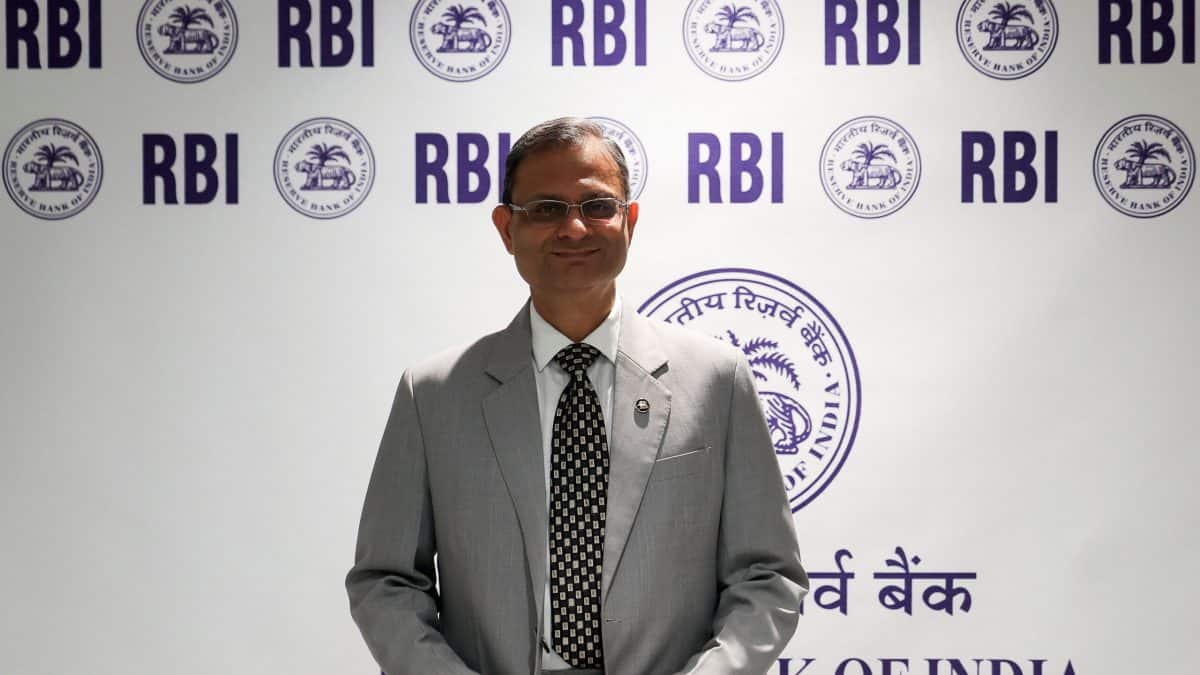
The Reserve Bank of India created three programs to bring more foreign currency into the country.
These programs involve deposits and borrowing by banks and companies.
They have already brought in nearly $57 billion.
The RBI thinks the total could reach at least $80 billion.
More foreign currency gives India a bigger cushion when global events cause problems.
It can help the RBI handle sudden pressure on the rupee and pay for imports.
The RBI ended one deposit program earlier because it had received more money than expected.
However, $80 billion in inflows does not automatically mean India’s reserves will increase by exactly $80 billion.
This is because swaps involve both assets and liabilities for the central bank.

The Reserve Bank of India expects at least $80 billion in foreign-currency inflows through three swap schemes launched in June.
The schemes have already attracted about $56.85 billion, including $52.3 billion through FCNR(B) deposits as of August 13.
India’s foreign-exchange reserves rose to about $707 billion in the week ended August 7, increasing $14.1 billion in one week.
The RBI ended the FCNR(B) deposit window early, moving the deadline from September 30 to August 31; swaps can continue until September 11.
The inflows may give the RBI more flexibility to limit rupee volatility, though they will not necessarily add the full $80 billion directly to headline reserves.
- Who
- The Reserve Bank of India, led by Governor Sanjay Malhotra, and participating banks, non-resident Indians, and borrowers.
- What
- Three concessional foreign-exchange swap schemes are expected to generate at least $80 billion in foreign-currency inflows.
- Where
- India, through the Reserve Bank of India and participating financial institutions.
- When
- The schemes were launched in June; as of August 13, about $56.85 billion had been mobilized. The FCNR(B) deposit deadline was moved to August 31, with swaps permitted until September 11.
- Why
- To attract foreign currency, strengthen the balance of payments, increase the external financial cushion, and give the RBI more flexibility during market volatility.
Key facts
- Expected total inflows
- At least $80 billion through the three forex swap schemes.
- Inflows already mobilized
- About $56.85 billion as of August 13.
- FCNR(B) deposits
- Banks had raised $52.3 billion through FCNR(B) deposits.
- Foreign-exchange reserves
- About $707 billion in the week ended August 7.
- Weekly reserve increase
- Reserves rose by $14.1 billion in one week.
- FCNR(B) deadline
- The deadline for fresh deposits was advanced from September 30 to August 31.
- Remaining facilities
- The external commercial borrowing and overseas foreign-currency borrowing facilities remain available until the end of December.
Quotes
Governor Sanjay Malhotra
Governor of the Reserve Bank of India
““The rupee remains market‑determined and the RBI’s intervention policy is aimed at curbing excessive volatility and undue speculative activity.””
 firstpost.com
““The decision was taken from a ‘position of strength’, as flows had been stronger than both the RBI and most market participants had expected.””
firstpost.com
Sources
Related news

RBI Forex Swap Draws $136.37 Billion, Led by FCNR(B)
RBI Forex Swap Facility Draws $72.85 Billion in Inflows
RBI Rules Out Early End to Forex Swap Schemes

RBI's concessional swap facility attracts USD 56.85 billion forex inflows

RBI Forex Swap Draws $73 Billion in Inflows

RBI Forex Swap Draws $136.4 Billion, Led by FCNR(B) Deposits

RBI Governor Meets US Fed Chief Kevin Warsh at G20

Indian Bond Yields Near 7% as Rate Hike Bets Rise

India Hosts BRICS 2026 Amid US-Iran War Tensions

Finance Ministry Flags Global Yield and Inflation Risks for India