1 week ago
SEBI Proposes Easier Digital KYC for Overseas Indian Investors

SEBI wants to make it easier for people living outside India to invest in Indian stocks.
Right now, many overseas investors must travel to India or send paper documents by courier to finish KYC.
KYC is the process of checking who an investor is.
The proposed rules would let eligible investors complete much of this process online from abroad.
They would need to live in a country that follows the Financial Action Task Force’s standards.
Video checks, location checks and anti-fraud tools would help confirm their identity.
Investors could use electronic signatures for many documents.
They would still need to provide a passport, and OCI cardholders would need to provide an OCI card where applicable.
The proposal is not yet a final rule, and the public can comment before September 4, 2026.

SEBI has proposed allowing eligible overseas investors to complete digital KYC without traveling to India.
The proposal would apply to individual non-resident clients in Financial Action Task Force-compliant countries.
Safeguards would include video verification, liveliness detection, GPS matching, anti-spoofing measures and concurrent audits.
Investors could submit KYC forms digitally with electronic or digital signatures, but wet-signature verification would remain mandatory during video verification.
SEBI is accepting public comments until September 4, 2026; any final changes would begin 30 days after a circular is issued.
- Who
- The Securities and Exchange Board of India, along with individual Persons Resident Outside India such as NRIs, OCIs and certain foreign nationals.
- What
- SEBI has proposed removing the requirement for eligible overseas investors to be physically present in India during digital KYC.
- Where
- The proposal concerns overseas investors seeking to invest in India’s securities market, particularly those located in Financial Action Task Force-compliant countries.
- When
- The consultation is open for comments until September 4, 2026; approved changes would take effect 30 days after the final circular is issued.
- Why
- The proposal aims to replace slow, costly paper-based onboarding and make it easier for overseas investors to access Indian securities.
Key facts
- Regulator
- Securities and Exchange Board of India (SEBI)
- Eligible investors
- Individual NRIs, OCIs and certain foreign nationals living in FATF-compliant countries
- Main change
- Physical presence in India would no longer be required during digital KYC
- Proposed safeguards
- Video in-person verification, liveliness detection, GPS matching, anti-spoofing protections and concurrent audits
- Documents
- Passports would remain required; OCI cardholders would also provide OCI cards where applicable
- Signatures
- Electronic or digital signatures could be used for KYC submissions, while wet-signature matching would remain part of video verification
- Public comments
- Comments are invited until September 4, 2026
Quotes

Nithin Kamath
Founder and CEO of Zerodha
“We have over 50,000 NRIs investing with us today. A stat that surprised me when we looked at our numbers: nearly 80% of them are active. That’s a ridiculous number. They tend to invest more, take a longer-term view, and seem to be much stickier investors than regular investors.”
 financialexpress.com
“Even today, to open an account digitally, an NRI has to be physically in India. If they are abroad, there’s a ton of physical documentation involved and dealing with international courier delays. It has always been the most painful part of the journey.”
financialexpress.com
Sources
Related news

SEBI proposes digital KYC for NRIs, OCIs without physical presence
SEBI Proposes Easier KYC Norms for NRIs, OCIs, Foreign Investors
SEBI Plans Digital KYC Changes for Overseas Indian Investors

SEBI Eases FPI Onboarding With Digitally Signed Power Of Attorney

Practical Tips for Opening an NRI Bank Account Online
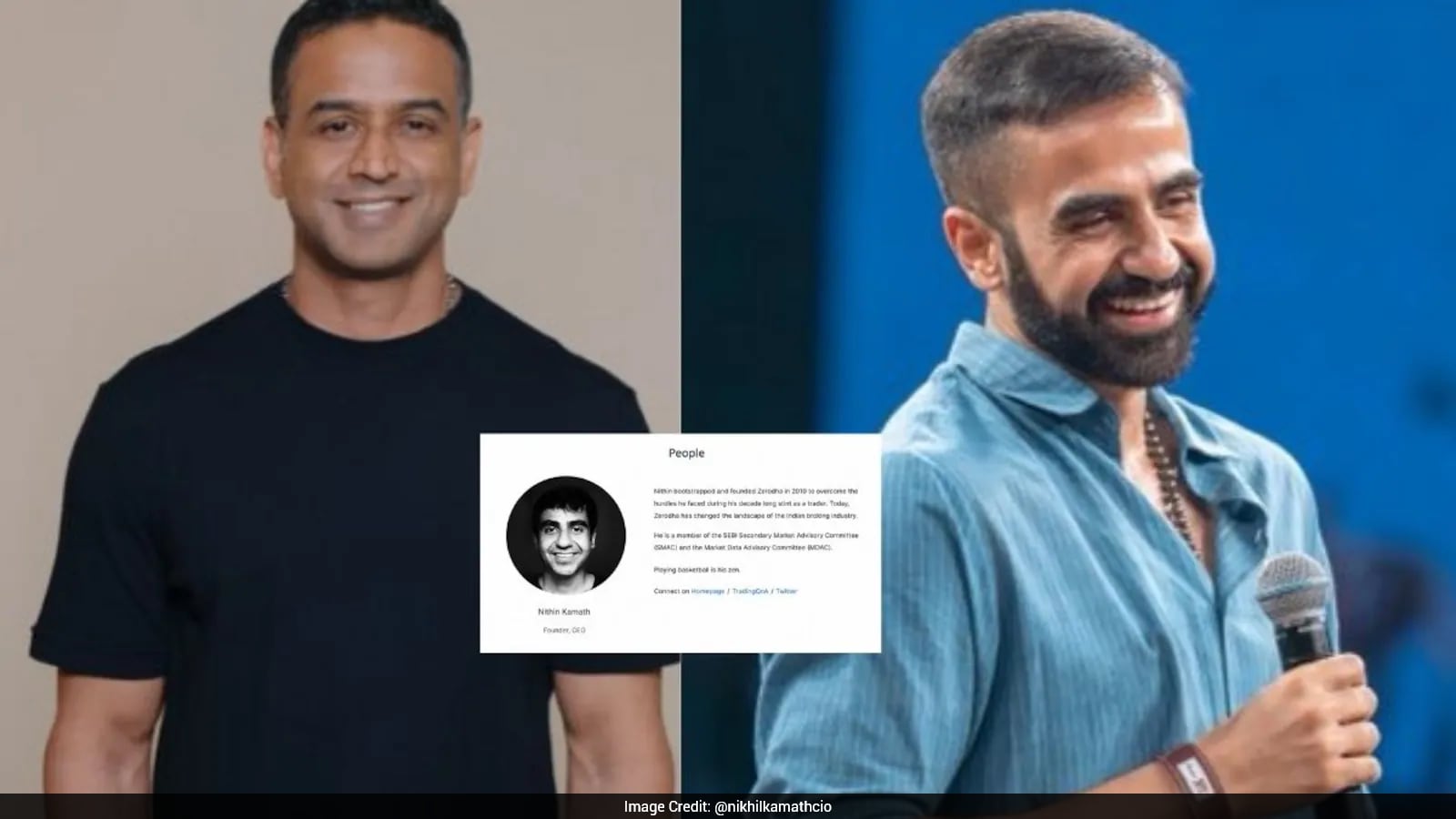
Nithin Kamath Jokes After Employee Praises Brother’s Looks

India’s Falling Fertility Signals A Gradual Demographic Shift

Nithin Kamath Shares Seema’s Stock-Market Rakhi Gift Idea

Zerodha’s Kamath Warns Margin-Loan Boom Could Spread Market Risk

Kamath Warns MTF May Suit Few Investors Amid Rising Risks