6 days ago
Kamath Warns MTF May Suit Few Investors Amid Rising Risks

Margin Trading Facility lets people buy shares with some of their own money and some money borrowed from a broker.
This gives investors more buying power, but it also makes losses larger when prices fall.
Investors must continue paying interest on the borrowed money.
If prices drop sharply, brokers may ask investors to add money or sell their shares.
Many forced sales could push prices down even more, especially for shares that are harder to sell quickly.
Zerodha’s MTF business has grown to about ₹9,000 crore.
Its customers have borrowed about ₹6,000 crore through the facility.
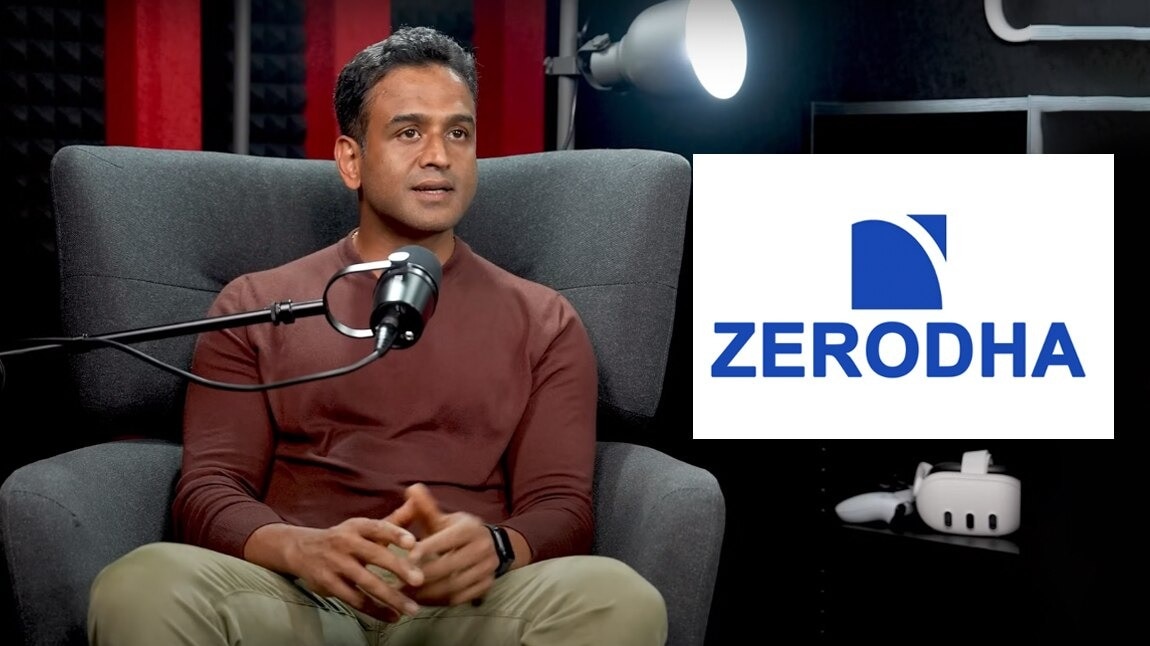
Nithin Kamath said Zerodha should explain the risks rather than constantly encourage customers to borrow.
Regulators are also considering stronger safeguards for margin lending.

Nithin Kamath said Zerodha’s margin trading facility may not be suitable for most customers.
Zerodha’s MTF book reached about ₹9,000 crore, while clients had borrowed approximately ₹6,000 crore.
Interest income from leveraged positions contributes roughly 10% of Zerodha’s revenue.
A sharp market decline could trigger margin calls, forced selling and additional pressure on share prices.
Indian investors borrowed a record ₹1.36 lakh crore through MTF by July, prompting proposed SEBI risk-management changes.
- Who
- Zerodha founder and CEO Nithin Kamath, Zerodha’s customers, leveraged investors, brokers and the Securities and Exchange Board of India.
- What
- Kamath warned that MTF may not be suitable for most customers and that its rapid growth could increase risks during a sharp market correction.
- Where
- India’s equity and brokerage markets.
- When
- Kamath made the comments in his annual message marking Zerodha’s 16th year; Zerodha’s MTF book was reported at August levels and India-wide borrowing at July levels.
- Why
- Leverage can magnify losses, while margin calls and forced selling could worsen a market decline and create stress for brokers.
Potential Benefits and Business Case
Customer and Market Risks
Increased buying power
Potential Benefits and Business Case
MTF lets investors purchase shares by paying only part of the investment upfront, increasing their market exposure.
Customer and Market Risks
Borrowing does not reduce investment risk; leverage can magnify losses as quickly as it magnifies gains.
Revenue and brokerage growth
Potential Benefits and Business Case
MTF provides Zerodha with more predictable interest income and currently contributes about 10% of its revenue.
Customer and Market Risks
Kamath said the rapid growth of the MTF book is concerning because a market downturn could expose Zerodha and other brokers to greater stress.
Use of leverage
Potential Benefits and Business Case
Investors may use borrowed funds to participate in the market without providing the entire purchase amount upfront.
Customer and Market Risks
Interest, brokerage charges and taxes raise the break-even price, while margin calls and forced selling could deepen a market decline.
Key facts
- MTF launch
- Zerodha began its MTF business in December 2024.
- Zerodha MTF book
- Approximately ₹9,000 crore in August.
- Customer borrowing
- Zerodha clients had borrowed about ₹6,000 crore for equity purchases.
- Revenue contribution
- Interest income from leveraged positions accounts for roughly 10% of Zerodha’s revenue.
- India-wide borrowing
- Investors borrowed a record ₹1.36 lakh crore through MTF by July.
- Potential trigger
- A sharp fall in share prices could lead to margin calls and forced selling.
- Regulatory response
- SEBI proposed higher broker net-worth requirements and broader funding options for MTF in June.
Quotes

Nithin Kamath
Founder and CEO of Zerodha
“This MTF business is scary, as brokers can borrow up to 5 times their net worth. While we are okay, we might get pulled down if there were a market contagion due to this leverage.”
 livemint.com
“The only thing we can really do is educate customers on the risk and not push it constantly or nudge them into borrowing money to invest.”
livemint.com
Sources

Related news
Nithin Kamath Warns Zerodha’s Margin Funding Business Is Risky

Zerodha’s Kamath Warns Margin-Loan Boom Could Spread Market Risk

Technology Expands Retail Investing but Deepens Derivatives Risks

Zerodha FY26 Revenue and Profit Remain Broadly Flat

India’s Finance Boom Builds Fortunes Through Investing, Lending

SEBI Report Urges Stronger Measures Against Retail F&O Speculation

Nithin Kamath Jokes After Employee Praises Brother’s Looks

India’s Falling Fertility Signals A Gradual Demographic Shift