2 hrs ago
How Putin May Leverage United Russia’s Election Victory

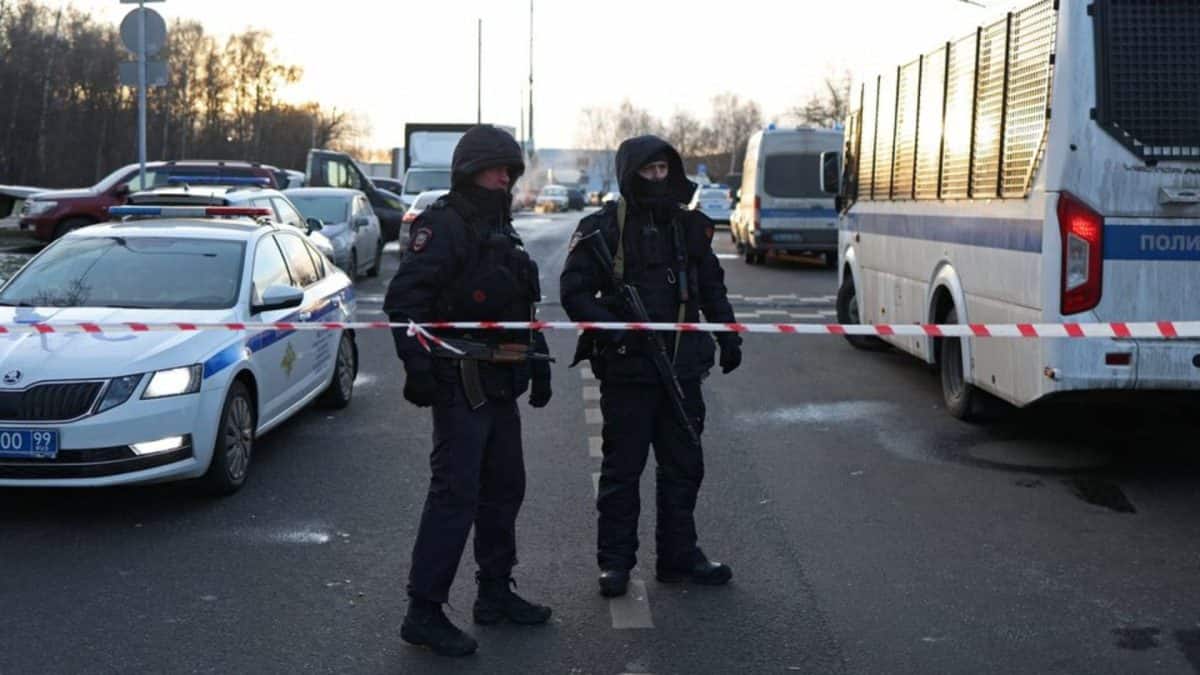
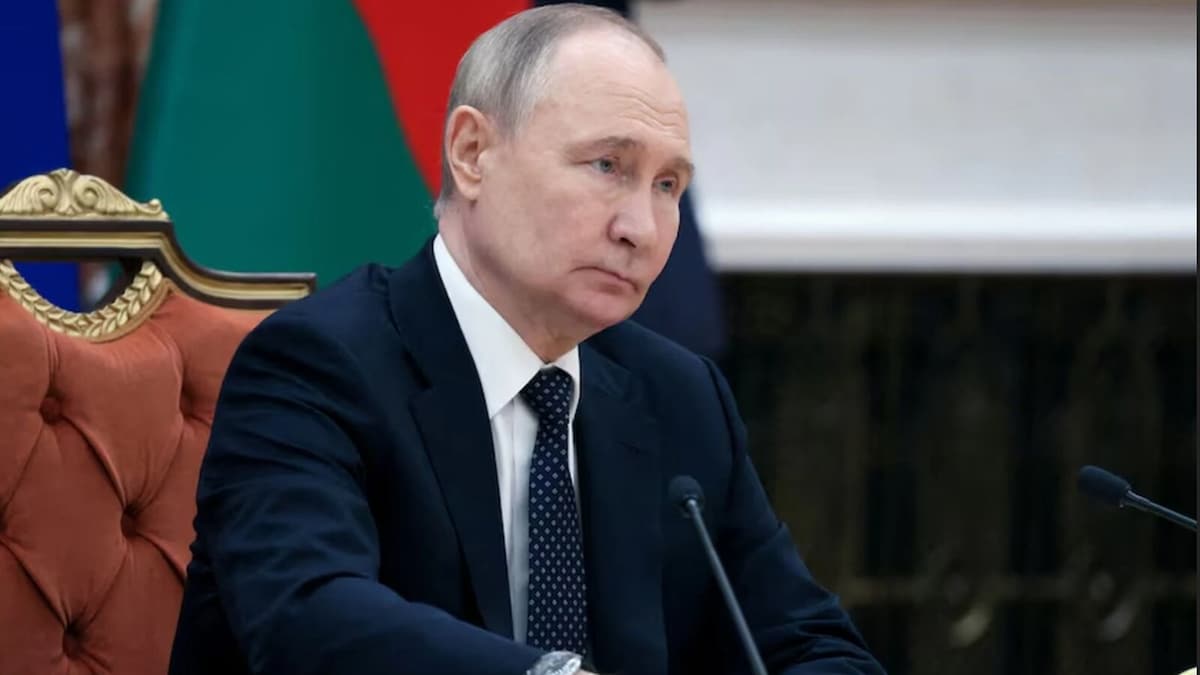
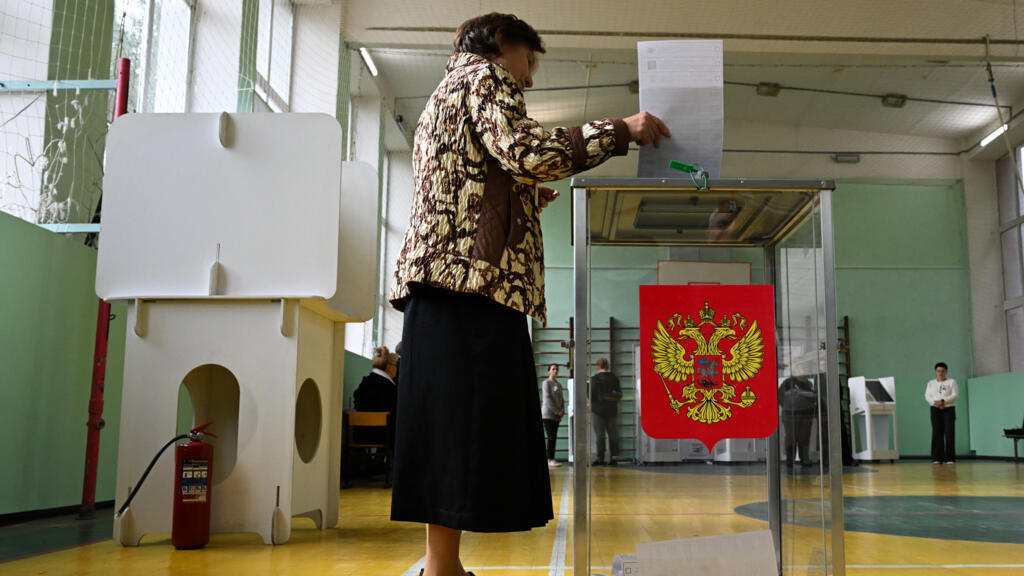
Russia’s ruling United Russia party won enough seats to keep a strong majority in parliament.
The election took place while Russia is fighting a war in Ukraine.
Many candidates who opposed the war were not allowed to compete.
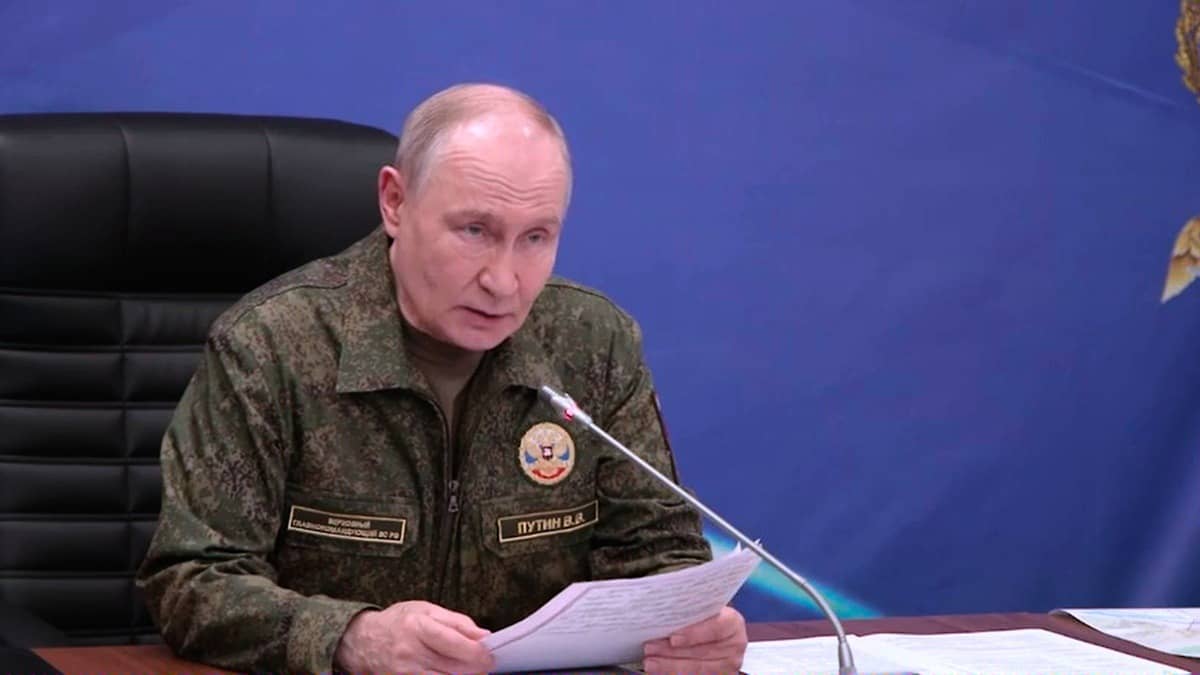
President Vladimir Putin may say the result proves that many Russians support the war.
He may also highlight soldiers who won seats as examples of a new political elite.
Russia has faced more Ukrainian drone attacks, fuel shortages, and public anxiety.
Putin may use the election to show that normal life and government procedures continue.
Critics worry that the result could support more military recruitment or restrictions on online information, but the government has not announced those steps imminently.

United Russia retained a decisive majority in Russia’s national parliament, according to near-complete results.
The election excluded most candidates who opposed Moscow’s war in Ukraine, Reuters reported.
Putin may present the result as evidence that Russians support continuing the war until key aims are met.
About 200 war veterans who ran for office could enter parliament as part of Putin’s proposed “new elite.”
Critics fear the result could later be used to justify mobilization or tighter censorship, though no imminent measures were announced.
- Who
- President Vladimir Putin and the pro-Putin United Russia party; Russian voters and candidates also participated.
- What
- United Russia retained a decisive majority in Russia’s national parliament in an election held during the war in Ukraine.
- Where
- Across Russia, which spans 11 time zones, including Moscow and other regions affected by Ukrainian drone attacks.
- When
- Near-complete results were reported on Monday, Sept. 21; the article does not specify the year of the election.
- Why
- Putin may use the result to claim public support for the war, promote battlefield veterans as a new elite, contrast Russia’s elections with Ukraine’s wartime restrictions, and present a sense of normality.
Putin’s framing
Critics’ concerns
Meaning of the election result
Putin’s framing
Putin may portray the victory as evidence that most Russians support continuing the war until key aims are achieved.
Critics’ concerns
Critics note that the political system was tightly controlled and that most candidates opposing the war were excluded.
Possible military mobilization
Putin’s framing
Putin said claims of a post-election mobilization were malicious suggestions intended to create panic.
Critics’ concerns
Domestic and foreign critics fear the result could be used to justify expanding the army because of reported battlefield losses and pressure to accelerate territorial gains.
Post-election restrictions
Putin’s framing
The authorities have given no public indication that previously discussed restrictions on foreign internet data will be revived imminently.
Critics’ concerns
Critics fear more repression after the election, including measures that could affect people using VPNs to access banned websites and applications.
Key facts
- Winning party
- United Russia, the pro-Putin ruling party
- Result
- United Russia retained a decisive majority in the national parliament
- Election conditions
- Most candidates who opposed Moscow’s war in Ukraine were excluded
- Veteran candidates
- About 200 veterans ran from a range of parties and many were expected to enter parliament
- War-related pressure
- Ukrainian drone strikes, attacks on oil refineries, fuel shortages, and business disruptions have increased
- Potential restrictions
- Critics fear post-election mobilization and tighter censorship, including possible limits affecting VPN users
- Government position
- Putin dismissed claims of an imminent post-election mobilization as “nonsense”
Sources
Related news
Russia's Election Could Help Putin Reinforce War Support
Russia Votes in Parliamentary Election Amid War and Controls
United Russia Leads Wartime Election Amid Ukrainian Drone Strikes
Russian parliamentary election enters final day amid Ukraine war test
Putin Links Russia’s Parliamentary Vote to War Support

Russia Begins Three-Day Wartime Parliamentary Election Amid Suppressed Dissent
Pro-Putin United Russia Retains Parliament Majority in Wartime Election
Russia Reports Over 1,000 Election Cyberattack Waves