

1 week ago
Why India’s Strong GDP Growth Faces Public Mistrust

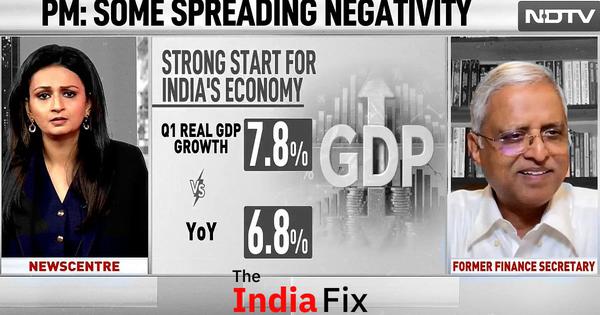
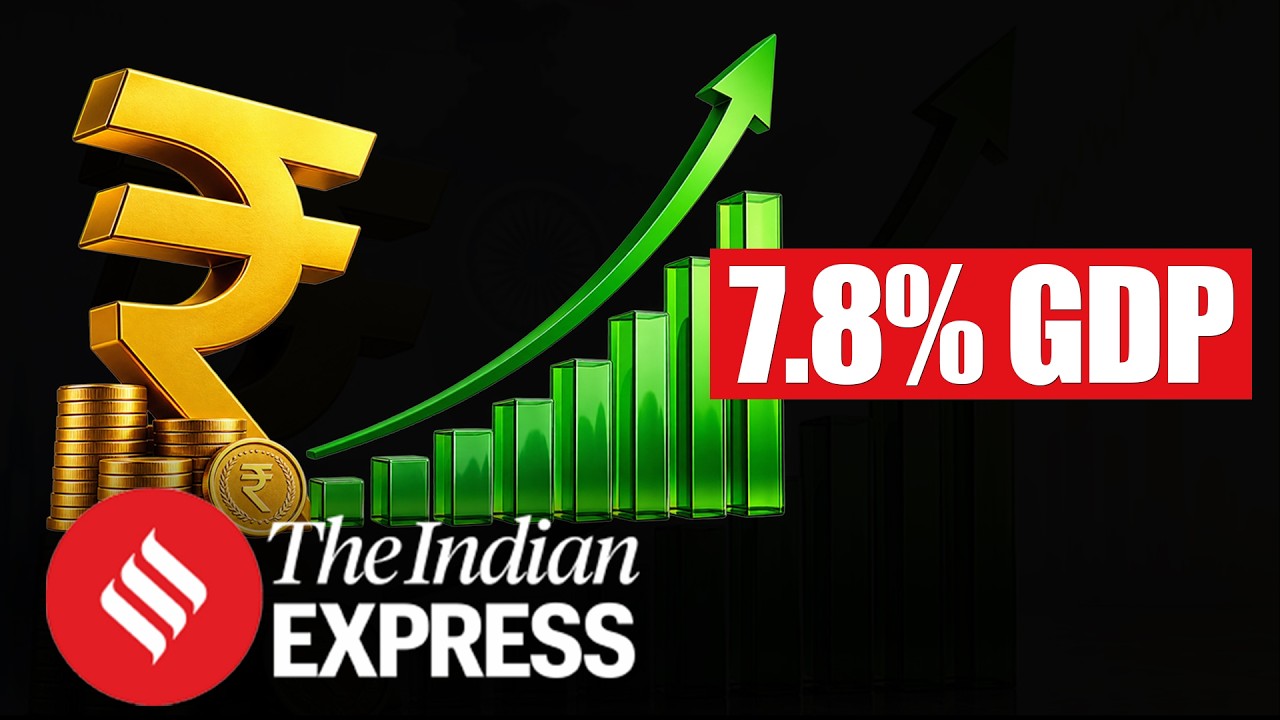
India said its economy grew by about 7.8% in one three-month period.
That is a very strong number by historical standards.
However, many people do not feel that their lives are improving.
Fewer people are working or looking for jobs, and wages have been falling.
Prices, especially food prices, have been rising.
These problems can make families feel poorer even when the economy’s total output grows.
The government also recently changed how it measures GDP.
Some people distrust the new number, while the article says the older system had itself been criticized for overstating growth.
Mahesh Vyas of the Centre for Monitoring Indian Economy said Indian households faced difficult conditions in July 2026.

India’s government reported approximately 7.8% economic growth for the April–June quarter.
The figure comes from a revised GDP series introduced in February alongside reforms to other key economic data.
Critics have previously argued that India’s older GDP series overstated economic output, including concerns raised by academics and the International Monetary Fund.
Employment has stagnated, the labour force has declined, wages have fallen, and consumer sentiment remains negative, according to the article.
Food inflation rose from about 2% in January to more than 5% in July, while average wages declined 1.5% in July, according to cited data.
- Who
- India’s Union government, economic-data critics, households, and experts including Mahesh Vyas.
- What
- The government reported approximately 7.8% GDP growth, but public trust in the figure has weakened because other economic indicators appear poor.
- Where
- India, including the capital where the article says youth protests intensified.
- When
- The growth figure covered April to June; the revised data series was introduced in February, and the cited household conditions refer to July 2026.
- Why
- Employment stagnation, a shrinking labour force, falling wages, rising inflation, and weak consumer sentiment do not match how many people experience the economy.
Official Growth Data
Lived Economic Experience
Meaning of the GDP figure
Official Growth Data
The government’s revised data series indicates that India recorded approximately 7.8% growth, a historically robust rate.
Lived Economic Experience
Critics and members of the public argue that the figure does not match conditions reflected in jobs, wages, inflation, and household sentiment.
Reliability of the revised series
Official Growth Data
The article says the new series was introduced to capture the economy more accurately and that experts are not arguing it is worse than the previous series.
Lived Economic Experience
The first quarterly release under the revised series has faced mistrust, with critics seeking greater transparency and improvements.
Which data should be trusted
Official Growth Data
Supporters of the reported growth rate may rely on the government’s current official series.
Lived Economic Experience
Some people are using last year’s official data as a benchmark, even though that older series had previously been criticized for overstating GDP and has since been discarded.
Key facts
- Reported GDP growth
- Approximately 7.8% for the April–June quarter.
- Data revision
- The government revised the GDP series in February and also revised other key data series.
- Previous criticism
- Academics and international institutions, including the International Monetary Fund, had questioned the older GDP calculations.
- Wage movement
- Average wages declined 1.5% in July, according to the Centre for Monitoring Indian Economy.
- Food inflation
- Food inflation rose from around 2% in January to more than 5% in July.
- Employment
- The article says employment stagnated and the labour force declined.
- Consumer sentiment
- The article reports that consumer-sentiment indicators were in negative territory.
Quotes
Centre for Monitoring Indian Economy (CMIE)
Economic research and data organisation cited for wage statistics
“July 2026 was not the best of times for Indian households. Employment had stagnated and labour force had shrunk. Consumer sentiments were weak and inflation was above 4 per cent for a second consecutive month. This was also the month when the delayed monsoon had seriously hampered the kharif sowing schedule and youth protests in the capital had intensified dramatically.”
 indianexpress.com
“The average wage rate declined by 1.5 per cent in July. This was the fifth monthly decline in the 12-month period ending July. Also, the wage rate has declined twice in the last three months and as a result, the recent three months have been particularly stressful on the wage rate front.”
indianexpress.com
Sources
Related news
Why Distrust Is Undermining India’s Official GDP Data
India's 7.8% GDP Growth Sparks Questions Over Economic Reality
Why India’s 7.8 Percent Growth Does Not Feel Broad-Based
India’s GDP Debate Intensifies as Calls for Data Transparency Grow
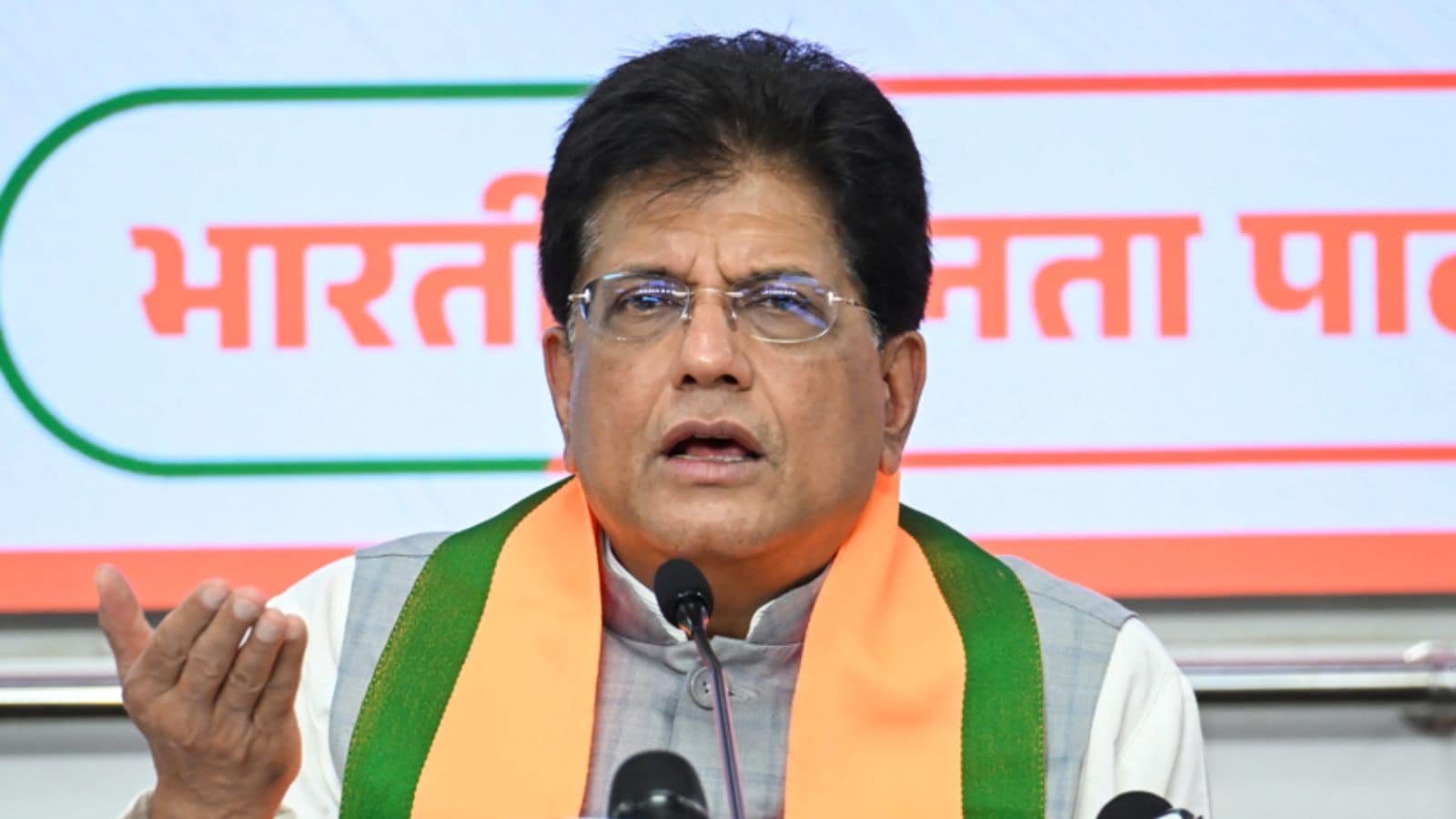
Goyal Defends India’s 7.8% GDP Growth Amid Data Debate
India’s Strong GDP Growth Faces Questions Over Official Data

Amazon Now Hits $1 Billion, Targets 100 Cities by Diwali

Drones and Training Are Reimagining India’s Modern Infantryman

Jefferies’ YouTube Podcast Reference Signals Changing Investor Research

Redmi Note 17 Pro Series Launches With Huge Batteries

Leather Stocks Slide as Export Concerns and FTA Delay Weigh
