3 weeks ago
Banks beef up tech systems to fight cybercrime
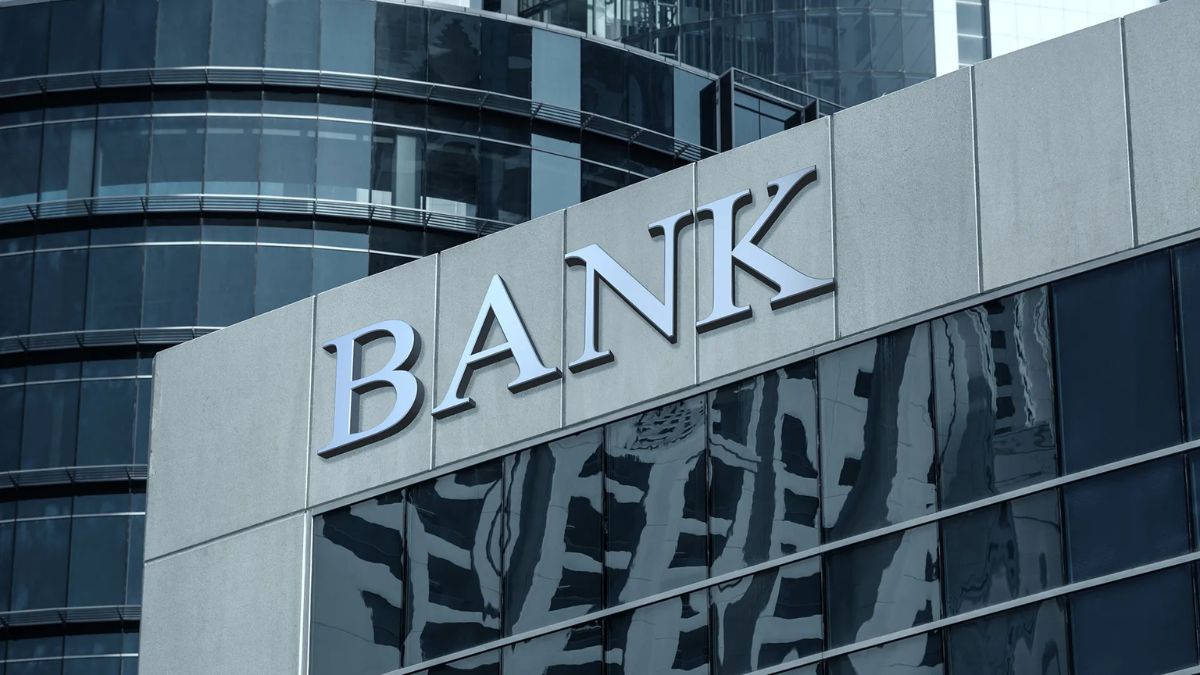
Banks keep people's money and personal information safe on their computers.
A bank in India called Bank of Baroda had a big problem recently when hackers leaked almost one terabyte of customer data on the dark web.
That is a huge amount of information!
The leak started because a worker's email account was hacked.
Now banks across India are making their computer systems stronger to stop attacks.
They are being extra careful with tools like Webex so files can only be accessed through safe office systems.
The Reserve Bank of India, the country's central bank, also asked banks to handle new AI tools carefully.
Computer experts say smart AI programs like 'Mythos' are helping cybercriminals attack faster.
There are not enough cyber experts in India to defend against these threats.
Banks know they must keep improving to protect their customers.

Bank of Baroda suffered a cyberattack that allegedly leaked nearly 1 TB of customer and corporate data on the dark web via an employee's email account.
The breach marked the bank's second cybersecurity incident in three years and prompted Indian banks to heighten vigilance.
Banks are upgrading systems against cyberattacks, system outages, data breaches, third-party vulnerabilities and emerging AI threats, with experts warning that the AI model 'Mythos' is accelerating cybercrime.
In June, the Reserve Bank of India proposed a new AI framework urging banks to adopt proper governance, risk management, controls and continuous oversight.
CERT-In detected 349,000 incidents involving malicious scanning and probing of financial sector services during January–June 2026, down from 570,000 in 2025.
- Who
- Indian banks, including Bank of Baroda, regulators such as the Reserve Bank of India and CERT-In, and cybersecurity experts.
- What
- Banks are upgrading technology systems and security controls after a Bank of Baroda cyberattack allegedly leaked about 1 TB of data on the dark web.
- Where
- India, with the leaked data reportedly posted on the dark web.
- When
- The breach occurred roughly a week before the report (around late July to early August 2026); CERT-In data covers January–June 2026.
- Why
- To counter cyberattacks, system outages, data breaches, third-party vulnerabilities and faster AI-driven threats such as 'Mythos'.
Key facts
- Affected bank
- Bank of Baroda
- Data leaked
- Nearly 1 TB of customer and corporate data
- Origin of breach
- Compromised employee email account
- Bank's incident history
- Second cybersecurity incident in three years
- Financial sector incidents (Jan–Jun 2026)
- 349,000 detected by CERT-In
- Financial sector incidents (2025)
- 570,000 detected by CERT-In
- RBI AI framework
- Proposed in June 2026
- Rising threat
- AI model 'Mythos' accelerating cybercrime velocity
Quotes
Senior official at a large public sector bank
An unnamed senior bank official
“While organisations have strengthened threat detection and identity controls, many still struggle to consistently govern sensitive data once it moves across employees, third-party providers, cloud platforms and AI tools.”
 financialexpress.com
“To avoid such risks, we have disabled Webex storage access, and files can now be accessed only through authorised office systems.”
financialexpress.com
Munjal Kamdar
Partner, Deloitte India
“More new services are being provided to customers. Therefore, the IT infrastructure is never stable, it constantly undergoes change, and it is bound to be vulnerable. Now, the major concern is Mythos, which has accelerated velocity of cybercrimes.”
financialexpress.com
Sources
Related news

RBI governor says large banks' IT systems strong after breach

Hackers dodge digital nets as India faces cyberattack surge

AI-Driven Cyberattacks Force India to Rethink Security

Indian Regulators Tighten Financial Cybersecurity Amid Rising AI Threats

Bank of England Chief Warns AI Cyber Risk Threatens Finance

SBI chairperson warns AI fraud can outrun conventional banking systems

Arunachal Congress Protests FIR Against Rahul Gandhi

Parliament Panel To Examine Fertiliser, Wood Panels And Medicines
Inside India's Parliament, Disruptions Raise Questions About Democratic Accountability

MP Ashok Mittal Calls for National Commission for Men

Amrita Pritam’s Two Delhis: A City Lived, Written, Erased