3 weeks ago
Record $65.6 billion catastrophe bonds shift disaster risk to investors

Some people worry about storms, earthquakes and fires because they can damage homes, roads and whole cities.
Insurance companies help pay for that damage, but the costs can be so huge that one company alone cannot handle them.
So insurance companies came up with an idea called a 'catastrophe bond.'
Investors give money up front, and in return they earn extra money if no big disaster happens.
If a big disaster does happen, the investors' money is used to pay for repairs instead.
It is a bit like betting that a big disaster will not strike.
Investors like this because it can earn them money even when stock markets are doing something different.
In the year to June 2026, a record $65.6 billion worth of these bonds were sold.
New places, such as the Kyrgyz Republic and Tajikistan, are now using them to protect against earthquakes and floods.
India does not have any yet, but the state of Kerala has asked the national government to think about using them.

Insurers issued a record $65.6 billion in catastrophe bonds in the year to June 2026.
Catastrophe bonds pay investors high interest, but their principal can be used to cover disaster claims if losses cross a pre-agreed threshold.
Morningstar found catastrophe bond and insurance-linked securities funds pulled in $10.2 billion in new money over the past three years.
The Asian Development Bank issued its first-ever catastrophe bonds, worth $160 million, in May 2026 to protect the Kyrgyz Republic and Tajikistan.
Wildfire-linked catastrophe bonds are the fastest-growing market segment, with issuance topping $5 billion this year alone.
- Who
- Insurers, reinsurers and governments issue catastrophe bonds, while institutional investors such as pension funds, hedge funds, sovereign wealth funds and specialist ILS managers buy them. The Asian Development Bank issued its first cat bonds, and Kerala has asked India's central government to consider them.
- What
- A record $65.6 billion in catastrophe bonds was issued in the year to June 2026, shifting natural disaster risk from insurers to capital markets.
- Where
- The US, especially California and Florida, remains the dominant market; the market is expanding to the Kyrgyz Republic and Tajikistan, and India's Kerala is considering it.
- When
- In the year to June 2026; the Asian Development Bank's first-ever cat bonds were issued in May 2026.
- Why
- Mounting losses from hurricanes, wildfires and other natural disasters are pushing insurers to shift risk to capital markets, while investors seek high returns that do not move with stock or bond markets.
Key facts
- Record issuance
- $65.6 billion in the year to June 2026
- New fund inflows
- $10.2 billion over the past three years (Morningstar)
- Hurricane Andrew damage
- $27 billion (1992)
- First cat bonds created
- 1997, following Hurricane Andrew
- ADB first cat bonds
- $160 million, issued May 2026 (ADB Vice-President Roberta Casali)
- Wildfire cat bond issuance
- Over $5 billion in the current year
- Typical bond term
- Three to five years
- Kerala budget request
- Catastrophe bonds under consideration for Union Budget 2026-27
Quotes
Roberta Casali
Vice‑President, Asian Development Bank
“Catastrophe bonds have so far delivered on their core promise of providing returns that are driven by catastrophe risk rather than traditional market or macroeconomic factors”
 CNBC TV 18
“When a major earthquake or flood strikes, it can set back development by years”
CNBC TV 18
Sources
Related news
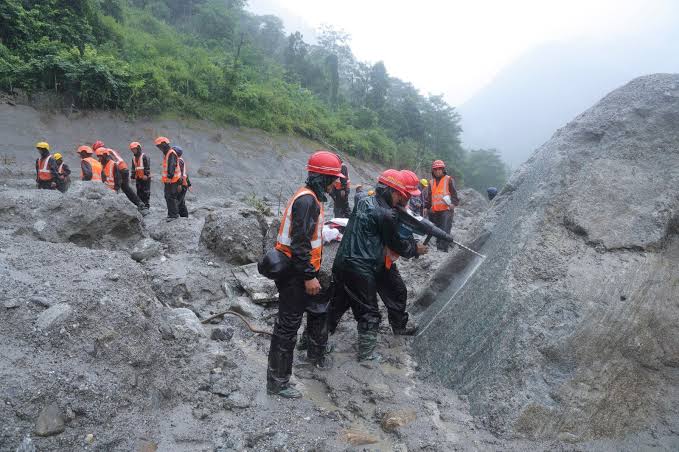
Himalayan Flood Disaster Renews Calls For Climate Insurance

AIG beats second-quarter profit estimates on robust underwriting

Why HDFC Bank Faces Questions Over Life Settlement Funds

India Regulator Allows Insurers to Invest in NDB Rupee Bonds

Nepal Flood Hits Hydropower Projects and Stock Market

Greece wildfires heatwaves pose growing fiscal risk, adviser says

Bargarh Woman Becomes District’s First Female Commercial Pilot

Sam Altman Says AI Capabilities and Safeguards Must Advance Together

Sony and Warner Sue Anthropic Over AI Music Training
Mother Bear And Three Cubs Rescued From California Water Tank
Overnight Rescue Saves Climber Trapped On Narrow Ledge