3 weeks ago
Greece wildfires heatwaves pose growing fiscal risk, adviser says

In Greece, summers are getting hotter, and wildfires and heatwaves are happening more often.
The man who gives economic advice to Greece's leader says these disasters could cost the country a lot of money, now and for many years to come.
Other countries around the Mediterranean Sea could face the same problem.
Many people visit Greece for holidays, so when disasters happen, the country can lose money.
The government wants to build better water and energy systems in places tourists love, like Mykonos and Santorini.
Long, hot summers also mean tourists stay longer, from April to November.
To pay for these new projects, Greece wants to collect more taxes from people who do not pay taxes now.
The government is also trying to get more homes and businesses to buy insurance to help after disasters.
Greece is not planning to use special disaster bonds yet, but the idea is being considered.
Next month, the prime minister will announce tax rewards for businesses and workers, though he promises to stay careful with money.

Michael Arghyrou, the prime minister's chief economic adviser, said wildfires and heatwaves pose a growing medium- and long-term fiscal risk for Greece and the wider Mediterranean area.
Greece is investing in water and energy infrastructure in tourism hotspots from Mykonos to Santorini, as well as Epirus, the North Aegean islands, Thessaloniki, Crete, Rhodes and the Peloponnese.
Interest from Christopher Nolan's film "The Odyssey" is fueling tourism in some regions, while hotter summers extend the tourist season from April to October or November.
Arghyrou declined to say how much public funding would be allocated, but said additional investment would be financed largely through higher tax revenues from a crackdown on Greece's informal economy.
Greece has no plans to issue catastrophe bonds but is exploring incentives to boost insurance coverage among households and businesses against climate-related losses.
- Who
- Michael Arghyrou, chief economic adviser to Greek Prime Minister Kyriakos Mitsotakis.
- What
- Warned that wildfires and heatwaves pose a growing medium- and long-term fiscal risk and outlined government investment and insurance measures.
- Where
- Greece and the wider Mediterranean area, with investment targeting Mykonos, Santorini, Epirus, the North Aegean islands, Thessaloniki, Crete, Rhodes and the Peloponnese.
- When
- The warning was reported on August 12; tax incentives are expected to be announced next month ahead of a general election next year.
- Why
- Because climate-related events are becoming more frequent and severe, threatening Greece's tourism-dependent economy and creating longer-term fiscal risks.
Key facts
- Chief economic adviser
- Michael Arghyrou
- Prime Minister
- Kyriakos Mitsotakis
- Risk assessment
- Wildfires and heatwaves pose a growing medium- and long-term fiscal risk for Greece and the wider Mediterranean
- Investment targets
- Mykonos, Santorini, Epirus, North Aegean islands, Thessaloniki, Crete, Rhodes, Peloponnese
- Funding
- Largely higher tax revenues from crackdown on informal economy; amount not disclosed
- Catastrophe bonds
- No plans to issue, though the idea merits consideration
- Insurance
- Exploring incentives to boost coverage among households and businesses
- Upcoming measures
- Tax incentives for businesses, workers and self-employed next month, ahead of general election next year
Quotes
Michael Arghyrou
Prime Minister Kyriakos Mitsotakis’ chief economic adviser
“These events are becoming a more significant and, in many respects, more frequent and severe risk phenomenon. This is a medium, long-term fiscal risk, not just for Greece, but the whole of the Mediterranean area.”
 theprint.in
Sources
Related news
Elderly couple die as wildfires sweep Greek island of Salamina

Two die as fast-moving wildfires sweep Greek island of Salamina

Europe's worst wildfire season signals need for climate adaptation
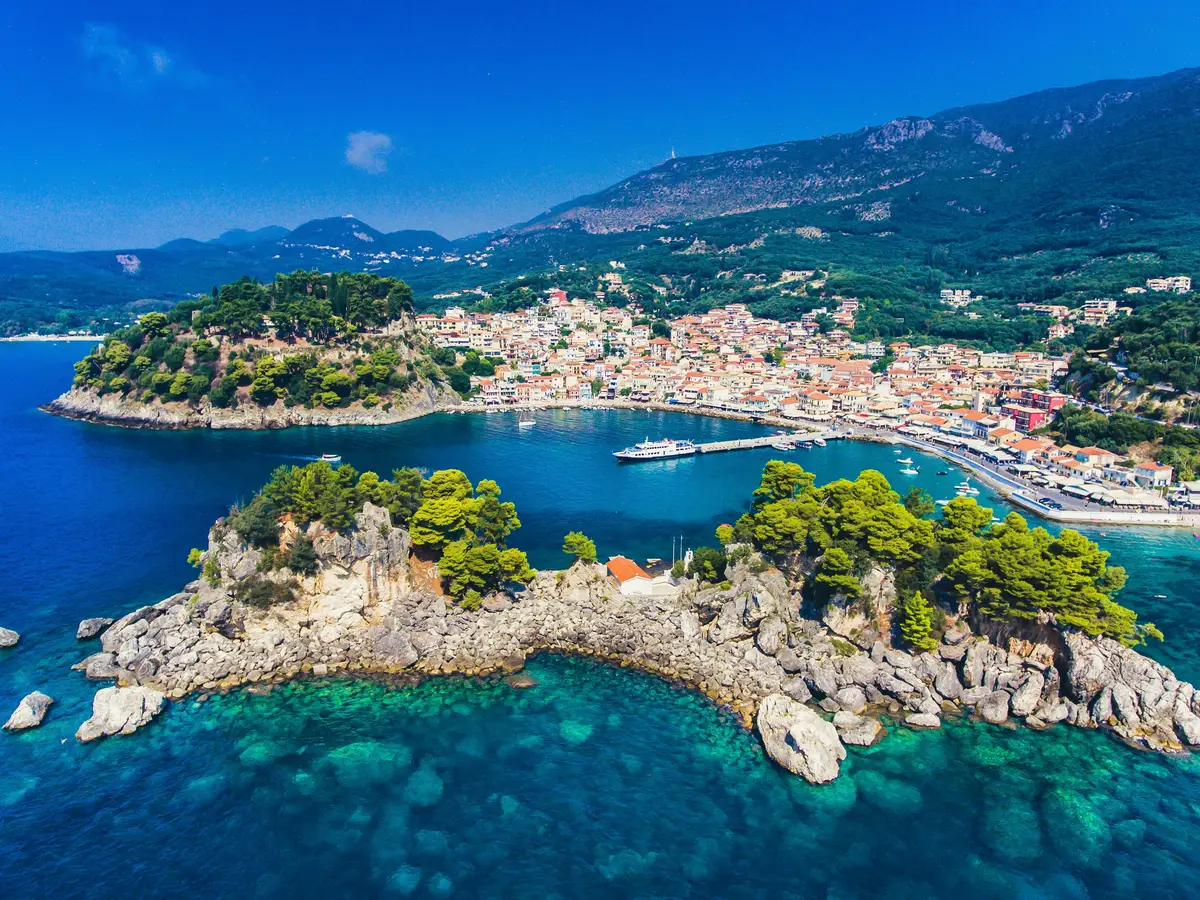
Greece Offers Skiing, Ancient Sites, Hiking, and Winter City Breaks
Record heat in Austria, Hungary curbs power as Europe swelters

Zendaya Steps Back From Social Media At 30

Ram Gopal Varma Defends Allu Aravind Amid Yash Controversy

Ram Gopal Varma Backs Allu Aravind in Yash Stardom Debate

Emily Wilson Retranslates The Odyssey Nearly a Decade Later

Spider-Man Holds North American Box Office Lead for Fifth Weekend