3 weeks ago
High cholesterol from birth: a lifelong fight against inherited LDL

Some people are born with a condition called familial hypercholesterolemia.
It runs in families and makes the body keep too much "bad cholesterol" in the blood.
Bad cholesterol is like sticky stuff that can block the pipes that carry blood to the heart.
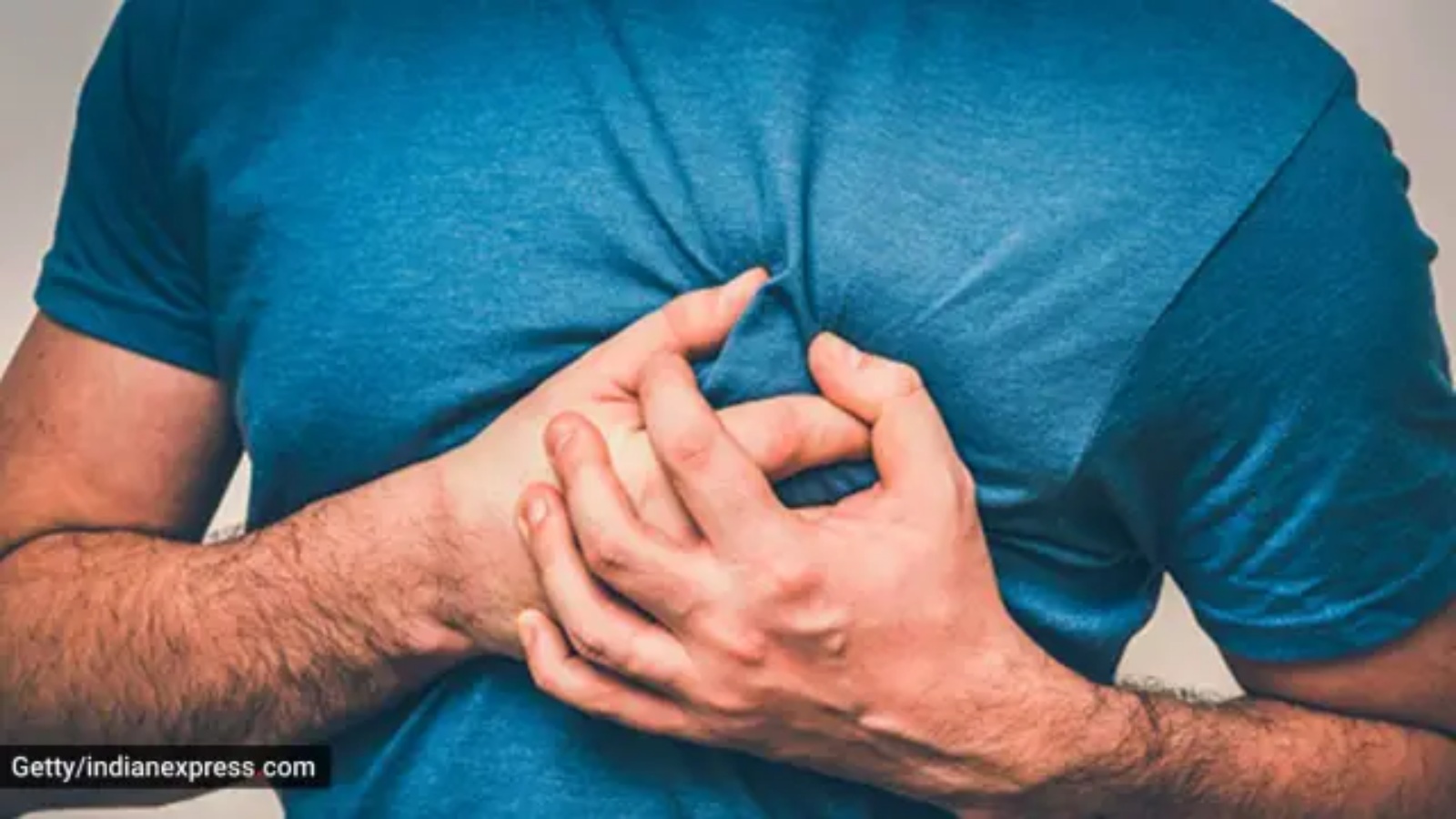
When the pipes get blocked, people can get heart attacks even when they are young.
The article tells the story of three people in India who have this condition.
One man was just eight years old when he started taking medicine for it.
Another man had a heart attack when he was 38 even though he ate healthy and never smoked.
The medicines that work best are very expensive and many families cannot afford them.
A new pill, just approved in America, might help more people in the future.
Doctors say families with this condition should get their blood checked early so they can start treatment in time.

Familial hypercholesterolemia is an inherited genetic condition that causes very high LDL or "bad" cholesterol, leading to a high risk of early heart disease and stroke.
The story follows three Indian patients across generations: 27-year-old Pritam Chawla, Gurugram businessman Saket Sharma, who had his first heart attack at 38, and 72-year-old Sunil Bhatt, who had suffered three silent heart attacks.
Healthy habits alone rarely control the condition; lifelong medication, including statins and newer injectables that block PCSK9, is required to keep LDL low.
The most effective medicines are among the costliest — injectables can cost up to Rs 40,000 per month (about ₹5 lakh annually) — forcing many patients to stretch finances or settle for less effective alternatives.
Merck's new oral pill Lipfendra (generic name enlicitide), which lowers LDL by about 60%, has been approved by the US FDA and may reach India after regulatory approvals.
- Who
- Pritam Chawla (27), Saket Sharma (first heart attack at 38) and 72-year-old Sunil Bhatt — three Indian patients with familial hypercholesterolemia — along with cardiologists Dr Gautam Naik of Apollo Heart Clinic, New Delhi, and Dr Manish Bansal of Medanta, Gurugram.
- What
- Living with familial hypercholesterolemia, an inherited genetic condition that causes dangerously high LDL cholesterol and requires lifelong, often costly medication to prevent early heart disease and stroke.
- Where
- India, including New Delhi and Gurugram.
- When
- From childhood to the present: Pritam was diagnosed at age eight, Saket had heart attacks and stenting in 2004 and 2014, and Sunil Bhatt was hospitalized last year after symptoms that began around 2015.
- Why
- Gene changes passed down in families stop the body from removing extra cholesterol from the blood, so LDL builds up from childhood and healthy habits alone are rarely enough to control it.
Key facts
- Condition
- Familial hypercholesterolemia — an inherited genetic condition causing very high LDL ('bad') cholesterol
- LDL target
- Below 50 mg/dL for patients with other personal risk factors or early signs of heart disease
- Injectable cost
- Up to Rs 40,000 per month for fortnightly dosing; about ₹5 lakh per year
- New oral drug
- Lipfendra (enlicitide) by Merck; lowers LDL by about 60%; US FDA-approved but not yet available in India
- Pritam Chawla
- Cholesterol still at 450 mg/dL at age 27 despite medication since childhood
- Saket Sharma
- First heart attack at 38; angioplasty twice (2004 and 2014); now on inclisiran, a twice-yearly injectable
- Sunil Bhatt
- Suffered three silent heart attacks; 95% blockages found in two major coronary arteries
- Screening advice
- Baseline health assessment including lipid profile from the 20s; children with family history tested from age 2 (American Heart Association guidelines)
Quotes
Dr. Manish Bansal
Senior Director of Cardiology, Medanta, Gurugram
“People living with familial hypercholesterolemia can never let their guard down as they are required to keep their LDL to below 50 mg/dL if other personal risk factors or early signs of heart disease are present. First is a constant lifestyle check. Second is managing drugs.”
 indianexpress.com
“I still feel lethargic and I can’t do heavy exercise either. I probably need to change my drug combination again.”
indianexpress.com
Sources
Related news

FDA-approved oral pill Lipfendra could change bad cholesterol treatment

US Cholesterol Guidelines Call for Earlier, More Personalized Screening
One-Shot Gene Therapy Cuts Bad Cholesterol, But Risks Remain

Single-Shot Gene Editing Treatment Targets Cholesterol Through PCSK9

Why Young Adults Should Check Heart Health Before 25

Body Signals That Show When You Need More Rest

JP Nadda Undergoes Coronary Angiography at AIIMS, Explain Doctors
Can Smartwatches Really Tell If Your Heart Is Healthy?