

2 weeks ago
One-Shot Gene Therapy Cuts Bad Cholesterol, But Risks Remain
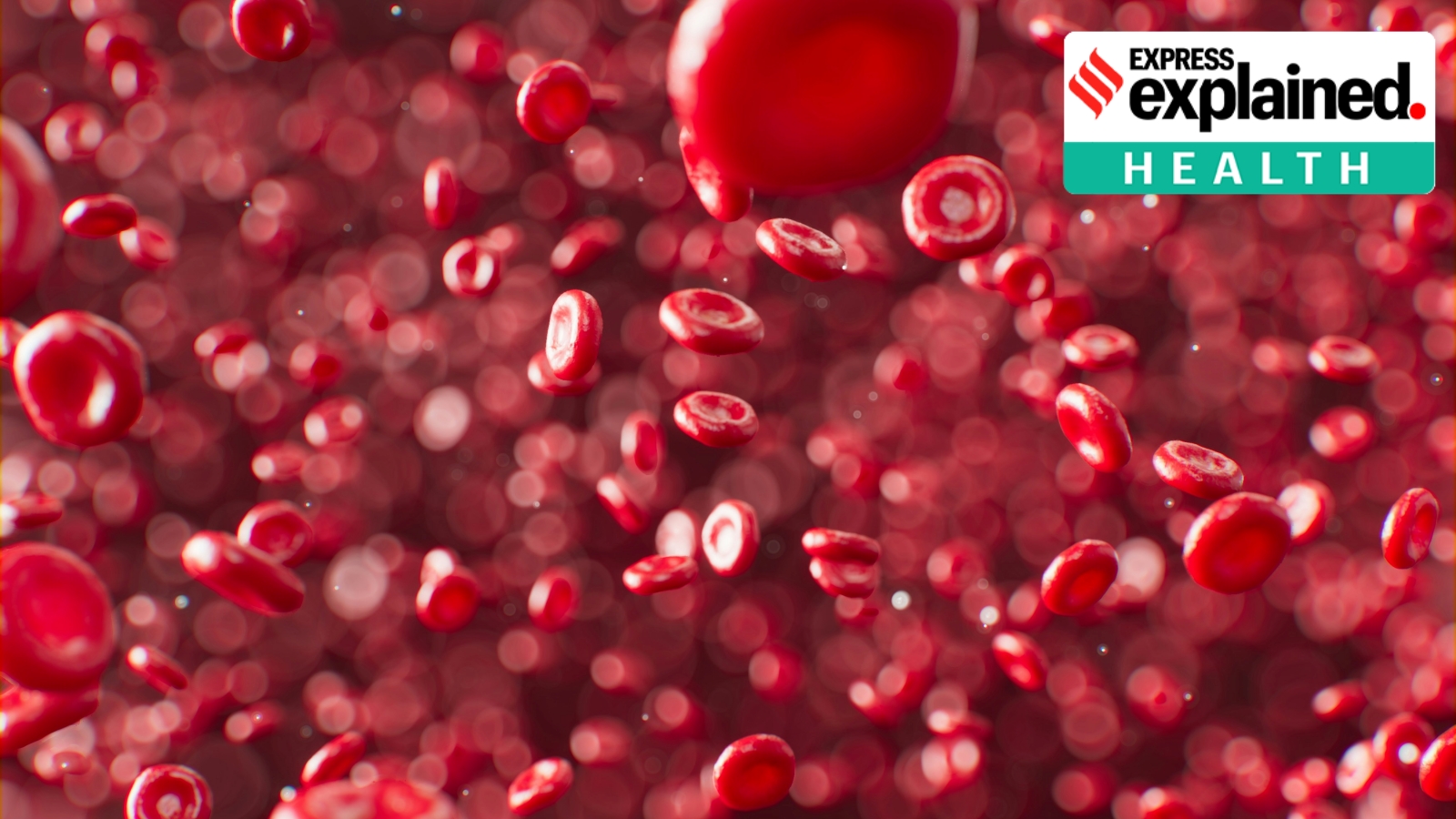
LDL is often called bad cholesterol because it can build up inside blood vessels.
This buildup can make heart attacks and strokes more likely.
VERVE-102 is an experimental treatment given through one intravenous infusion.
It uses gene-editing instructions to change liver cells so they make less of a protein called PCSK9.
Lower PCSK9 can help reduce LDL in the blood.
In an early trial, LDL fell by about 60% to 62% and stayed lower for up to 18 months in the reported follow-up.
This could be helpful for people who have difficulty taking pills or receiving repeated injections.
However, researchers have not yet shown that VERVE-102 prevents heart attacks or strokes.
They also need to study whether making a permanent genetic change is safe over many years.

Experimental therapy VERVE-102 lowered LDL cholesterol by roughly 60% to 62% after one infusion.
The treatment is designed to permanently switch off the PCSK9 gene in liver cells.
The strongest-dose group saw PCSK9 levels fall about 88% and LDL drop approximately 78 mg/dL after four weeks.
Some participants maintained reduced PCSK9 and LDL levels for at least one year, with follow-up extending to 18 months.
The therapy has not yet been proven to prevent heart attacks or strokes and remains investigational.
- Who
- Eli Lilly and Verve Therapeutics are developing VERVE-102, with Professor David E. Newby among the phase 1 trial co-authors.
- What
- An experimental one-time gene-editing infusion designed to permanently reduce PCSK9 activity and lower LDL cholesterol.
- Where
- The therapy is administered directly into the body through an intravenous infusion; the article does not specify a trial location.
- When
- The reported trial results include measurements after four weeks and follow-up lasting as long as 18 months.
- Why
- The goal is to provide lasting cholesterol reduction without the repeated pills or injections required by conventional treatments.
Potential benefits
Safety and evidence concerns
One-time treatment
Potential benefits
A single infusion could offer lasting LDL reduction and help people who struggle with daily tablets, repeat prescriptions, or regular injections.
Safety and evidence concerns
Because the genetic change is intended to be permanent, researchers must monitor patients closely for long-term consequences.
Expected cardiovascular benefit
Potential benefits
Existing evidence shows that lowering LDL reduces cardiovascular risk, and PCSK9-blocking medicines reduce heart attacks, making a benefit from VERVE-102 considered likely.
Safety and evidence concerns
VERVE-102 itself has not yet been shown in large trials to prevent heart attacks or strokes.
Who should receive it
Potential benefits
People with familial hypercholesterolemia or very high cardiovascular risk could gain the most and may be considered first.
Safety and evidence concerns
The treatment should not yet replace statins, ezetimibe, PCSK9 inhibitors, or inclisiran while its long-term safety and effectiveness remain uncertain.
Key facts
- Therapy
- VERVE-102
- Treatment type
- In vivo gene editing delivered through a single intravenous infusion
- Target
- The PCSK9 gene in liver cells
- LDL reduction
- Approximately 62% in the highest-dose group after four weeks
- PCSK9 reduction
- About 88% in the highest-dose group after four weeks
- Average LDL decrease
- Approximately 78 mg/dL
- Longest reported follow-up
- 18 months
- Current status
- Promising but unproven; it has not yet been shown to prevent heart attacks or strokes
Quotes
Professor David E Newby
British Heart Foundation Duke of Edinburgh Chair of Cardiology and co‑author of the VERVE‑102 phase 1 trial
“In traditional treatment, you keep taking the medicine to keep the effect of lowering LDL. In VERVE-102, you make a one‑time targeted change to DNA …”
 indianexpress.com
Sources
Related news

Single-Shot Gene Editing Treatment Targets Cholesterol Through PCSK9

FDA-approved oral pill Lipfendra could change bad cholesterol treatment

High cholesterol from birth: a lifelong fight against inherited LDL

US Cholesterol Guidelines Call for Earlier, More Personalized Screening

New Study Links Statins to 15% Lower Dementia Risk
Eli Lilly’s Mounjaro Approved to Reduce Cardiovascular Risks

UPSC Weekly Quiz Tests Ten Key Current Affairs Topics

UPSC Key: Gene Therapy, Tribunals, Nuclear Rules and Trade
