1 week ago
China Builds Carrier Pilot Pipeline Amid Growing Naval Ambitions
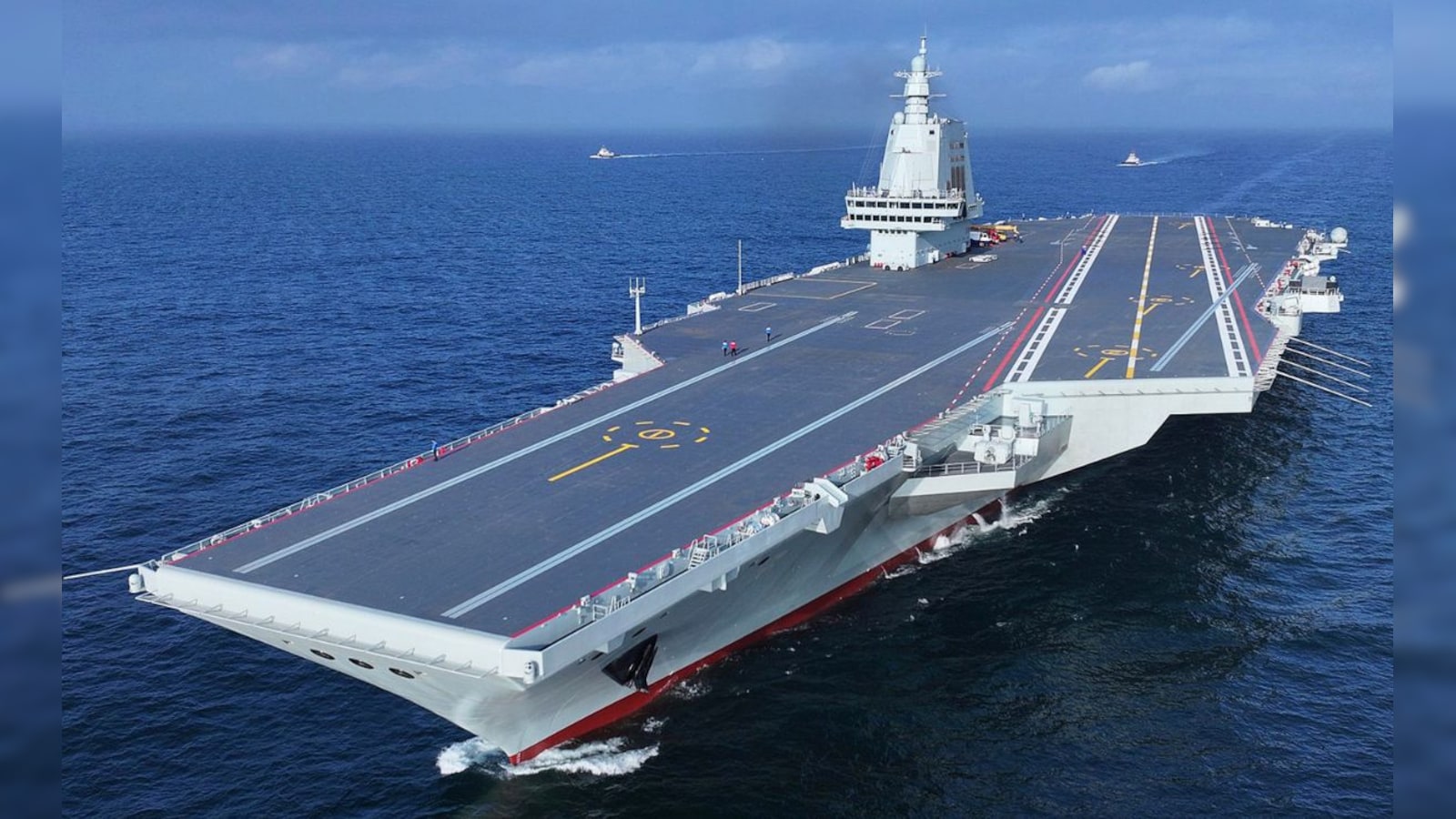
China is building more aircraft carriers and making them more advanced.
To use these ships well, it needs many trained people, not just ships and airplanes.
The navy is recruiting experienced pilots as well as young people who can be trained from the beginning.
It is also seeking people from universities and introducing female carrier-pilot cadets.
Training pilots takes time, and experienced instructors are especially important.
China must also train crews who maintain aircraft and operate the carrier deck.
The article says China may be able to build ships faster than it can develop experienced carrier teams.
It argues that India should improve its own pilots, trainers, crews, and training facilities.
The main lesson is that effective carrier power depends on people and institutions as much as hardware.

The People's Liberation Army Navy is developing a permanent system to recruit and train carrier aviators.
Since 2019, China has combined experienced naval pilots with recruits trained for carrier aviation from the outset.
Recruitment now includes high-school graduates, naval aviation students, university graduates, and female cadets.
China's expanding carrier fleet requires more pilots, instructors, deck crews, maintainers, and specialist personnel.
The analysis argues India should strengthen its own carrier-aviation ecosystem rather than focus only on fleet numbers.
- Who
- The People's Liberation Army Navy, with implications for India and the Indian Navy.
- What
- China is expanding a permanent recruitment and training pipeline for carrier aviation personnel.
- Where
- China's carrier aviation system, with potential implications for Chinese operations in the Indian Ocean.
- When
- The dual-track recruitment approach has expanded since 2019; the article describes the programme as entering a new phase.
- Why
- China needs enough trained and experienced personnel to operate increasingly sophisticated carrier air wings at a sustained tempo.
Hardware-Centered Assessment
Human-Capital Assessment
How to measure carrier power
Hardware-Centered Assessment
China's carrier progress can be assessed primarily through ships, aircraft, displacement, and weapons.
Human-Capital Assessment
The article argues that fleet numbers alone are insufficient; operational proficiency, personnel, training, and logistics determine effective carrier power.
China's expansion
Hardware-Centered Assessment
Building additional carriers and sophisticated aircraft is the central indicator of naval growth.
Human-Capital Assessment
The more consequential development may be China's effort to institutionalise a long-term pipeline of pilots, instructors, crews, and commanders.
India's response
Hardware-Centered Assessment
India could focus mainly on matching China's carrier numbers and hardware.
Human-Capital Assessment
The analysis recommends that India strengthen its broader carrier ecosystem, including personnel, training cycles, maintenance, airborne early warning, logistics, and doctrine.
Key facts
- Naval force
- People's Liberation Army Navy
- Recruitment model
- A dual-track system combining experienced naval aviators with recruits trained specifically for carrier aviation.
- Recruitment sources
- High-school graduates, naval aviation students, university graduates in science and engineering, and other military and civilian candidates.
- New recruitment group
- China has introduced female carrier-pilot cadets.
- Carrier development
- The article identifies Liaoning, Shandong, and Fujian as stages in China's carrier programme.
- Personnel needs
- Carrier operations require pilots, instructors, deck crews, maintainers, commanders, and specialist personnel.
- Indian response
- The analysis recommends improving India's carrier pilots, instructors, deck crews, training infrastructure, and carrier-capable trainer capability.
Sources
Related news
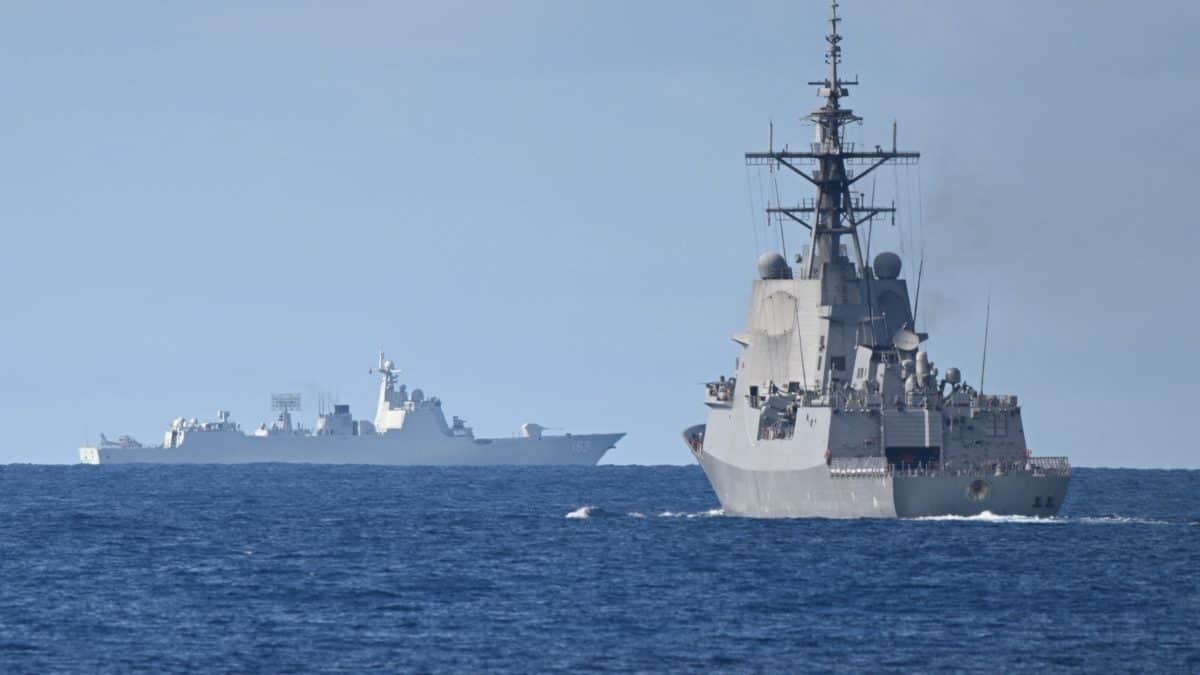
China’s Indian Ocean Expansion Drives India’s Fleet Buildup
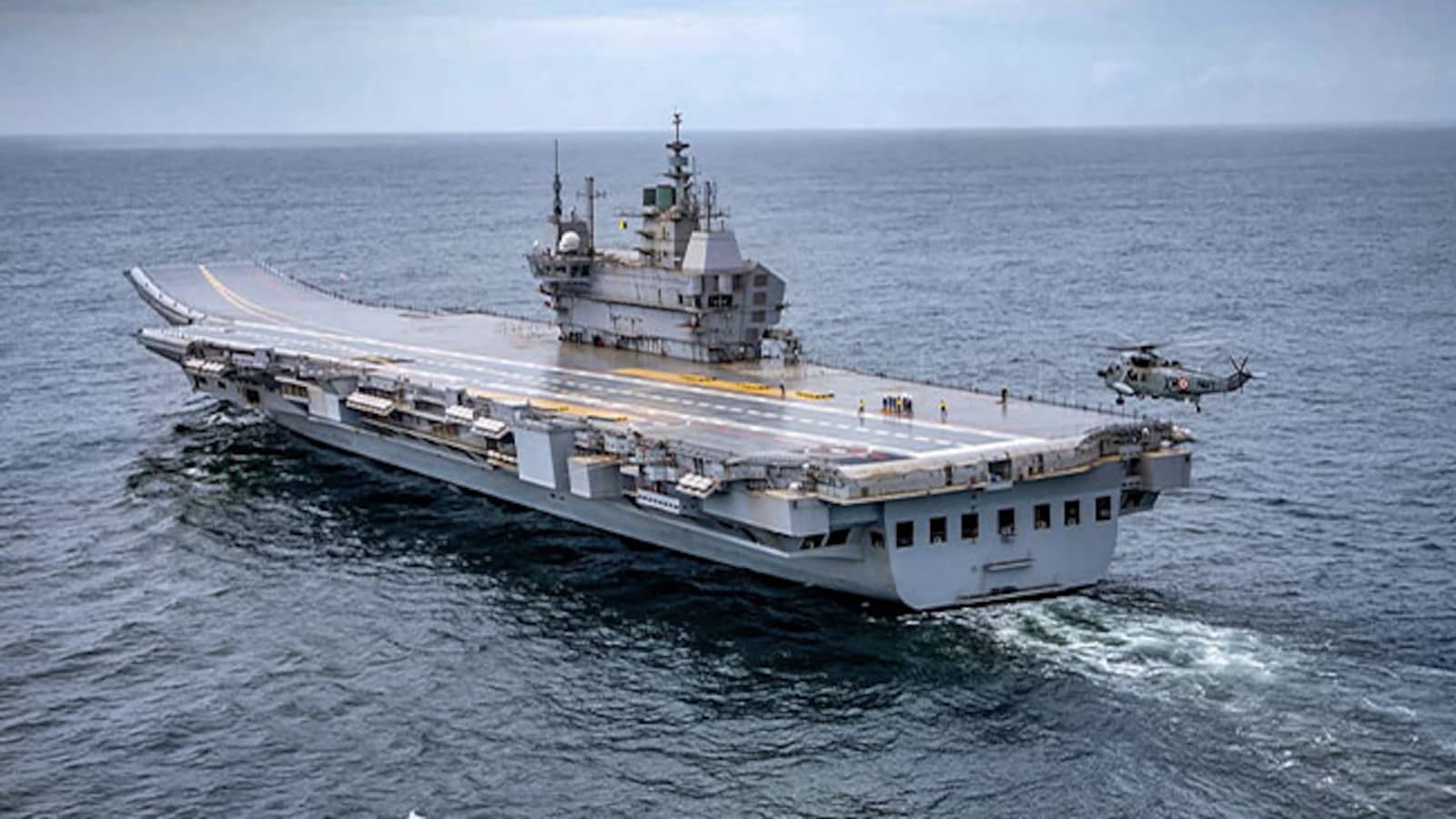
India's Carrier Dilemma Deepens as China's Fujian Nears Readiness
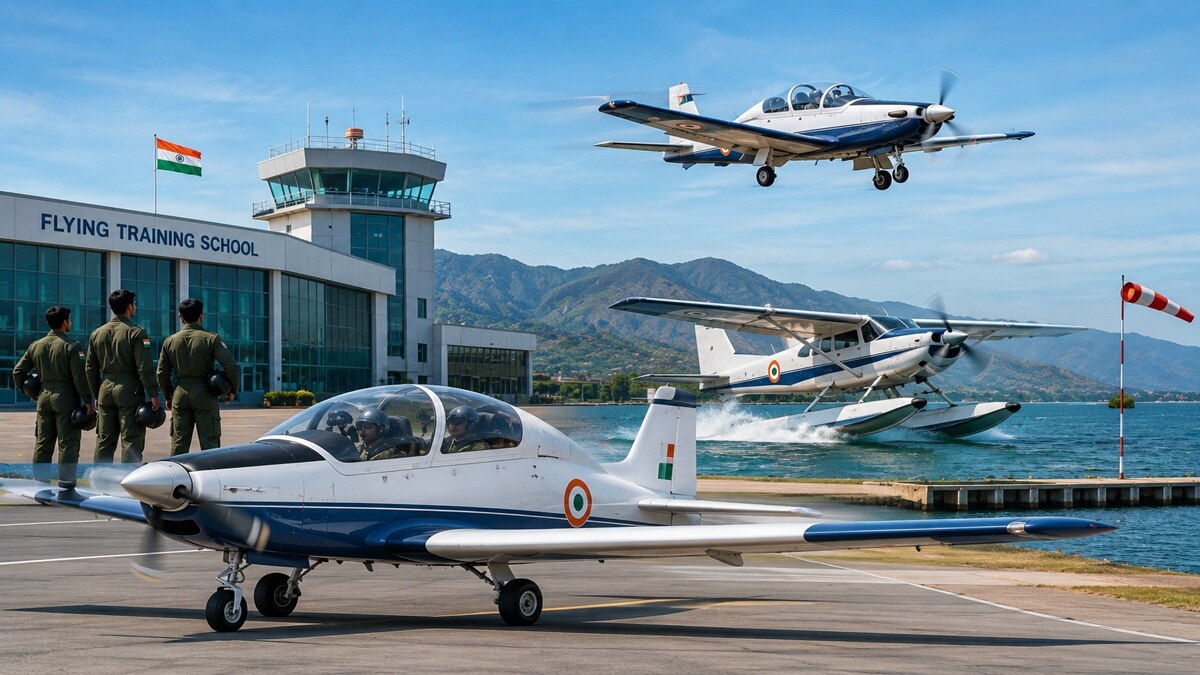
Government pushes 'Train in India, Fly in India' aircraft plan

Ex-Air Force Vice Chief Questions Tejas Mk-2 Frontline Future
Pakistan's China-backed western build-up, Saudi-Turkey pact, India's air shield
India Expands Defence Self-Reliance as Regional Security Ties Deepen

China Transforms Banks and Nightclubs Into Marriage Registry Offices

Husband Climbs Into Sewage Shaft to Aid Injured Wife
China's Reliance on Iranian Oil Amid Escalating Tensions