1 day ago
Japan Eases Overtime Rules, Raising Workaholic Culture Fears
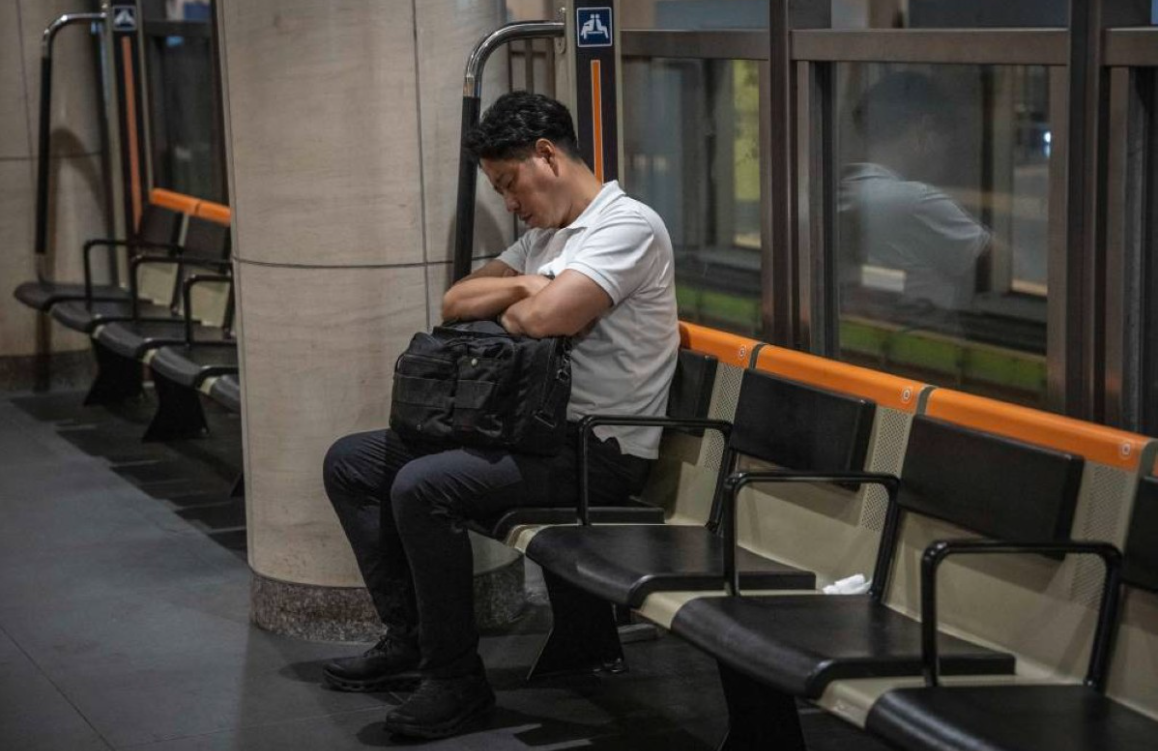
Japan is changing how it advises companies about overtime work.
Companies will no longer be pressured to keep monthly overtime below 45 hours.
Some businesses say this limit makes it harder to operate because they do not have enough workers.
The government hopes more flexible rules will help the economy grow.
However, working too much can cause serious health problems or even death.
Japan has spent years trying to reduce its long-hours work culture.
A trade union says the new policy moves in the wrong direction.
The labor ministry says it will still intervene when workers face serious health risks.

Japan will stop pressuring companies to follow a 45-hour monthly overtime cap starting Tuesday.
The change aims to support economic growth and give businesses more flexibility amid labor shortages.
About 40 percent of Japanese businesses have agreements allowing up to 100 hours of monthly overtime.
Supporters say the previous guidance restricted about 20 percent of small and midsized businesses, especially in construction, transport and hospitality.
Trade unions warn the policy could revive excessive work hours, while the labor ministry says it will monitor health risks.
- Who
- The Japanese government, businesses, the labor ministry and trade unions are involved; Prime Minister Sanae Takaichi leads the government.
- What
- Japan is easing overtime oversight by ending pressure on companies to observe a 45-hour monthly cap.
- Where
- Japan.
- When
- The change takes effect Tuesday.
- Why
- The government says the change can support economic growth and help businesses facing labor shortages, while critics fear it will increase excessive work.
Business Flexibility Supporters
Workplace Safety Critics
Overtime limits
Business Flexibility Supporters
Some businesses and business groups say the 45-hour guidance restricts activity, particularly in industries facing labor shortages.
Workplace Safety Critics
Trade union Zenroren says removing pressure to shorten work hours is an unacceptable reversal of workplace reform.
Economic growth versus work-life balance
Business Flexibility Supporters
The government included more flexible work rules in its growth strategy and says they can help spur the economy.
Workplace Safety Critics
Critics fear the change could revive Japan’s long-hours, workaholic corporate culture and increase health risks.
Government oversight
Business Flexibility Supporters
The labor ministry says the new approach can coexist with protections for employees and continued monitoring.
Workplace Safety Critics
Critics argue that ending the 45-hour pressure weakens a policy designed to reduce excessive working hours.
Key facts
- Monthly overtime guidance
- Authorities had advised companies to cap overtime at 45 hours per month.
- Legal overtime agreements
- About 40 percent of businesses operate under agreements legally allowing up to 100 hours of monthly overtime.
- Businesses affected
- A Japan Chamber of Commerce and Industry survey found the guidance restricted activity at around 20 percent of small and midsized businesses.
- Short-staffed sectors
- Construction, transport and hospitality were identified as especially affected.
- Health risk
- Excessive overtime can increase the risk of karoshi, or death from overwork.
- Government safeguards
- The labor ministry says it will continue monitoring companies and providing guidance when excessive work threatens employee health.
Quotes

Japan’s labour ministry
Japan’s government ministry responsible for labour policy
“continue to provide the necessary guidance if there is a high risk that health problems caused by excessive work may arise”
 deccanchronicle.com
“This is an unacceptable shift away from, and abolition of, the policy that urged companies to shorten work hours”
deccanchronicle.com
Sources
Related news

Worker’s Unpaid Overtime Sparks Debate After 15-Minute Delay

French fine on Infosys highlights India-Europe gap on working hours

Chinese Workers Find Brussels Ally as EU-China Trade Tensions Rise

Rajasthan Approves New Wage Rules, Caps Weekly Work Hours at 48
Japan’s farmers shift to nighttime work as heat intensifies

Japan Cricket Boss Defends Asian Games Facilities Against Concerns

Mitsubishi Revives Pajero With 201PS Fifth-Generation SUV

Europe's Bond Selloff Deepens as Middle East Tensions Lift Oil

Uday Kotak Warns Global Bond Markets Face Roller-Coaster Volatility

Global Bond Sell-Off Pushes Japan Yields To 30-Year High