

1 day ago
India Seeks Sustainable Path for Chabahar Port Amid Iran War
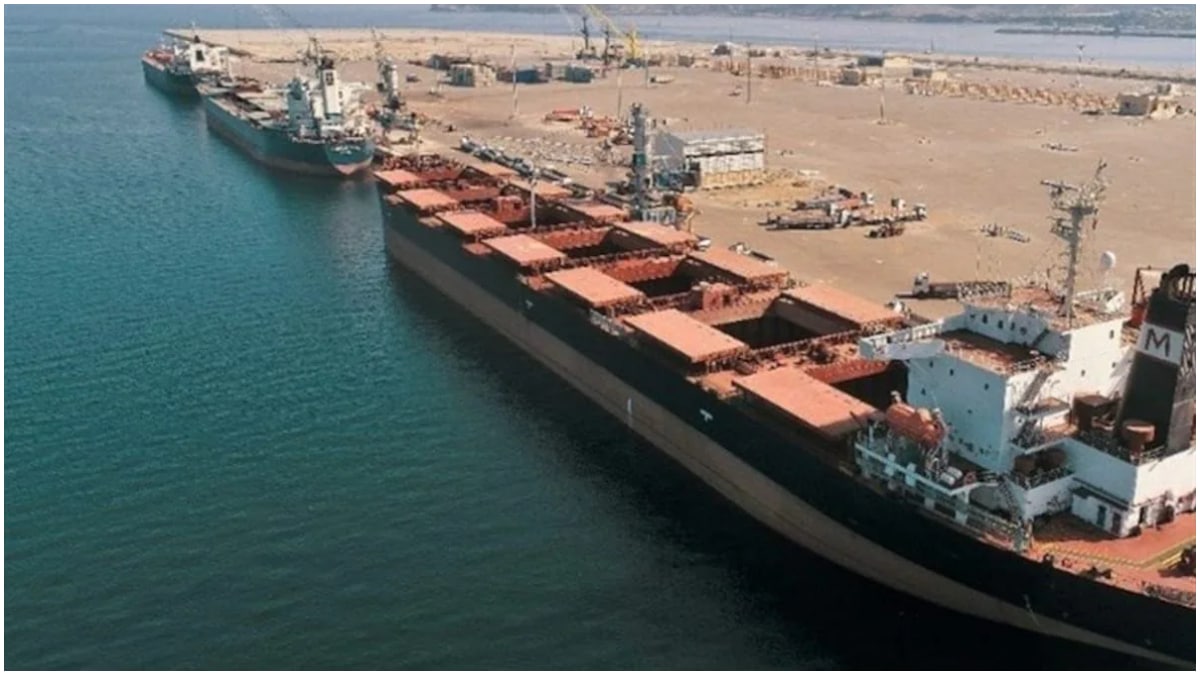
India has been helping develop a port in Iran called Chabahar.
The port could give India a trade route to Afghanistan and Central Asia without using Pakistan.
However, the United States has sanctions against Iran and no longer gives India a special waiver for working at the port.
A continuing war involving the United States, Israel, and Iran has made the project even harder.
Fighting and attacks on ships have also killed and endangered Indian sailors.
India has paid the money it promised and moved some workers away from the port.
It is now discussing what to do with Iran and other countries.
India also wants to keep trading with Iran while avoiding penalties from the United States.
Officials say they are seeking a sustainable way to continue the project.

India remains in talks with Iran and other stakeholders to preserve its Chabahar Port project.
The United States revoked India’s sanctions waiver for Chabahar, which expired without renewal on April 26, 2026.
India has prepaid its committed investment, withdrawn some personnel, and considered transferring its terminal stake to an Iranian entity.
The continuing US-Israel conflict with Iran, attacks on shipping, and sanctions have made the port’s future more uncertain.
Tensions with Washington also involve India’s purchases of Russian crude, although the US tariff on Indian goods was later reduced to 18 percent.
- Who
- India, Iran, the United States, and other stakeholders involved in Chabahar Port.
- What
- India is seeking a sustainable way forward for its Chabahar Port project despite sanctions and the Iran conflict.
- Where
- Chabahar Port on Iran’s Gulf of Oman coast; the diplomatic discussions followed a meeting in Bishkek, Kyrgyzstan.
- When
- Talks were reported on Monday; the US sanctions waiver expired on April 26, 2026, after the conflict began on February 28, 2026.
- Why
- The port is strategically important to India as a route to Afghanistan and Central Asia, but sanctions, war, and attacks on commercial shipping have disrupted cooperation.
India’s Strategic and Diplomatic Case
US Sanctions and Security Concerns
Keeping Chabahar Operating
India’s Strategic and Diplomatic Case
India says the port remains strategically important for access to Afghanistan and Central Asia and is continuing discussions for a sustainable way forward.
US Sanctions and Security Concerns
US sanctions and the end of the waiver expose companies and governments involved in the project to international trading and financial risks.
Relations with Iran
India’s Strategic and Diplomatic Case
India maintains that its long-term involvement and ties with Iran justify finding a way to preserve the project while supporting regional peace efforts.
US Sanctions and Security Concerns
The United States has pursued a maximum-pressure campaign against Tehran and argues that continued pressure is necessary over Iran’s conduct and nuclear program.
Commercial Shipping During the Conflict
India’s Strategic and Diplomatic Case
India has protested attacks affecting commercial ships and called for protection of shipping after Indian seafarers were killed.
US Sanctions and Security Concerns
The United States has continued military operations and blockades connected to the conflict, while arguing that Iran must not acquire a nuclear weapon.
Key facts
- Port agreement
- India signed a 10-year contract in May 2024 to operate the Shahid Beheshti terminal.
- Indian funding
- India allocated Rs 400 crore between FY17 and FY24 and another Rs 400 crore in FY26.
- Planned investment
- India committed more than $120 million for equipment and a $250 million credit line for connectivity projects.
- Sanctions waiver
- The US waiver allowing India’s Chabahar work expired on April 26, 2026, and was not renewed.
- Strategic purpose
- Chabahar provides India with a route toward Afghanistan and Central Asia without relying on Pakistan.
- Seafarer casualties
- By July, at least 13 Indian seafarers had been killed and three were missing since the war began.
- US tariff
- A bilateral deal announced on February 2, 2026, reduced the US tariff on Indian goods to 18 percent.
Quotes

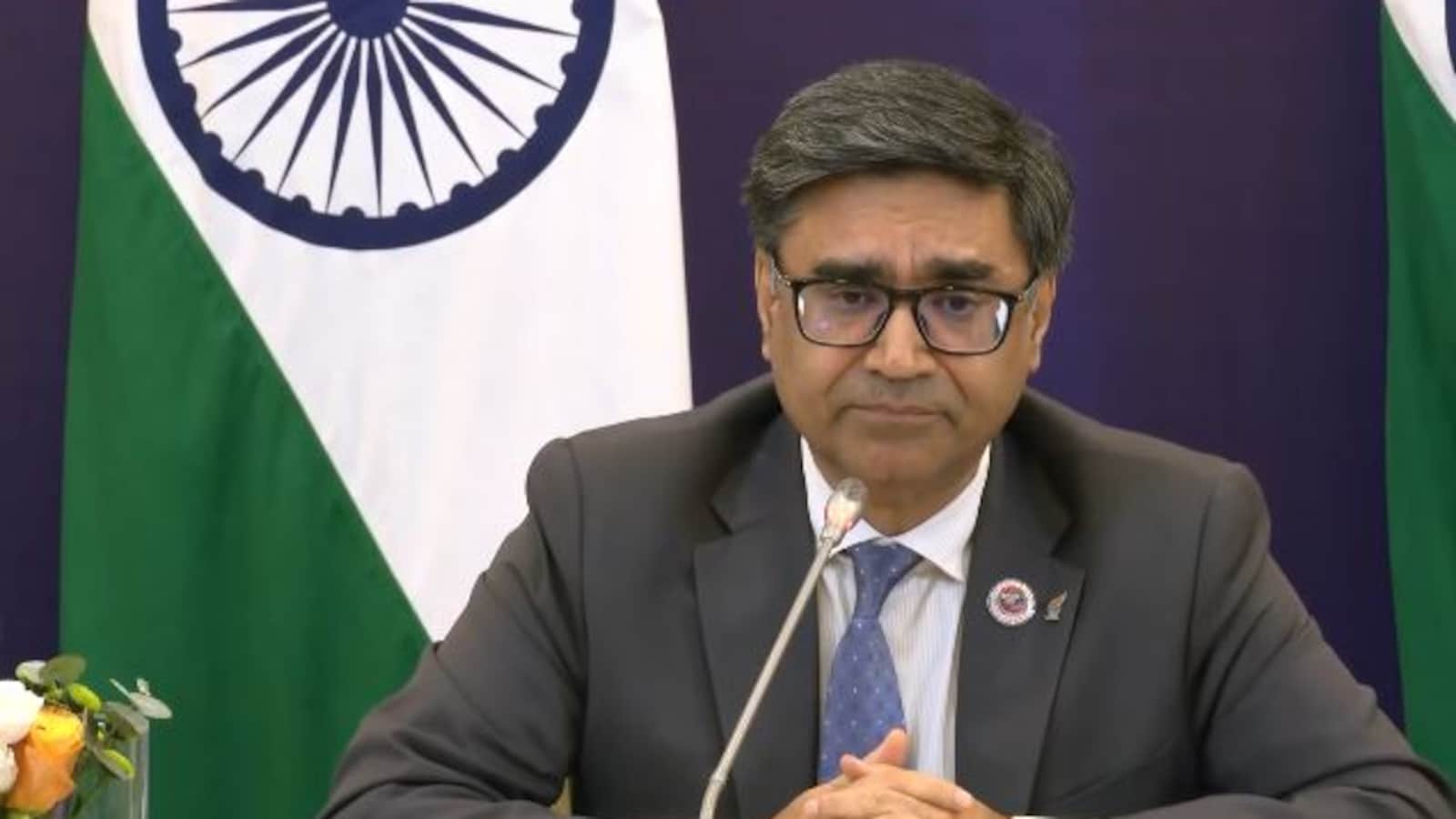
Vikram Misri
India’s Foreign Secretary commenting on the country’s long involvement in the Chabahar Port project
“As you are aware, we have been associated with this project over a long period of time”
 financialexpress.com

Masoud Pezeshkian
Iran’s president speaking to Prime Minister Narendra Modi about the conflict
“the continuation of the war is in no one’s interest”
financialexpress.com
Sources
Related news
India Seeks Sustainable Path for Chabahar Port Amid Tensions
India Repatriates Over 4,000 Seafarers Amid Iran-US Conflict
US Iran Sanctions Threaten India Trade and Chabahar Plans
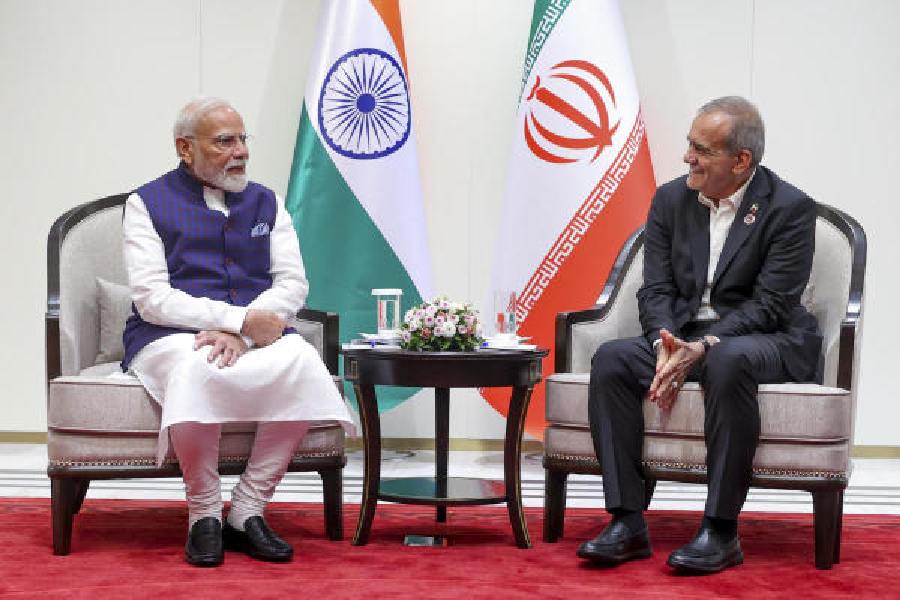
Modi signals expanded Iran trade amid renewed US sanctions
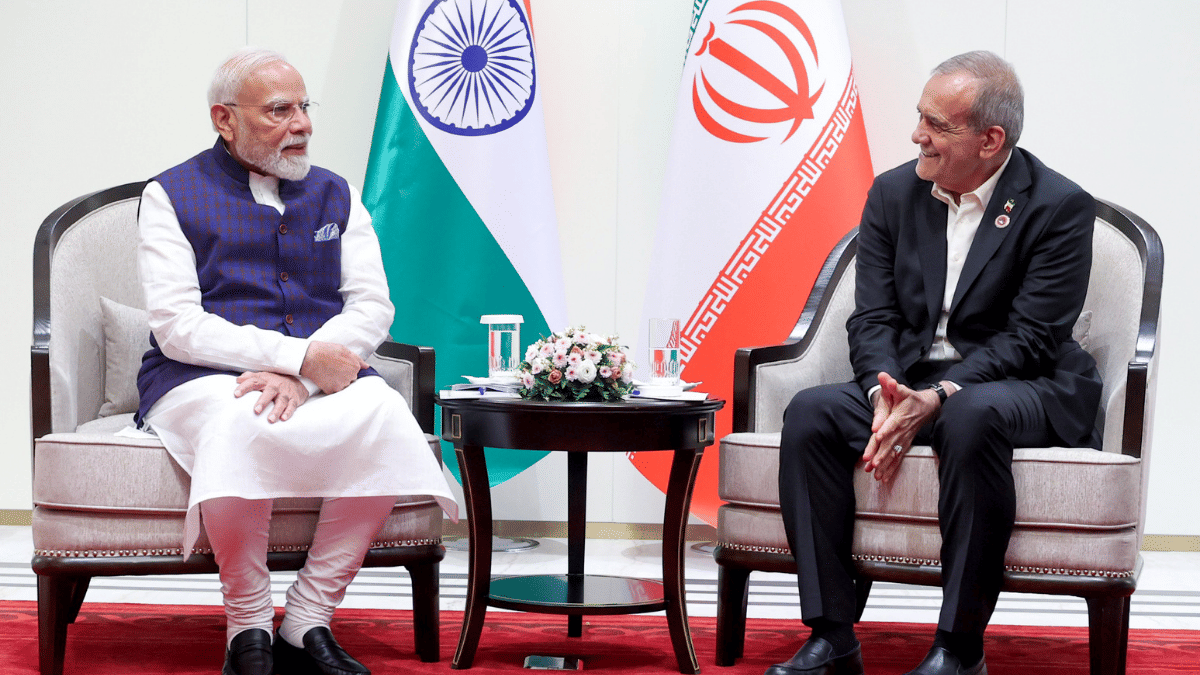
Modi, Pezeshkian Discuss West Asia Peace at SCO Summit

Iran Asks Modi to Use India’s Reach to End War
India's 7.8% GDP Growth Sparks Questions Over Economic Reality

Congress Questions Haryana’s Falling Sex Ratio Despite Beti Bachao
Three Killed, Several Injured in Rewa Bus Collision

West Bengal Plans Mega Durga Puja Show at Eden Gardens
NVIDIA CEO urges Indian startups to build local AI economy
