1 week ago
U.S. Reports Redirecting 68 Vessels Amid Iran Blockade Tensions
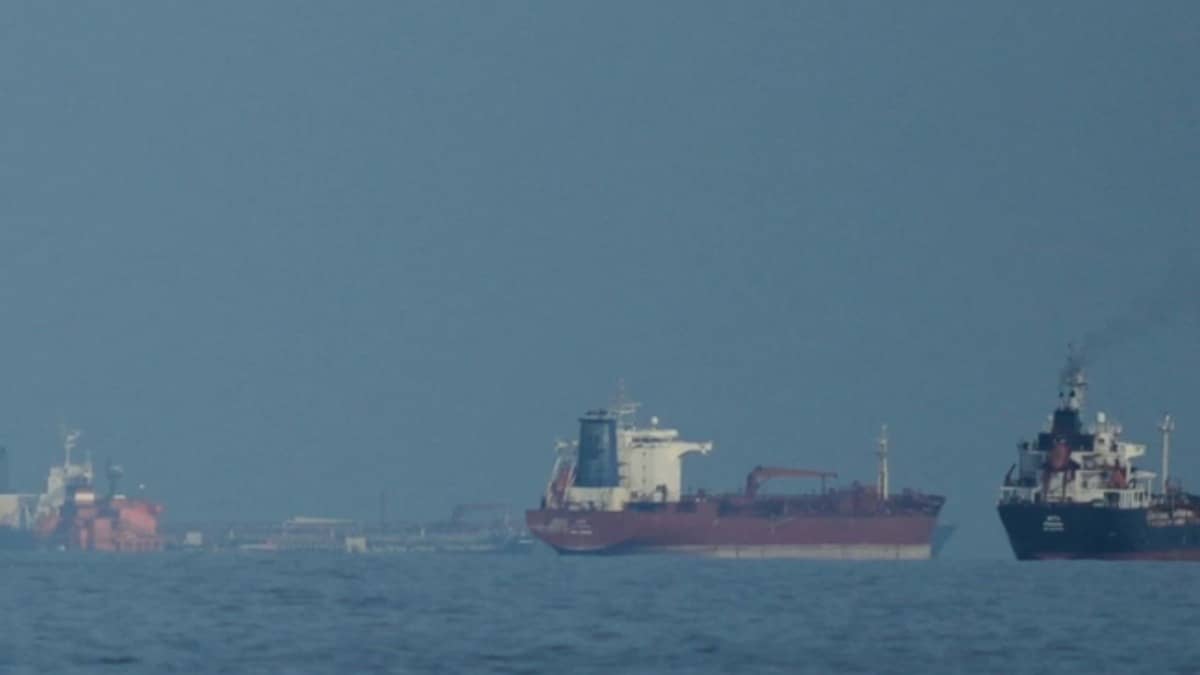
The United States says it is using ships and aircraft near Iran to enforce a blockade.
The operations are happening near the Strait of Hormuz, an important route for energy shipments.
U.S. Central Command said American forces redirected 68 commercial ships by Aug.
21.
It also said three ships were disabled and two were boarded.
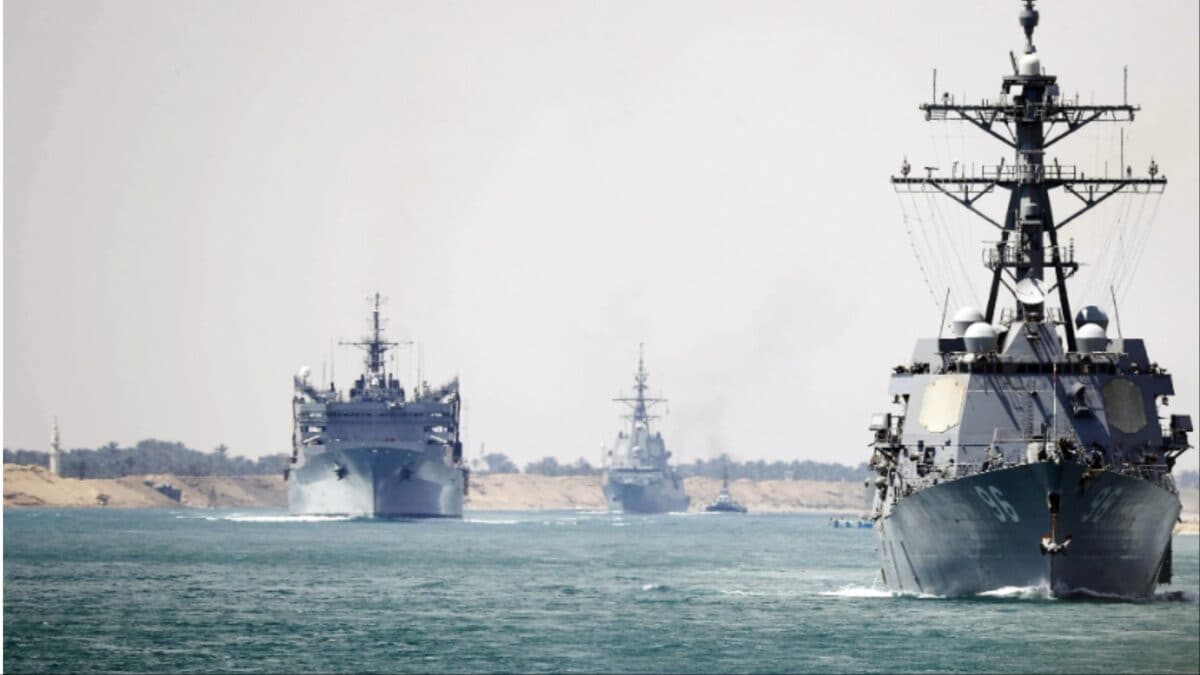
More than 20 warships are involved, including the USS Ross.
Aircraft from the USS Boxer were also supporting the operations in the Arabian Sea.
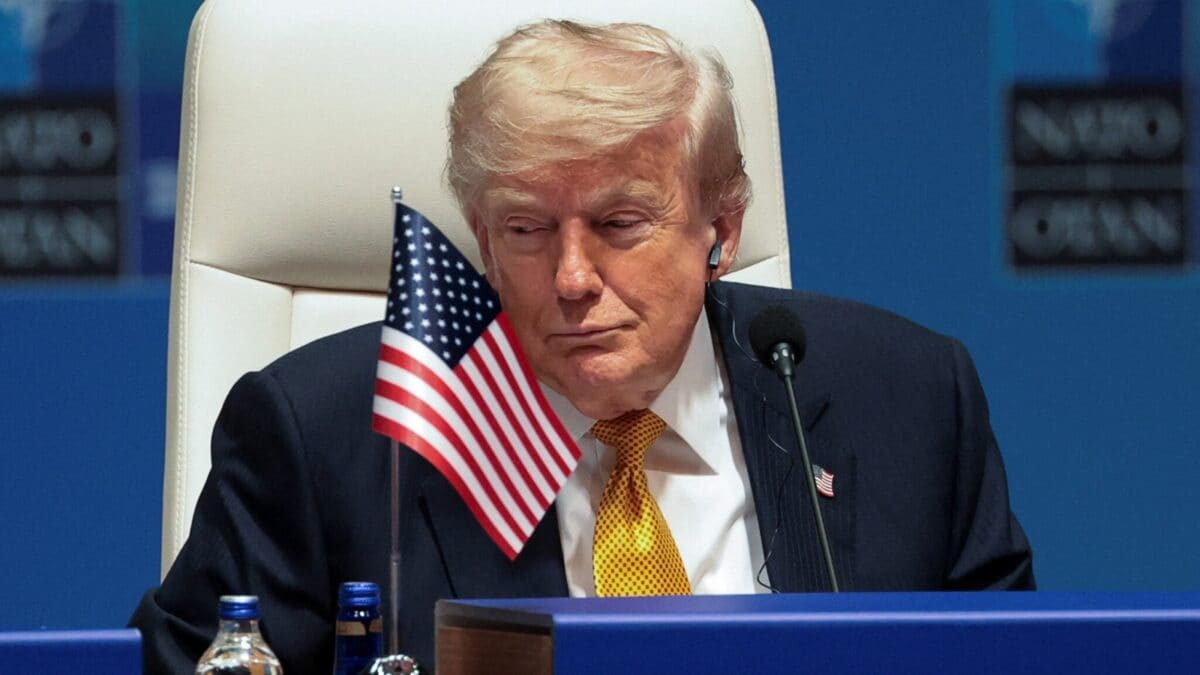
President Donald Trump said Iran was not ready to make what he called the right agreement.
Iran’s foreign minister criticized the U.S. economic pressure campaign and said it would not succeed.

CENTCOM said U.S. forces had redirected 68 commercial vessels, disabled three and boarded two as of Aug. 21.
More than 20 warships, including USS Ross, are supporting the reported U.S. blockade against Iran.
CENTCOM said USS Boxer-based MV-22B Osprey aircraft were supporting operations in the Arabian Sea.
The maritime operations come amid heightened Washington-Tehran tensions around the Strait of Hormuz.
President Donald Trump defended pressure on Iran, while Foreign Minister Seyed Abbas Araghchi called the approach unsuccessful.
- Who
- U.S. forces, the United States government and Iranian officials, including President Donald Trump and Foreign Minister Seyed Abbas Araghchi.
- What
- U.S. Central Command reported redirecting 68 commercial vessels, disabling three and boarding two during operations described as enforcing a blockade against Iran.
- Where
- The operations involve the Strait of Hormuz and the Arabian Sea, with ships including USS Ross and USS Boxer participating.
- When
- The figures were reported as of Aug. 21; a previous CENTCOM update gave figures as of Aug. 20.
- Why
- CENTCOM said the actions were intended to ensure commercial vessels’ compliance, while the United States described its broader operations as protecting maritime security and international energy routes.
United States position
Iranian position
Maritime operations
United States position
CENTCOM said the vessel interceptions and related naval activity were necessary to ensure compliance and support a blockade against Iran.
Iranian position
The article reports Iranian criticism of Washington’s pressure campaign, but does not provide a detailed Iranian response specifically addressing the vessel actions.
Economic pressure
United States position
Donald Trump said the United States was targeting Iran’s economic lifelines and warned entities supporting Tehran of severe economic consequences.
Iranian position
Seyed Abbas Araghchi called the campaign a failed approach and said U.S. pressure policies would not succeed.
Regional control and shipping
United States position
Trump said the United States had control of the region connected to the Strait of Hormuz, while Washington accused Iran of trying to restrict shipping linked to U.S.-allied countries.
Iranian position
Iran rejected the U.S. pressure approach, according to Araghchi, who also accused Washington of using the announcement to distract from its own economic challenges.
Key facts
- Vessels redirected
- 68 commercial vessels as of Aug. 21
- Vessels disabled
- 3
- Vessels boarded
- 2
- Participating warships
- More than 20, according to CENTCOM
- Aircraft reported
- MH-60R Sea Hawk and MV-22B Osprey aircraft
- U.S. ships named
- USS Ross and USS Boxer
- Main maritime area
- Strait of Hormuz and Arabian Sea
Quotes

US Central Command (CENTCOM)
The US military command overseeing American operations in the region.
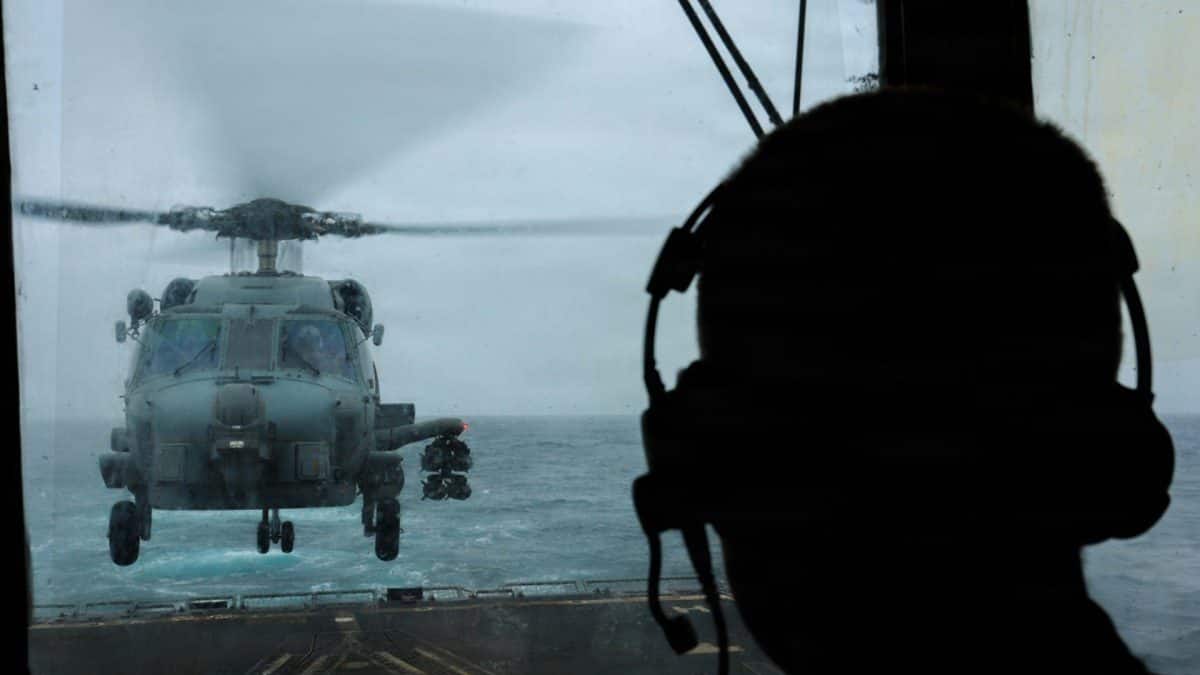
“U.S. Sailors observe an MH-60R Sea Hawk landing on the flight deck aboard USS Ross (DDG 71). Ross is one of more than 20 warships supporting the U.S. blockade against Iran. As of Aug. 21, U.S. forces have redirected 68 commercial vessels, disabled 3 and boarded 2 to ensure compliance.”
 republicworld.com
“We're just going to sort of see what happens, and we have total control, as you know, of the border; we have total control -- if you look at the blockade, we have total control of that entire region having to do with the Strait of Hormuz”
republicworld.com
Sources
Related news
US Redirects 70 Vessels Amid Iran Strait Blockade
US enforces Iran blockade, redirects 55 vessels as tensions rise

US, Iran Clash Over Control of Strait of Hormuz

Hegseth: US can sustain Iran naval blockade indefinitely amid standoff
White House Says US Controls Strait of Hormuz

Iran Seizes Fuel-Smuggling Vessel in Gulf, Arrests 11 Crew
Trump Floats Renaming Strait of Hormuz as “Trump Strait”

Chevron Plans $7 Billion Venezuela Expansion Amid U.S. Oil Push
Saudi Tanker Hit in Hormuz, Killing Two Filipino Sailors
U.S.-Iran Exchange Escalates Across Middle East, Markets Slide