1 week ago
India and Russia Set $100 Billion Trade Target by 2030

India and Russia want to do much more business with each other.
Their shared goal is to reach $100 billion in trade by 2030.
S. Jaishankar said both countries need to make trading easier.
This could mean opening markets and reducing trade barriers.
They also want better ways to make payments.
Businesses in both countries are expected to work more closely.
The countries are discussing a possible free-trade agreement with the Eurasian Economic Union.
They are also cooperating in areas such as energy, space, railways and fertilizers.

S. Jaishankar called for faster progress on India-Russia trade priorities.
The countries aim to reach $100 billion in bilateral trade by 2030.
Proposed measures include improving market access and removing tariff and non-tariff barriers.
Officials discussed stronger payment systems and deeper business-to-business engagement.
Cooperation also covers energy, nuclear power, space, railways, fertilizers, connectivity and skills mobility.
- Who
- India and Russia, represented at the commission by External Affairs Minister S. Jaishankar and other officials.
- What
- The countries discussed measures to expand bilateral trade and reach a shared $100 billion trade target by 2030.
- Where
- The meeting location is not specified.
- When
- At the 27th India-Russia Inter-Governmental Commission meeting; no date is specified.
- Why
- To address the current trade imbalance and strengthen economic, technological and other cooperation.
Key facts
- Trade target
- $100 billion in India-Russia bilateral trade by 2030
- Meeting
- 27th India-Russia Inter-Governmental Commission on Trade, Economic, Scientific, Technological and Cultural Cooperation
- Trade priorities
- Market access, tariff and non-tariff barriers, payment mechanisms and business-to-business engagement
- Agreement under discussion
- An India-Eurasian Economic Union Free Trade Agreement
- Cooperation areas
- Energy, nuclear, metallurgy, space, railways, fertilizers, skills mobility, connectivity and payment systems
- Trade challenge
- The current bilateral trade imbalance
Sources
Related news
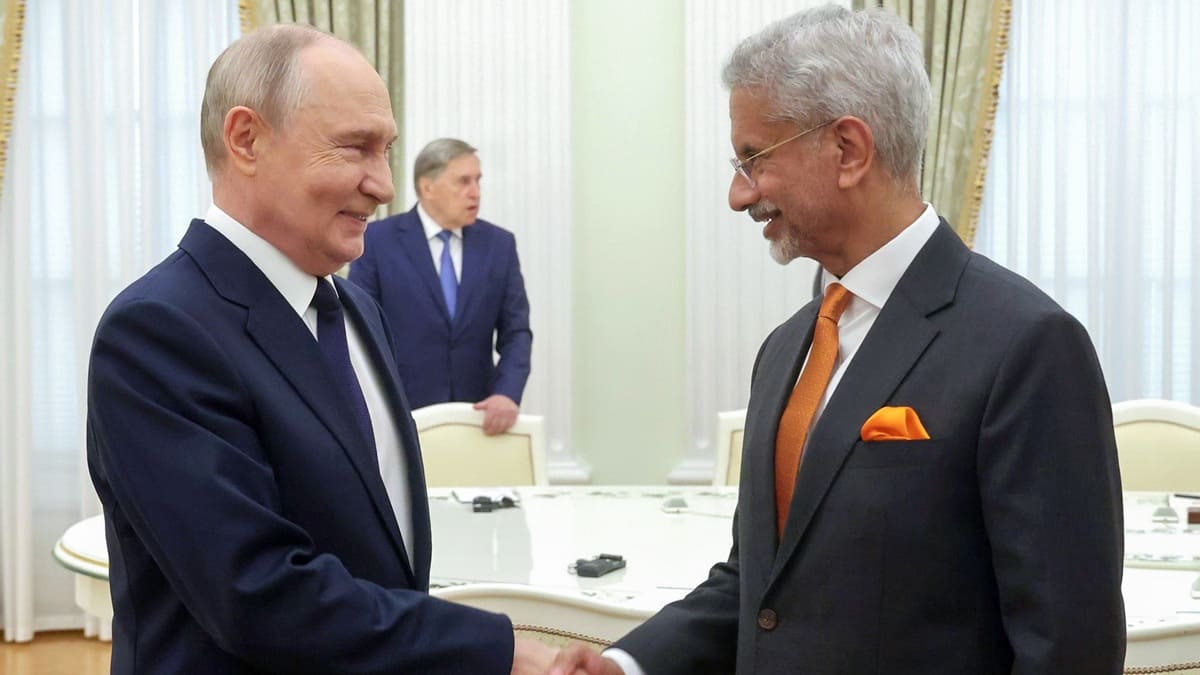
India and Russia Set $100 Billion Trade Goal by 2030
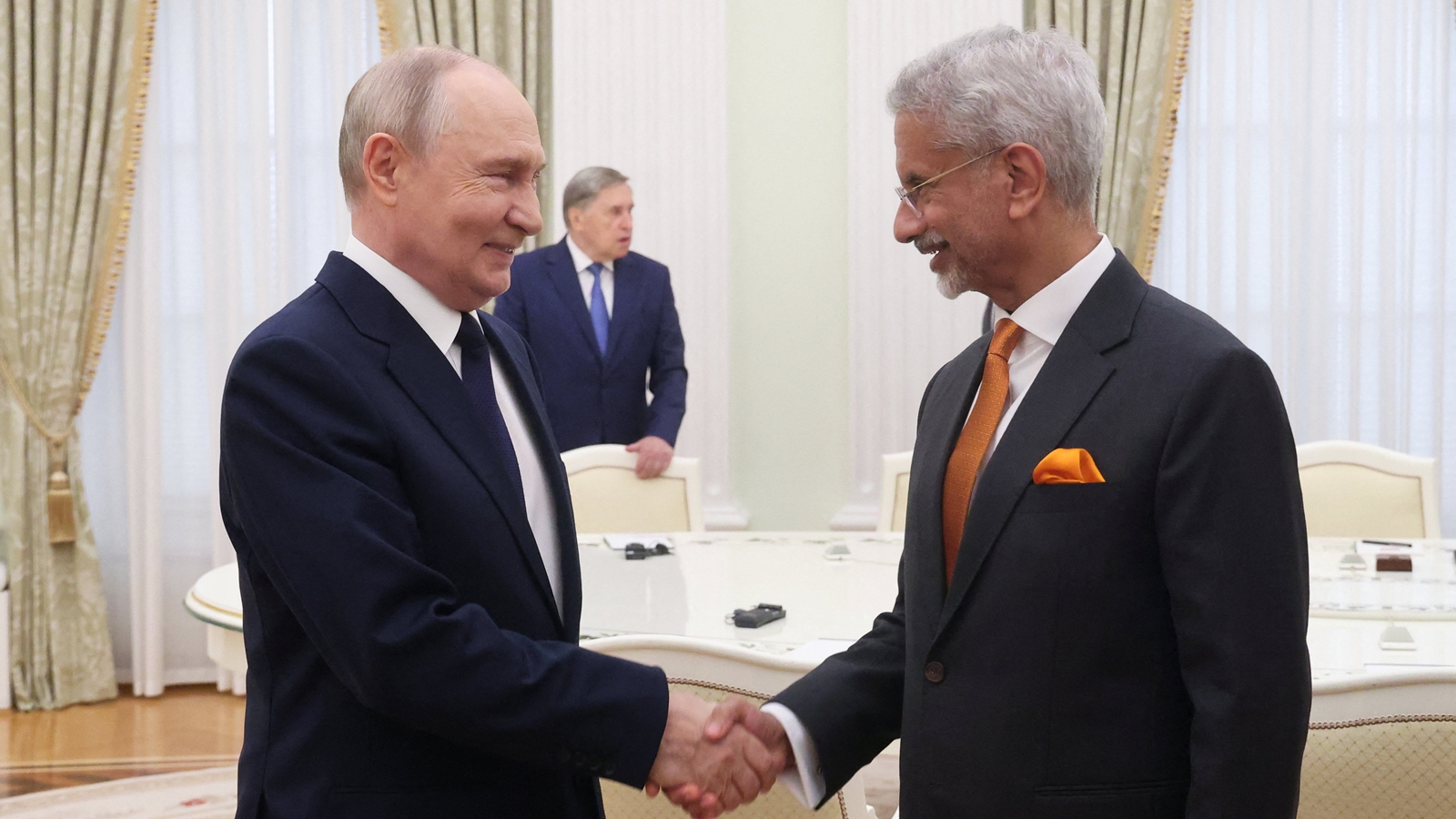
Putin and Jaishankar Advance India-Russia Economic Cooperation
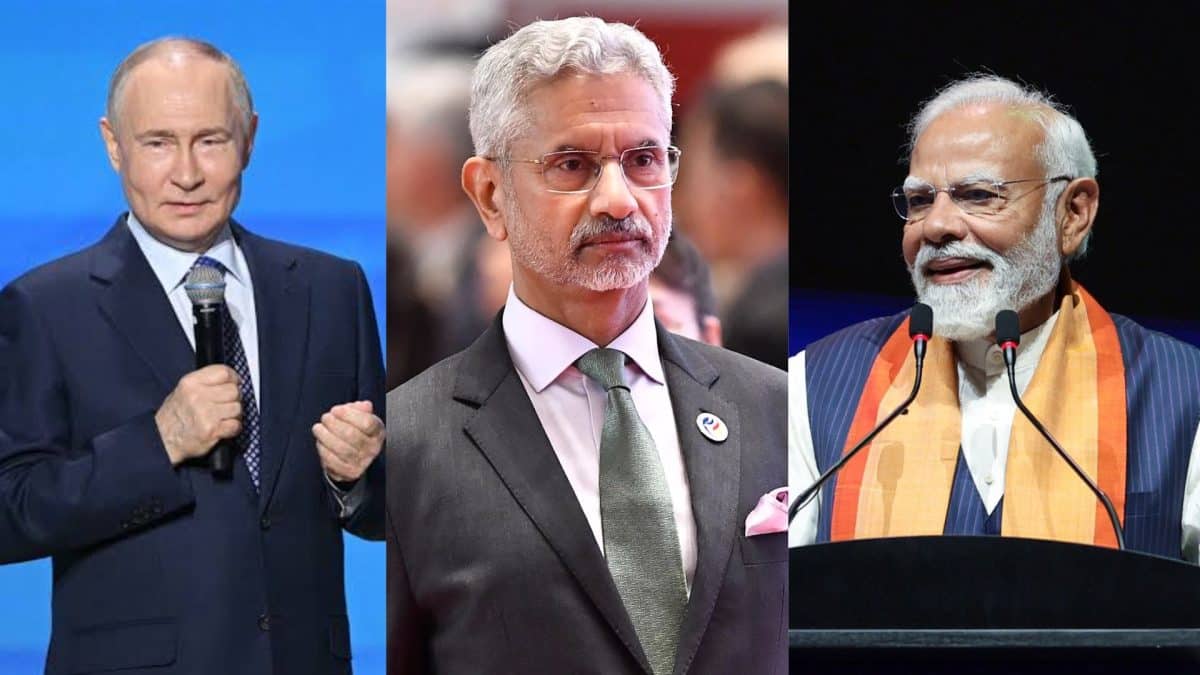
Jaishankar Meets Putin Ahead of SCO and BRICS Summits
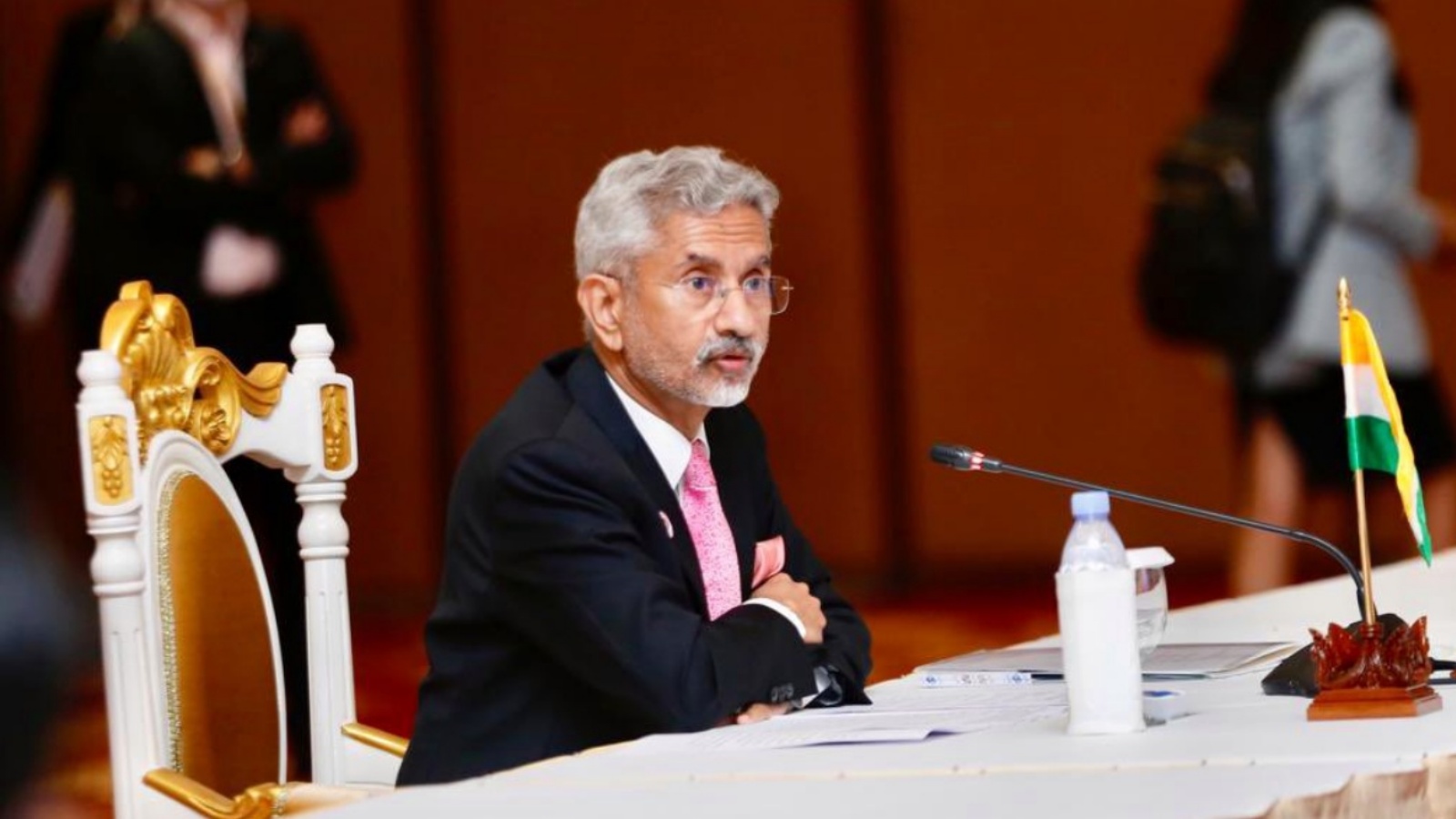
Jaishankar to Visit Moscow for India-Russia Trade Talks
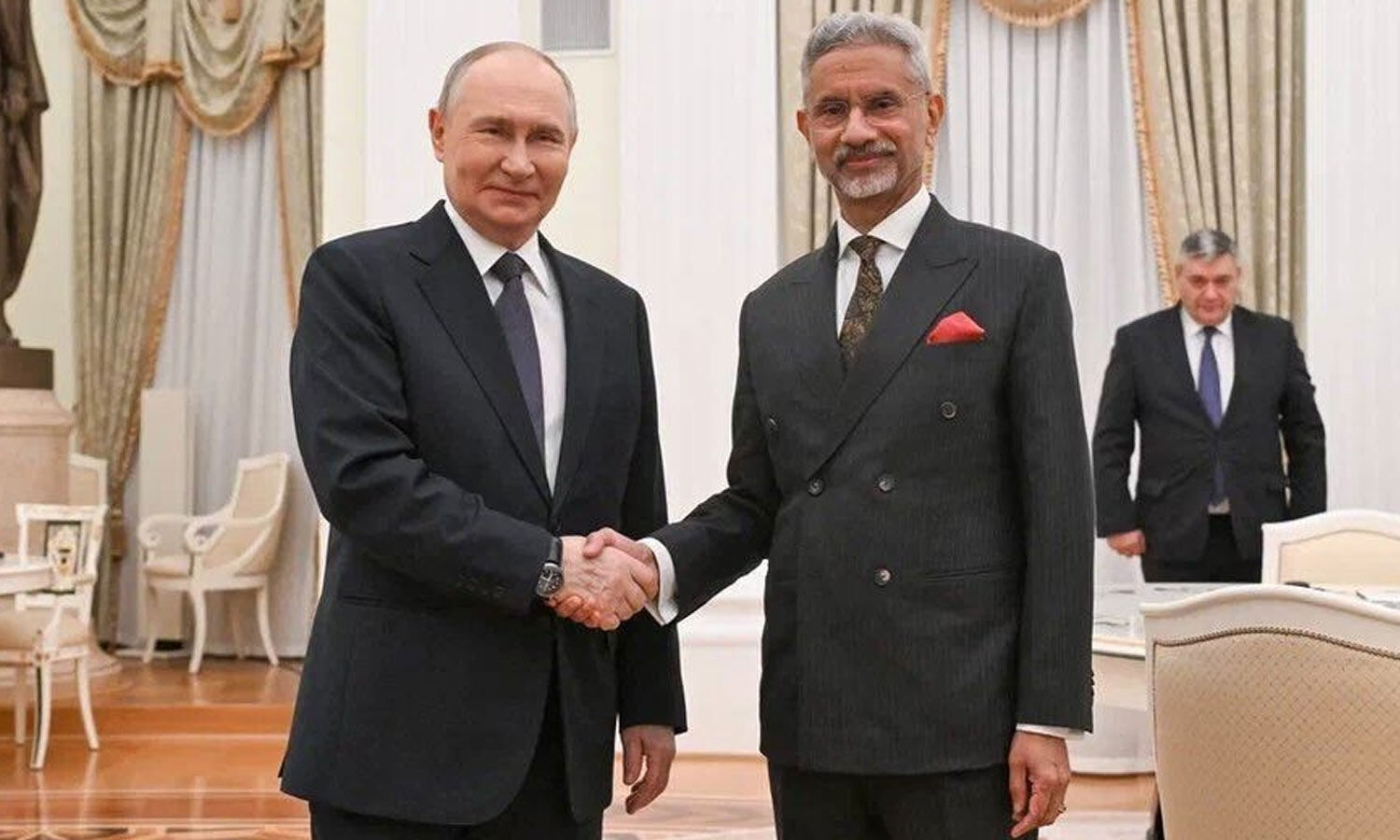
Putin Credits Modi as India-Russia Trade Growth Continues

Jaishankar Meets Putin as India-Russia Ties Deepen

Festive Season 2026 May Boost Consumer-Focused Investment Sectors

Mijo Chacko Kurian Wins 400m Gold in Meerut

Government Defends 7.8% GDP Growth as Congress Raises Doubts

India Draws Record $127 Billion Through FCNR Deposit Scheme

Goyal to Visit United States for Trade Agreement Talks