1 hr ago
Could Green-Card Restrictions Shift American Jobs to India?

The US government has paused some steps that help workers get employment-based green cards at eight big technology companies.
People who already have certain approvals or H-1B status are not affected by this pause.
The article says workers at Microsoft and Adobe may feel the biggest immediate impact because those companies still file many applications.
If workers find it harder to settle permanently in the US, some companies may move more work to other countries, including India.
India already has many technology jobs connected to multinational companies.
But those jobs may not be a good fit for many new graduates, because companies have been hiring fewer beginners.
The author says India needs skills training and policies that help it capture more valuable work.
The article also notes that fewer Indians settling in the US could eventually affect remittances and business networks.

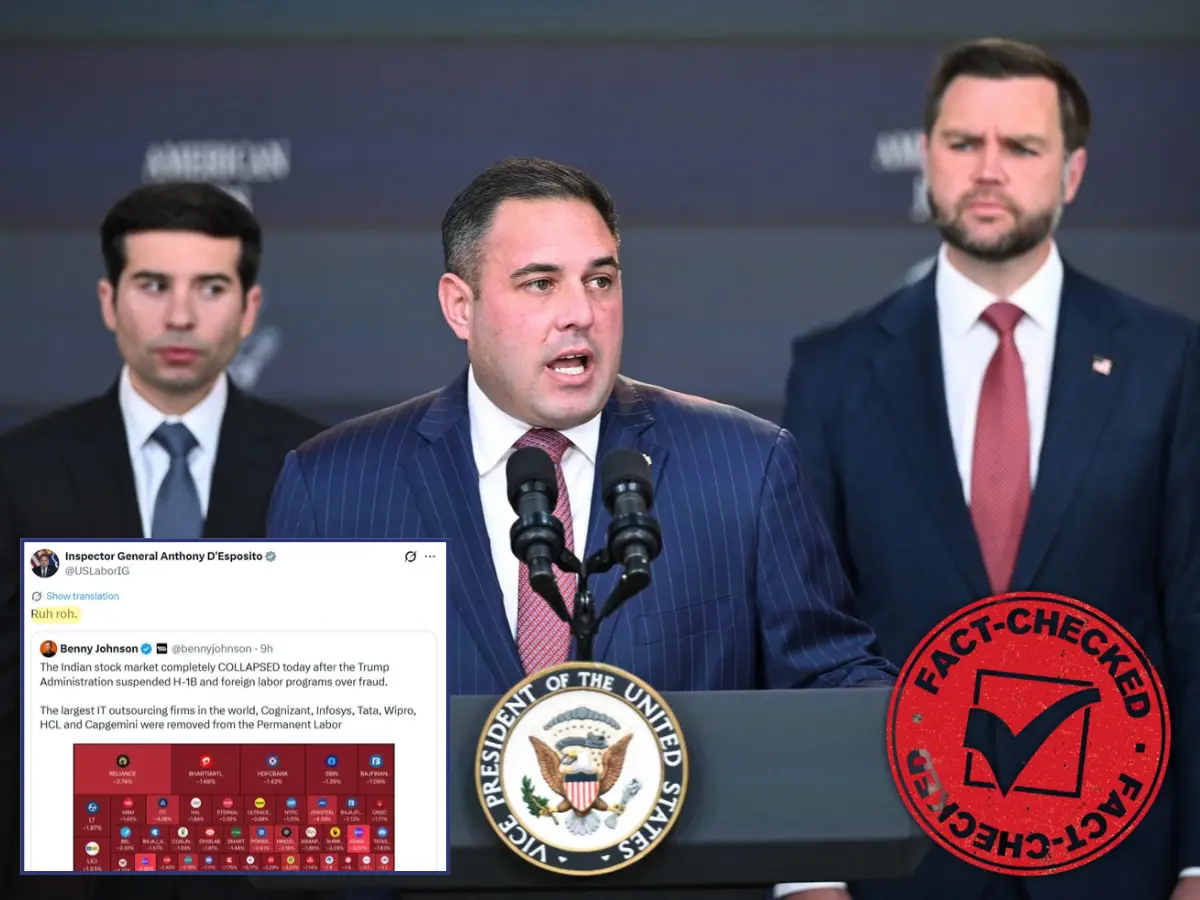
The US Department of Labour said it would stop accepting or processing PERM applications from eight major technology employers.
Existing H-1B status, approved PERM certifications and approved I-140 petitions are not affected.
The article says Microsoft and Adobe employees face the most immediate green-card impact, while Indian IT firms had already sharply reduced PERM filings.
The author warns that making permanent settlement harder could lead companies to retain workers by moving teams or expanding hiring abroad.
India’s technology sector could gain relocated work, but weak entry-level hiring and high graduate unemployment mean that expansion may not benefit new graduates broadly.
- Who
- The US Department of Labour and workers at Microsoft, Adobe, Cognizant, Infosys, TCS, Wipro, HCLTech and Capgemini.
- What
- The department announced a pause on accepting new or processing pending PERM applications from eight employers.
- Where
- The United States, with potential effects on work and hiring in India.
- When
- The announcement was made at a White House event; the article gives no date for the event.
- Why
- The article describes the pause as part of a crackdown and says it could affect workers’ path to permanent settlement; it also cites US labour-market concerns.
Labour-market concerns
Risks of restricting settlement
Foreign-worker restrictions
Labour-market concerns
The article says concern about the US labour market is understandable: unemployment in computer and mathematics occupations rose, while software job postings fell from their 2022 peak.
Risks of restricting settlement
The author argues that restricting foreign workers does not guarantee their jobs will go to Americans; employers may move work abroad or expand overseas hiring.
Potential benefits and costs for India
Labour-market concerns
More relocated work could support India’s growing global capability centre sector and create opportunities for experienced workers.
Risks of restricting settlement
The article cautions that offshore expansion may not help new graduates, given reduced entry-level hiring, graduate unemployment and the large number of engineering graduates.
Key facts
- Employers affected
- Microsoft, Adobe, Cognizant, Infosys, TCS, Wipro, HCLTech and Capgemini
- Applications paused
- New and pending permanent labour certification (PERM) applications
- Unaffected statuses and approvals
- Existing H-1B status, approved PERM certifications and approved I-140 petitions
- Eight firms’ share of PERM certifications
- 1.8% in FY2026 through June, down from 9.2% in FY2020
- Indian EB-2 petitions awaiting visas
- 356,360 approved petitions in June 2026, counting principal applicants
- India GCC employment
- Rose from 1.9 million in FY2024 to 2.36 million in FY2026
- Indian graduate unemployment
- 11.2% in 2025, compared with 3.1% across all education levels
Sources
Related news

US Green Card Freeze Prompts Indian IT Firms to Reassess Hiring
US Bars Eight Tech Firms From Green Card Sponsorship
US Suspends Major IT Firms From Green Card PERM Program
US Suspends Green Card Filings by Indian IT Firms

US Suspends Eight Tech Firms From Green-Card Certification Program

US PERM Suspension May Barely Affect Indian IT Companies

Trump Administration Suspends Eight Firms From PERM Green-Card Program
US Suspends PERM Access for Eight Tech Companies

India Criticizes US Suspension of IT Firms from Green Card Programme
Fact Check: Indian Markets Did Not Collapse After US IT Curbs