1 hr ago
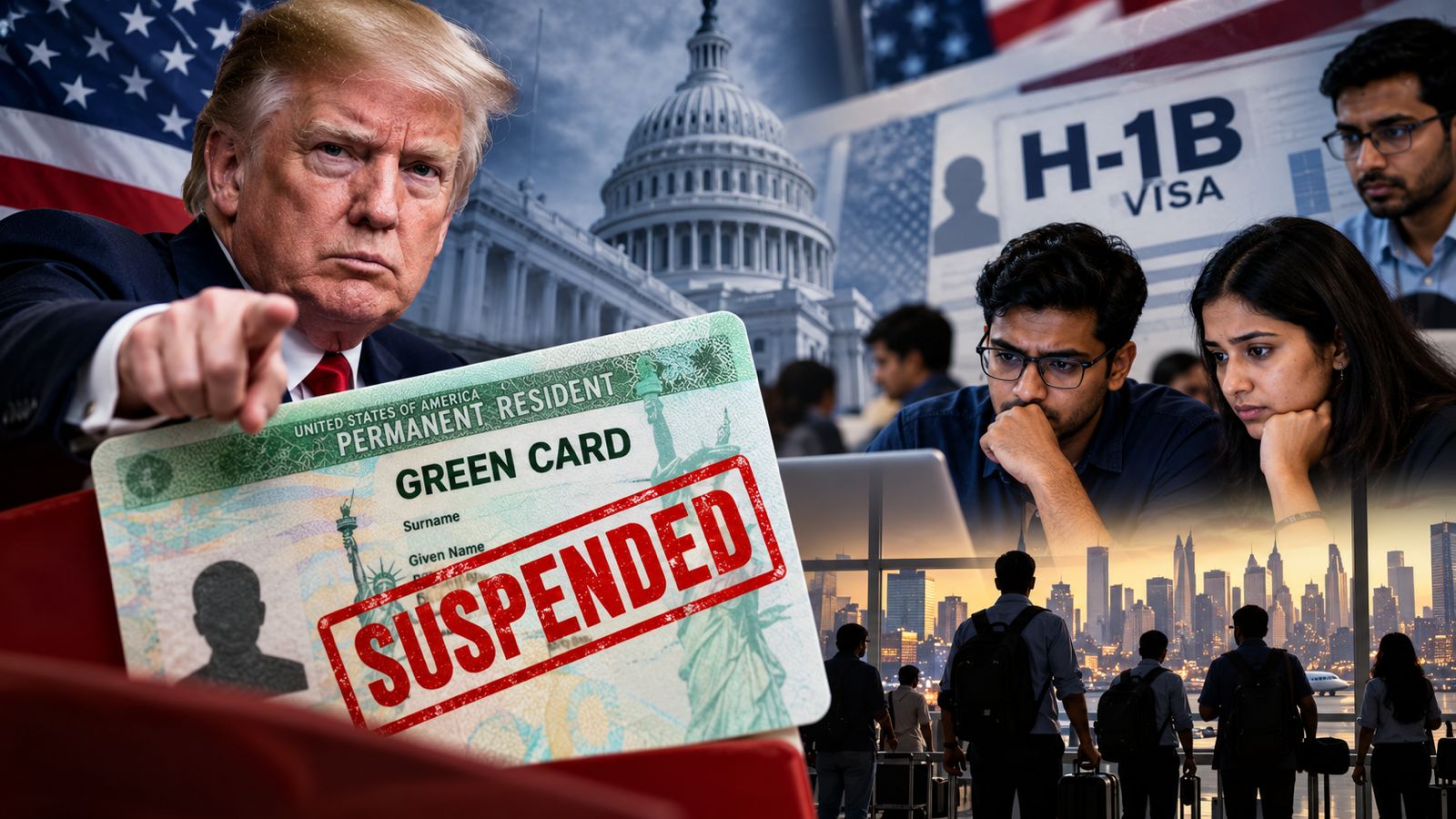
Trump Administration Suspends Eight Firms From PERM Green-Card Program

The US government has stopped eight large technology and IT services companies from filing new PERM applications for now.
PERM is a step employers often use when helping a worker apply for a green card.
The government says it is investigating the companies and accuses them of using the system to replace American workers.
The companies named include Microsoft, Adobe, Cognizant, Infosys, Tata Consultancy Services, Wipro, HCL Technologies and Capgemini.
H-1B visas are different because they let some foreign professionals work in the US temporarily.
The suspension does not automatically cancel a worker’s existing H-1B visa.
Some people can apply for employment-based green cards through routes that do not require PERM.
Microsoft said about 80% of its H-1B applications in the last fiscal year were for existing employees extending or changing status.

The Trump administration suspended Microsoft, Adobe and six other technology and IT services companies from the PERM programme.
The suspension bars the companies from submitting new PERM applications and pauses processing of their pending applications.
The Department of Labor cited ongoing federal investigations; the administration alleges the companies used the system to replace American workers with lower-paid foreign employees.
PERM is a labor certification often used for employer-sponsored EB-2 and EB-3 green-card applications, while H-1B permits temporary employment.
The action does not by itself cancel existing H-1B visas, and some green-card pathways do not require PERM.
- Who
- The Trump administration suspended Microsoft, Adobe, Cognizant, Infosys, Tata Consultancy Services, Wipro, HCL Technologies and Capgemini from the PERM programme.
- What
- The companies cannot submit new PERM applications, and their pending applications are not being processed.
- Where
- The United States.
- When
- The suspension was announced on Thursday, October 8; the article does not specify the year.
- Why
- The Department of Labor cited ongoing federal investigations, while the administration accused the companies of using the system to replace American workers with lower-paid foreign employees.
Administration's allegations
Company's response
Use of the labor-certification system
Administration's allegations
Vice President JD Vance accused Microsoft and other companies of exploiting the system to replace American employees with foreign workers, and cited layoffs and immigration filings.
Company's response
Microsoft disputed the implication that its H-1B filings primarily represented new foreign hires, saying about 80% were for existing employees extending or changing status.
Recruitment practices
Administration's allegations
Vance said some companies advertise jobs in ways that make it difficult to attract applicants, then cite a lack of responses to justify hiring foreign workers.
Company's response
The article does not provide a direct company response to this specific allegation.
Key facts
- Companies named
- Microsoft, Adobe, Cognizant, Infosys, Tata Consultancy Services (TCS), Wipro, HCL Technologies and Capgemini
- Suspension measures
- No new PERM applications; processing of pending applications is paused
- PERM purpose
- A labor certification employers generally need for certain employment-based green-card applications
- Common PERM routes
- Many EB-2 and EB-3 applicants use PERM
- Possible exemptions
- Some extraordinary-ability applicants and some EB-2 National Interest Waiver applicants may be exempt
- H-1B status
- A temporary, employer-sponsored work visa; the suspension does not by itself cancel existing H-1B visas
- Microsoft's response
- Microsoft said about 80% of its H-1B applications in the last fiscal year were to extend or change the status of existing employees
Quotes

JD Vance
US vice president who accused Microsoft and other companies of exploiting the labor-certification system.
“Our message to Microsoft is: You're a great American company, but you've got to hire great American workers.”
 livemint.com
Sources
Related news

Trump Suspends Major Tech Firms From PERM Green-Card Process

US Suspends PERM Processing for Microsoft, Infosys, Wipro
US Suspends PERM Processing for Eight Major Technology Companies
US Suspends Major Tech Firms From PERM Green Card Programme
US Bars Eight Tech Firms From Green Card Sponsorship

US PERM Suspension May Barely Affect Indian IT Companies

Could Green-Card Restrictions Shift American Jobs to India?
US Suspends PERM Access for Eight Tech Companies
India Criticizes US Suspension of IT Firms from Green Card Programme
Fact Check: Indian Markets Did Not Collapse After US IT Curbs