1 hr ago
US Bars Eight Tech Firms From Green Card Sponsorship
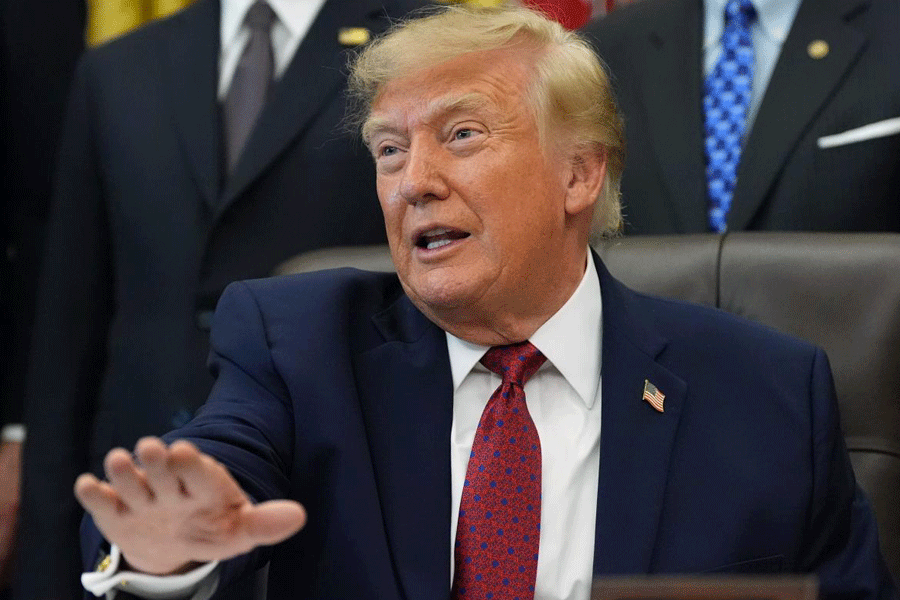
The US government has stopped eight technology companies from starting or continuing a process called PERM.
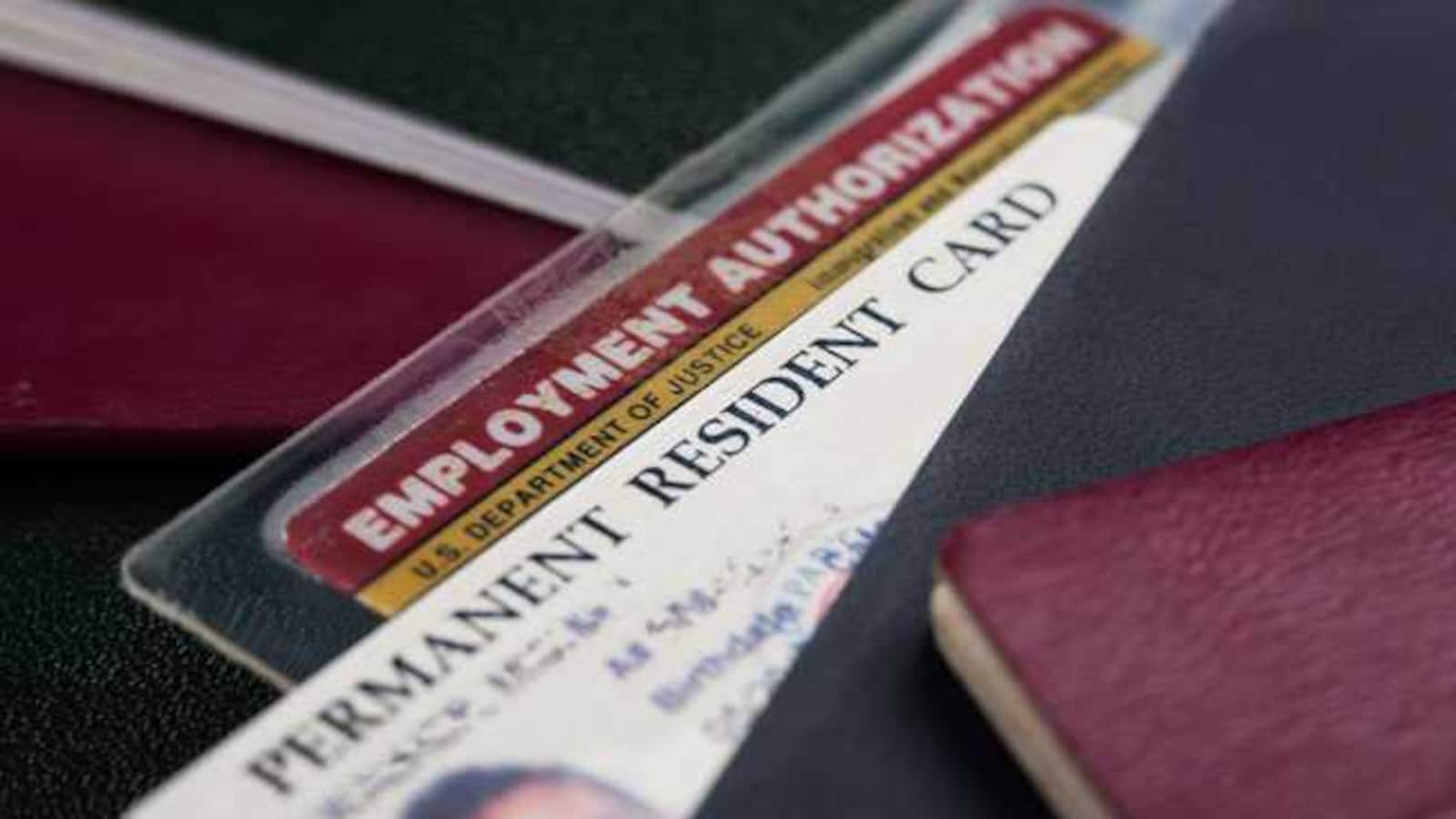
Employers use PERM to help some foreign workers apply for permanent residency, often after those workers come to the US on temporary H-1B visas.
The affected companies include several major Indian IT firms and Microsoft.
The pause does not automatically cancel workers’ current H-1B visas.
But it can make it harder for affected employees to move toward a green card through their employer.
The administration says the move is meant to protect American workers.
Microsoft disagrees with accusations that it pays foreign workers less.
Indian IT workers and employers may have to consider other options while the suspension remains in place.

The Trump administration barred eight technology companies from filing new PERM applications or processing pending ones.
The targeted firms are TCS, Infosys, HCL, Wipro, Cognizant, Microsoft, Adobe and Capgemini.
PERM is an employer-led labor certification used in a key route from temporary work visas to employer-sponsored permanent residency.
The suspension does not itself cancel current H-1B visas, but may delay workers’ green-card pathways and affect career plans.
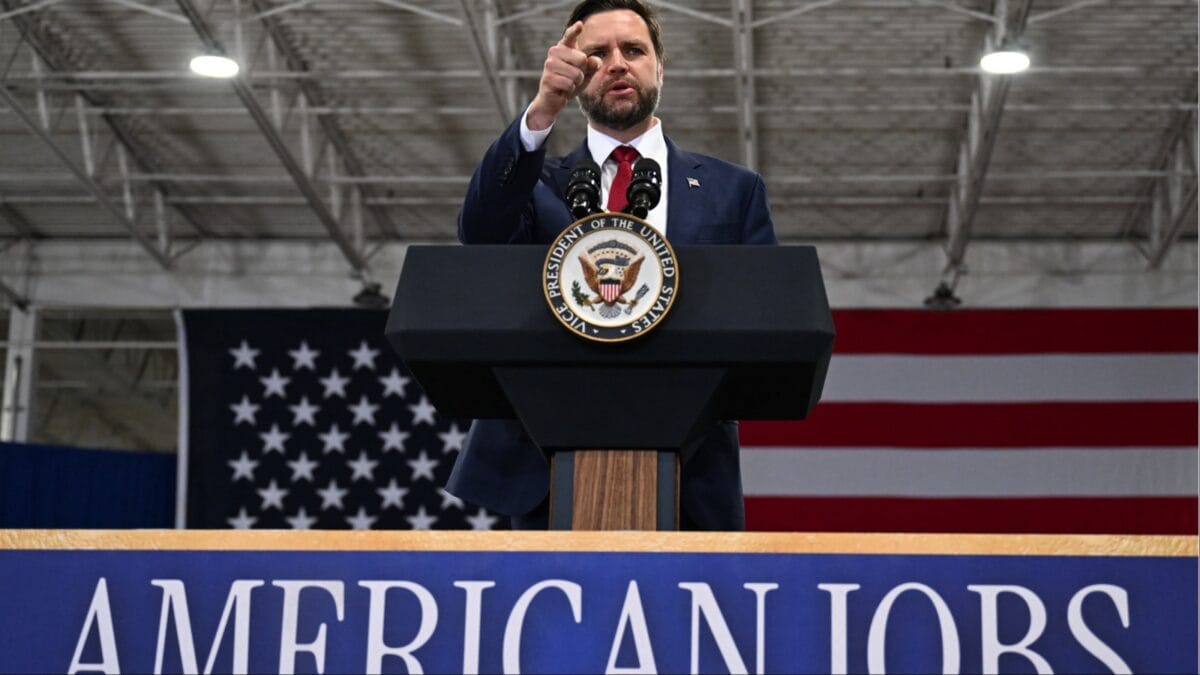
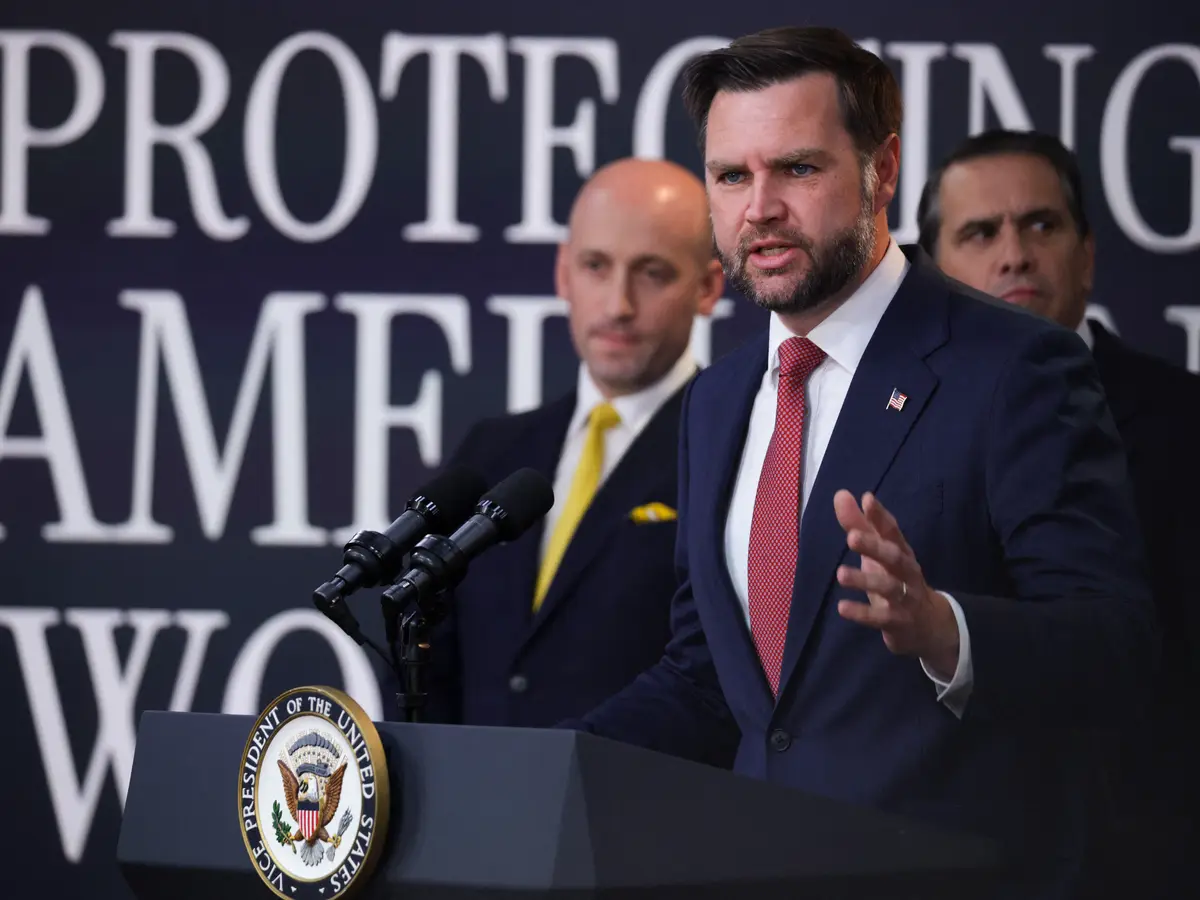
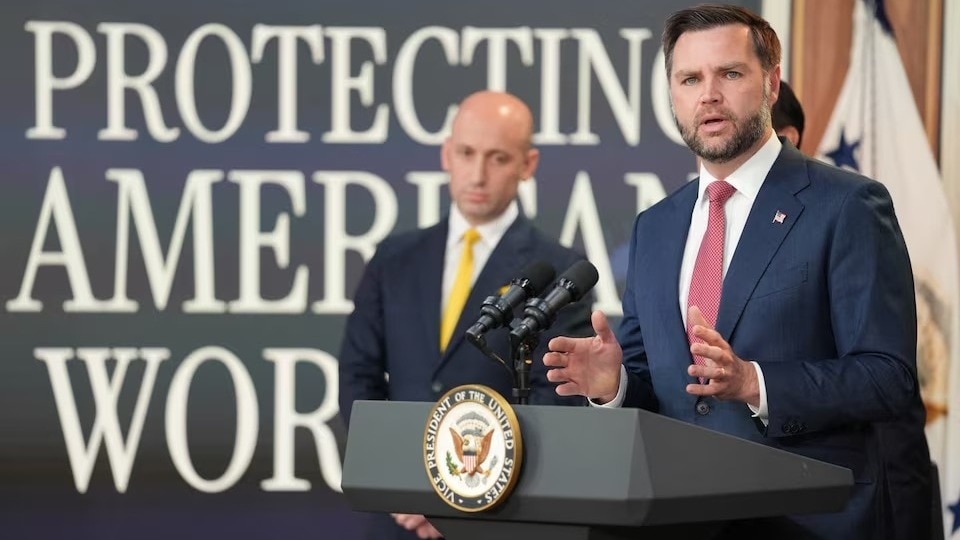
Vice President JD Vance said the action puts American workers first; Microsoft disputed claims that it uses H-1B workers as cheap labor.
- Who
- The Trump administration and eight technology companies: TCS, Infosys, HCL, Wipro, Cognizant, Microsoft, Adobe and Capgemini; affected workers include H-1B employees seeking employer-sponsored permanent residency.
- What
- The government suspended the companies’ ability to submit new PERM applications or have pending applications processed.
- Where
- United States
- When
- The suspension was announced at a news conference on Thursday; the articles do not specify a calendar date.
- Why
- The administration says the companies’ use of foreign-worker programmes can displace American workers or undercut wages; Microsoft rejects the cheap-labor accusation.
Administration’s position
Companies’ and workers’ concerns
Effect of foreign-worker hiring
Administration’s position
JD Vance said the programmes are abused and that foreign workers can replace Americans or undercut their wages.
Companies’ and workers’ concerns
Microsoft said it pays H-1B employees the same as other employees doing comparable work and that its wages are among the highest in H-1B filings.
Impact of the suspension
Administration’s position
The administration presents the action as a way to put American workers first.
Companies’ and workers’ concerns
Industry voices say the pause disrupts workers’ plans for permanent residency and removes an important attraction for Indian technology professionals considering US jobs.
Key facts
- Companies affected
- TCS, Infosys, HCL, Wipro, Cognizant, Microsoft, Adobe and Capgemini
- PERM action
- No new applications will be accepted and pending applications will not be processed for the eight firms.
- PERM purpose
- Employer-led labor certification used as a key step toward employer-sponsored permanent residency.
- H-1B distinction
- H-1B is a temporary work visa, generally allowing up to six years in the US; the PERM suspension does not itself cancel H-1B status.
- H-1B allocation
- The articles estimate about 85,000 H-1B visas were approved in 2024, with Indians receiving roughly 70 per cent of the annual allocation.
- Other green-card routes
- The article cites family-based routes and self-petitions such as EB-1A and EB-2 National Interest Waiver.
- H-1B fee proposal
- The articles say a proposed one-time $100,000 fee on new H-1B petitions was blocked by federal court orders.
Quotes
Pareekh Jain
Chief executive of Pareekh Consulting
“The service providers salaries were lower but the US opportunity was the main attraction. Now they will have to look in the EU and other countries.”
 telegraphindia.com
“Stop defrauding the American worker. Stop importing an indentured servant to do a job that an American worker would happily do.”
telegraphindia.com
Sources
Related news

US Suspends PERM Processing for Microsoft, Infosys, Wipro
US Suspends Green Card Filings by Indian IT Firms

US PERM Suspension May Barely Affect Indian IT Companies

US Suspends Major Tech Firms From Green-Card Certification Program
US Suspends Major Tech Firms From PERM Green Card Programme
Vance Defends Tech Green-Card Freeze as Jayapal Warns

US suspends major IT firms from green-card certification programme
Vance Accuses Companies of Undercutting US Workers