1 week ago
Chinese Humanoid Robots Outrun Bolt, Then Struggle With Beans
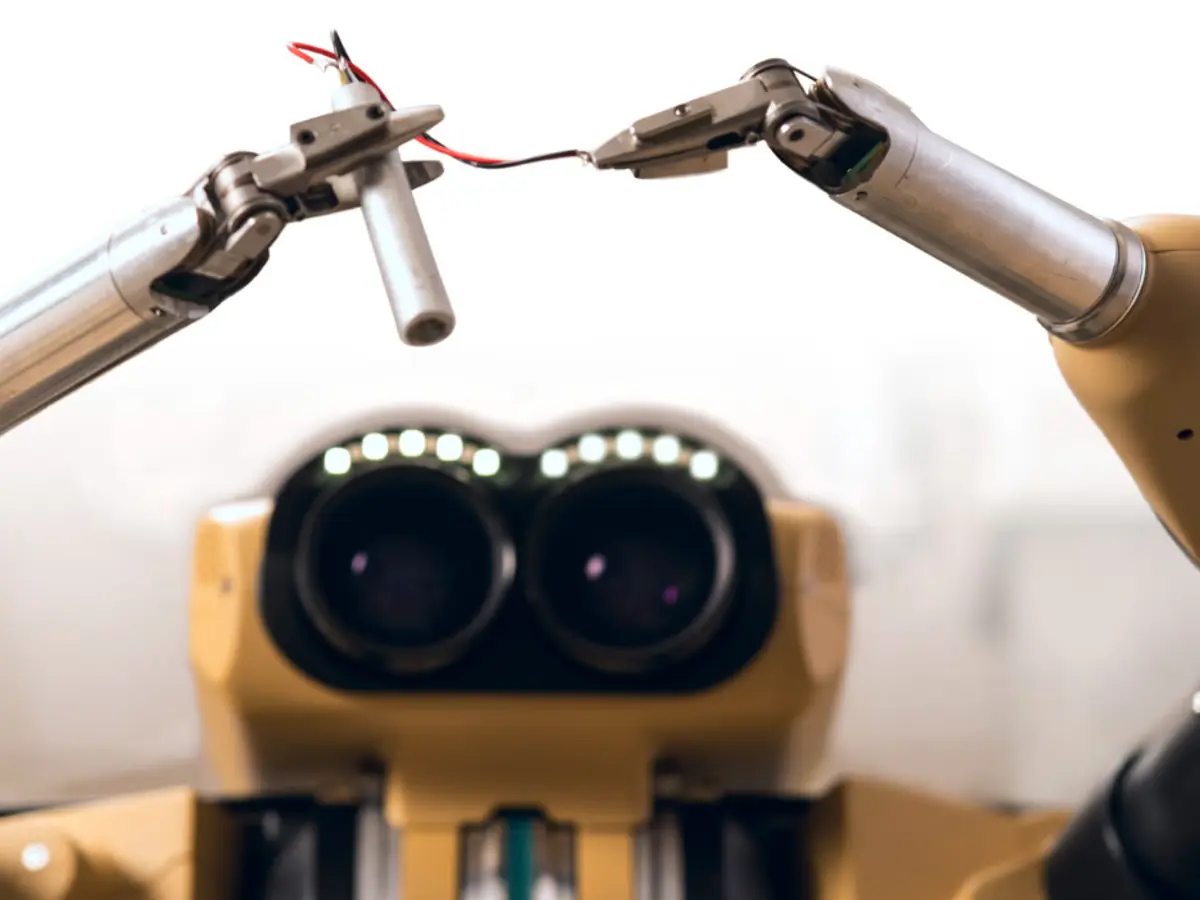
More than 2,000 robots competed in games in Beijing.
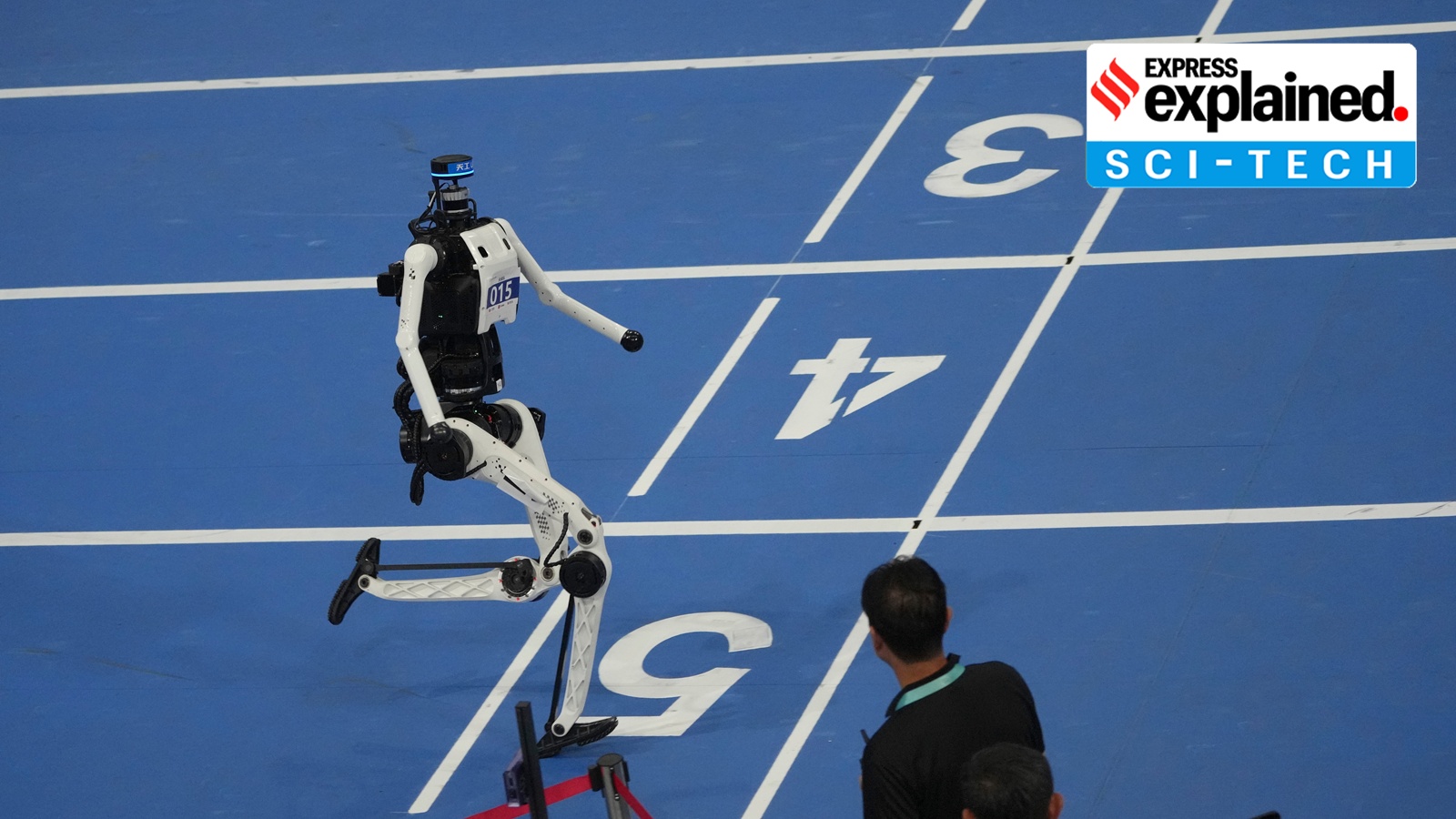
One robot called Tiangong Ultra ran 100 metres faster than Usain Bolt’s human record.
Two other robots also ran faster than Bolt’s time.
Tiangong Ultra later ran 400 metres very quickly.
However, the robots had trouble picking up small beans.
Running can be easier for robots because it has a clear goal and can be practiced in simulations.
Picking things up requires sensitive hands and careful control.
Experts say the races show progress, but they do not prove that robots are ready to replace human workers.
Companies and investors are still betting that better robot hands will come next.

Tiangong Ultra reportedly ran 100 metres in 9.39 seconds, faster than Usain Bolt’s 9.58-second world record.
Two robots from Honor’s Lightning platform also finished the sprint under Bolt’s mark.
Tiangong Ultra later completed 400 metres in 38.15 seconds at the Beijing games.
More than 2,000 humanoid robots competed at the World Humanoid Robot Games from August 22 to 26.
Robots’ difficulty handling beans highlighted the unresolved challenge of reliable, delicate manipulation.
- Who
- Tiangong Ultra, two robots from Honor’s Lightning platform, and more than 2,000 humanoid robots competed; the machines were developed by organizations including the Beijing Humanoid Robot Innovation Centre and Honor.
- What
- Robots competed in running and other events, with Tiangong Ultra recording 9.39 seconds over 100 metres and 38.15 seconds over 400 metres, while struggling with bean-handling tasks.
- Where
- The World Humanoid Robot Games were held at Beijing’s National Speed Skating Oval, known as the Ice Ribbon.
- When
- The games took place from August 22 to 26; Tiangong Ultra’s 400-metre run occurred the following day after its 100-metre heat.
- Why
- The event showcased robot capabilities, generated engineering and training data, and supported a broader competition to develop commercially useful humanoid robots.
Performance and Investment Case
Technical and Commercial Caution
Meaning of the running records
Performance and Investment Case
The reported times demonstrate rapid bipedal locomotion, and Tiangong Ultra developed its running posture through reinforcement learning rather than having its gait designed by an engineer.
Technical and Commercial Caution
The comparison with human sprinting is limited because robots face different reaction-time, biological, timing, competition, and assistance conditions; the times were also reported by China’s state broadcaster CCTV rather than independently ratified.
What progress matters most
Performance and Investment Case
The industry’s funding suggests investors believe reinforcement learning, simulation, and data can extend advances in locomotion to reliable robotic hands and manipulation.
Technical and Commercial Caution
The robots’ difficulty picking up beans shows that contact, friction, deformation, and touch remain difficult; a fast robot is not therefore close to replacing a warehouse worker.
China’s robotics push
Performance and Investment Case
China’s large domestic manufacturing base, protected market, major event, and ability to field more than 2,000 machines create conditions for rapid competition and data generation.
Technical and Commercial Caution
The United States’ July ban on imports of new Chinese humanoid robots and the lack of an established commercial application underline that the industry still faces market and evidence gaps.
Key facts
- 100-metre time
- Tiangong Ultra was reported to have run 100 metres in 9.39 seconds.
- Usain Bolt’s record
- Bolt’s 2009 world record is 9.58 seconds.
- 400-metre time
- Tiangong Ultra completed 400 metres in 38.15 seconds.
- Competition dates
- August 22 to 26.
- Number of competitors
- More than 2,000 humanoid robots.
- Venue
- Beijing’s National Speed Skating Oval, known as the Ice Ribbon.
- XPeng funding
- XPeng’s robotics business raised more than $900 million in its first external round at a valuation above $6.3 billion.
- Target production
- XPeng is targeting production of its IRON humanoid before the end of 2026.
Sources
Related news

China's Tiangong Ultra Shatters Bolt's 100-Metre Record
Chinese Robot Runs Faster Than Usain Bolt’s Record

Robot sprinter breaks 100-meter record at China’s humanoid games

Tiangong Ultra Runs 100 Metres in 8.86 Seconds

Chinese Humanoid Robots Surpass Bolt Benchmark at Beijing Games

Chinese Humanoid Robot Sets New 100-Meter Sprint Record

Why Soil Is Brown: Humus, Iron, and Earth’s Colour
Tenkasi Excavation Reveals Ancient Tamil Nadu Settlement
XPENG CEO Cuts Open Humanoid Robot on Stage to Disprove 'Person in Suit' Claims