1 hr ago
India’s Inflation Shock Deepens as Oil Prices Surge

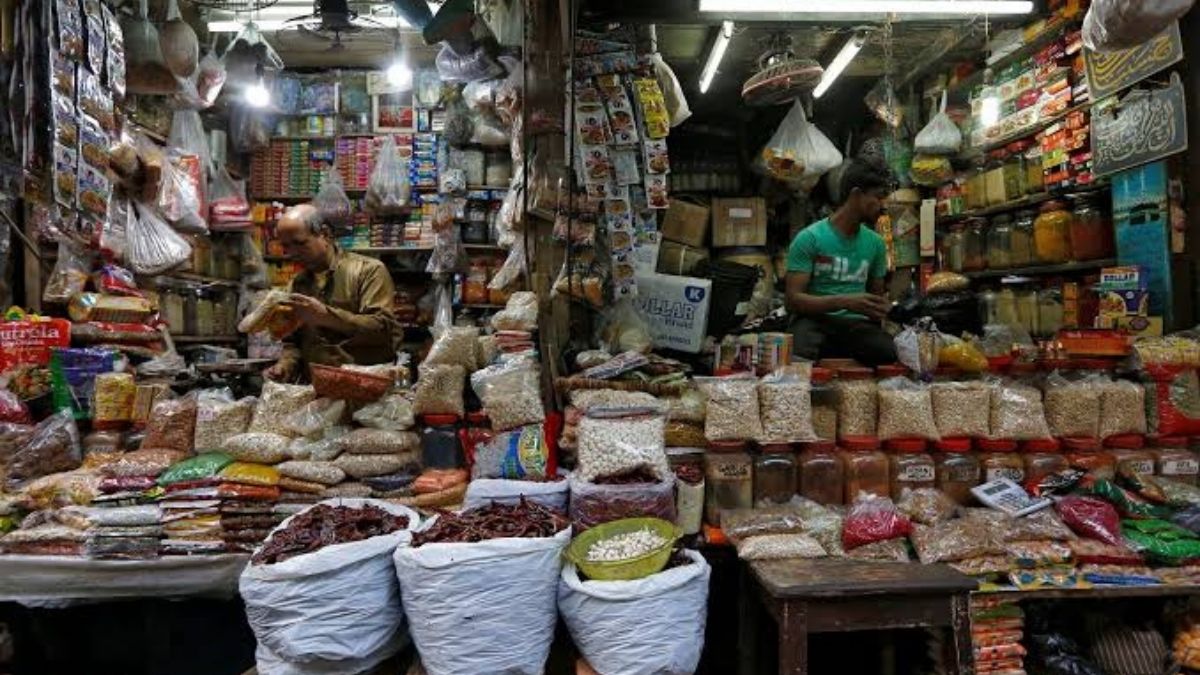
Prices in India are rising faster, especially for food, restaurants, transport and personal care.
Consumer prices increased 4.82% in August compared with the same month a year earlier.
Oil has become much more expensive around the world.
India imports nearly 90% of the oil it uses, so higher oil prices affect many Indian businesses and families.
More expensive fuel can raise the cost of trucks, factories, travel and imported goods.
Some businesses are paying higher costs but have not yet passed all of them on to shoppers.
Economists think inflation could rise further if oil prices stay high.
The Reserve Bank of India may raise interest rates to help control prices and support the rupee.
Higher interest rates would make loans for homes, cars and other purchases more expensive.

India’s consumer inflation rose to 4.82% in August from 4.45% in July, remaining above the Reserve Bank of India’s 4% target for a third month.
Food inflation accelerated to 5.95%, while restaurant and hotel prices rose 8.38% and transport costs increased 4.6%.
Wholesale prices climbed nearly 10%, led by a 22.9% increase in wholesale food and fuel prices and a 38.48% jump in mineral-oil and petroleum-product prices.
Brent crude reached $107.70 a barrel after attacks on energy infrastructure and ships, increasing pressure on India, which imports nearly 90% of its oil.
Economists warned inflation could exceed 5% or even breach the Reserve Bank of India’s 6% upper limit, raising expectations of interest-rate increases.
- Who
- Indian consumers, businesses, economists and the Reserve Bank of India are affected by or responding to the rising inflation.
- What
- India’s inflation is accelerating as food, fuel, transport and other costs rise amid a surge in global oil prices.
- Where
- India, with global oil markets also affected by attacks on energy infrastructure and ships in the region.
- When
- Government data released Monday showed August inflation; economists warned pressures could increase in the coming months, with the Reserve Bank of India’s committee meeting next month.
- Why
- India imports nearly 90% of its oil, so higher crude prices raise fuel, transport, production and import costs and can weaken the rupee.
Rate-Hike Advocates
Rate-Hold Considerations
How should the central bank respond?
Rate-Hike Advocates
Economists including Soumya Kanti Ghosh and Upasna Bhardwaj see increased scope for rate increases, with forecasts ranging from a 25-basis-point rise to cumulative increases of 50 to 75 basis points.
Rate-Hold Considerations
The Reserve Bank of India has so far kept its benchmark rate at 5.25%, and raising rates would make loans for homes, cars and other purchases more expensive even as the economy is growing strongly.
How high could inflation go?
Rate-Hike Advocates
Oxford Economics warned inflation could exceed 5% and possibly breach the Reserve Bank of India’s 6% upper tolerance limit if companies continue passing higher costs to consumers.
Rate-Hold Considerations
Consumer inflation was still below 5% in August, while businesses were absorbing some of the higher wholesale costs, suggesting the full increase had not yet reached consumers.
Key facts
- August consumer inflation
- 4.82% year over year, up from 4.45% in July
- Reserve Bank target
- 4% medium-term inflation target
- Food inflation
- 5.95% in August, compared with 5.52% in July
- Wholesale inflation
- Nearly 10%, with wholesale food and fuel prices up 22.9%
- Brent crude
- Reached $107.70 a barrel after fresh regional attacks
- Oil dependence
- India imports nearly 90% of the oil it uses
- Current policy rate
- The Reserve Bank of India has held its benchmark rate at 5.25%
- Growth rate
- The economy grew 7.8% in the first three months of the financial year
Quotes
Alexandra Hermann Prasad
Lead economist at Oxford Economics
“Price pressures will likely continue rising in the coming months”
 telegraphindia.com
“Price pressures have become more persistent”
telegraphindia.com
Sources
Related news

Rising Inflation Strengthens Case for Higher Interest Rates
August Inflation Surge Puts India’s October Rate Decision In Focus

Crude Surge Threatens India’s Import Bill and Inflation

India’s Oil Surge Manageable Now, but Risks Rise

India’s Retail and Wholesale Inflation Rise in August

India’s Retail Inflation Rises Above RBI Midpoint for Third Month
Sensex and Nifty rebound as FMCG, realty, PSU banks lead
Sensex Rebounds 333 Points as Bank Stocks Drive Rally

Indian Stocks Rise as UPI Fee Changes Drive Midday Moves

Sensex, Nifty Gain 0.5% as Crude Oil Weighs