3 hrs ago
India’s Oil Surge Manageable Now, but Risks Rise

India is worried because it buys most of its oil from other countries.
Oil prices rose as tensions increased in West Asia.
For now, experts say India can handle prices of about $107-$108 per barrel.
The country has large foreign-exchange reserves and relatively low inflation.
However, the problem would become bigger if prices stayed above $100 for many months.
It would also worsen if ships could not safely carry oil through West Asia.
Higher oil prices can make fuel, transport, food, and other goods more expensive.
The government could raise fuel prices or pay more to keep them lower, but both choices have costs.

Brent crude at $107-$108 per barrel is not currently considered a macroeconomic crisis for India.
India’s foreign-exchange reserves reached a record $785.7 billion during the week ended September 4.
India imported 88.6% of its crude requirement from April through January in FY26.
A $10-per-barrel oil-price increase could add about 49 basis points to inflation or 43 basis points to the fiscal deficit.
Oil prices above $100 for several months or disrupted West Asia shipping could worsen India’s growth and inflation outlook.
- Who
- India, market analysts, and Dr. Manoranjan Sharma, Chief Economist at Infomerics Ratings.
- What
- A surge in crude oil prices is creating risks for India, although analysts say it is not yet a macroeconomic crisis.
- Where
- India, with risks linked to oil supplies and shipping through West Asia.
- When
- The assessment was reported on Monday; the cited reserve data covers the week ended September 4, and the import data covers April-January FY26.
- Why
- Crude prices rose amid increasing West Asia tensions, raising concerns about inflation, the current account deficit, fiscal policy, and economic growth.
Pass Through Higher Costs
Absorb the Oil Shock
Fuel-price policy
Pass Through Higher Costs
Raising petrol, diesel, and LPG prices would pass the higher crude cost to consumers, potentially increasing transport, food, and manufactured-goods prices while reducing household purchasing power.
Absorb the Oil Shock
Using excise cuts or fuel subsidies could temporarily protect consumers and inflation, but would strain government finances and oil-marketing companies.
Economic consequences
Pass Through Higher Costs
Allowing prices to rise may worsen inflation and suppress consumption through lower real household incomes.
Absorb the Oil Shock
Keeping retail prices controlled may limit immediate inflation, but could compress margins for oil marketers and companies affected by higher fuel and input costs.
Key facts
- Current Brent price
- $107-$108 per barrel
- Foreign-exchange reserves
- $785.7 billion, after a weekly increase of $44.9 billion
- Crude import dependence
- 88.6% of requirements in April-January FY26
- Current account deficit
- 0.8% of GDP in H1 FY26
- Inflation impact
- A $10-per-barrel oil-price increase could add roughly 49 basis points to headline inflation
- Fiscal impact
- Absorbing the same shock could add roughly 43 basis points to the fiscal deficit
- Projected FY27 CAD impact
- An average crude price of $100 could widen the current account deficit to 1.9%-2.2% of GDP, from 0.7%-0.8% projected
Quotes
Dr. Manoranjan Sharma
Chief Economist at Infomerics Ratings
“Yet, if oil remains above $100 for several months, or shipping through West Asia is disrupted, the growth-inflation trade-off would significantly worsen”
 thehansindia.com
Sources
Related news
Crude Surge Threatens India’s Import Bill and Inflation
Brent Crude Tops $95, Raising India’s Oil Import Concerns

Oil Tops $100, Threatening India’s Import Bill and Finances
India’s Crude Basket Tops $100 as Geopolitical Risks Persist

Oil Surge and Fed Hike Test India’s Economy
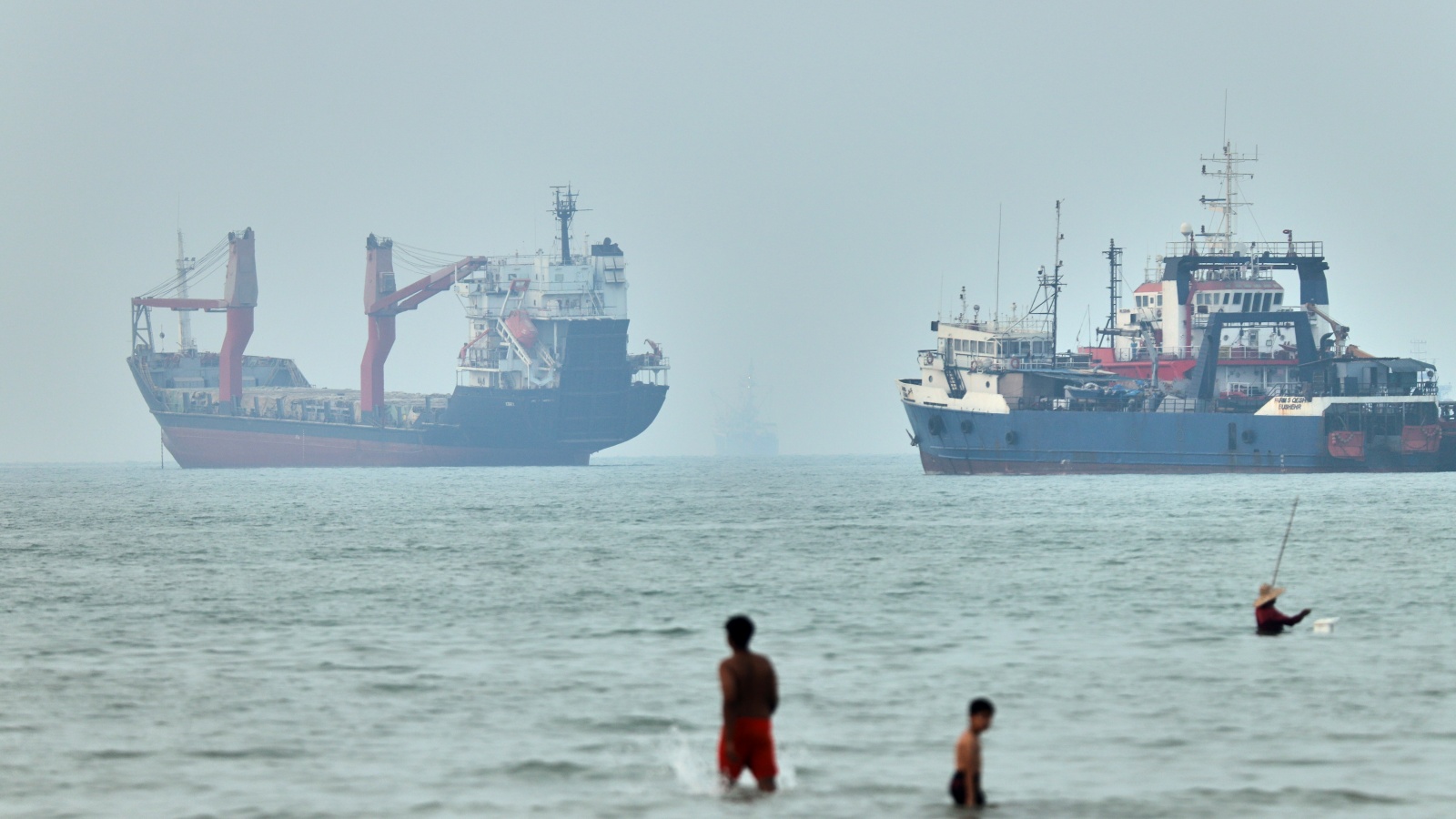
West Asia Conflict Pushes India’s Oil, Gas Import Bill Higher
Assam Chief Minister Unveils Vision for Technology-Driven Economic Growth
Oil India Links Samudra Manthan Mission to Energy Exploration

ONGC, Oil India Rise as Brent Crude Tops $100
Oil Stocks Rise as Brent Crude Nears $100 Amid Tensions