

3 weeks ago
Nilekani-led NTA reform panel criticized for excluding states, students
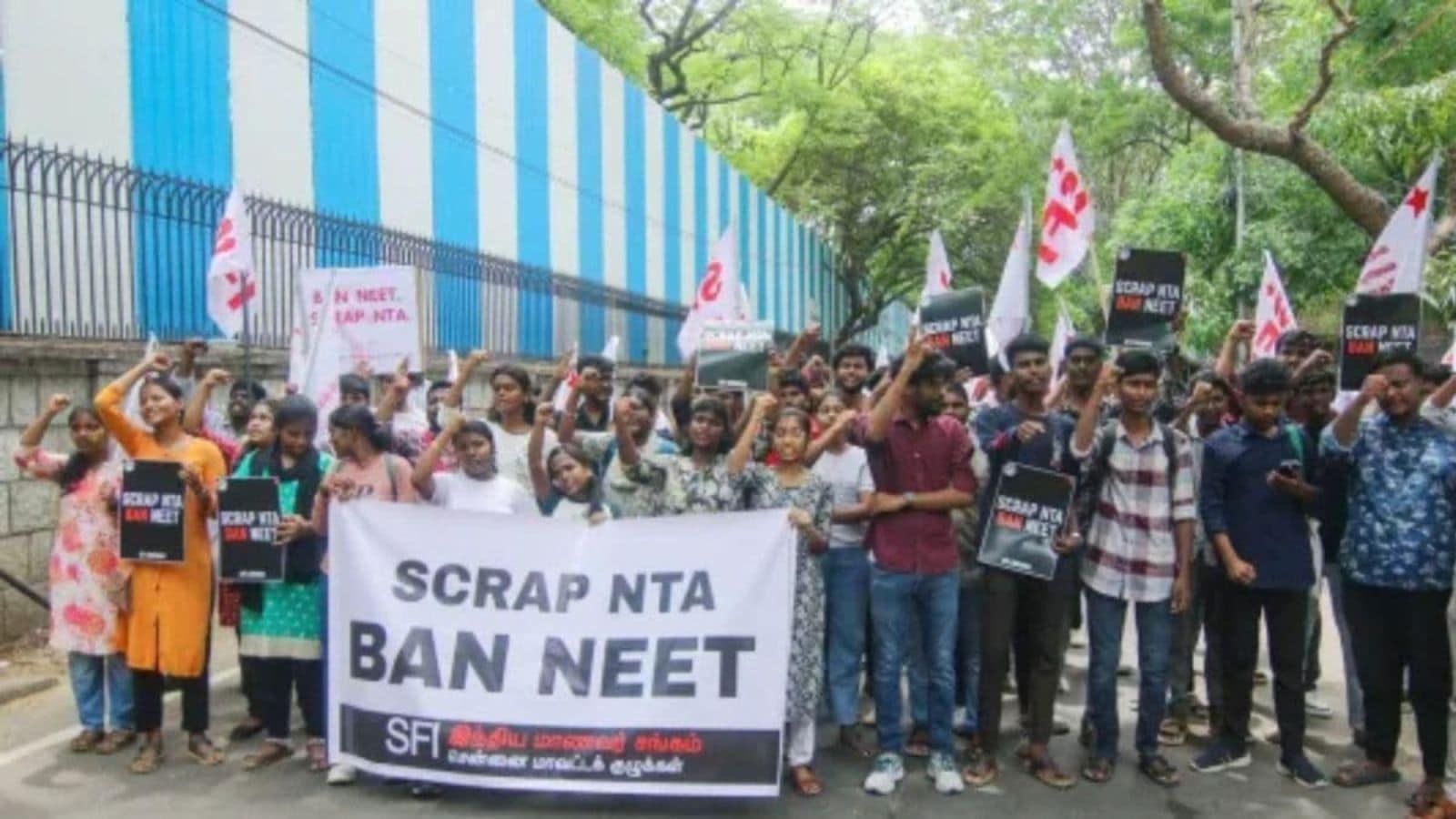
The government in India runs big tests that students take to get into colleges and universities.
It has made a new group of experts to help make these tests better.
A man named Nandan Nilekani is the leader of that expert group.
Some people think experts should be the ones to decide.
But the people who wrote this article think others should help decide too.
They say students, teachers, and people from state colleges should have a voice.
This is because states pay most of the money for education in India.
Also, most students in India go to state colleges.
The writers worry that letting only a few experts decide is not fair.
They say everyone who is affected should have a say in how exams work.

The Union government has constituted a high-powered task force led by Nandan Nilekani to suggest reforms to the National Testing Agency (NTA).
It is the second expert committee on the NTA in two years; the first, headed by former ISRO Chairperson K Radhakrishnan, submitted its report in 2024.
The NTA, established in 2017 as an independent and autonomous body, conducts tests for admission to Higher Education Institutions.
The authors argue the task force underrepresents state governments, students, teachers and leaders of state universities, reflecting what they call 'techno-expertocracy.'
States including Kerala, Tamil Nadu, Karnataka, Punjab and West Bengal have raised concerns about the gradual erosion of autonomy of federal states and state universities.
- Who
- The Union government and the Nandan Nilekani-led high-powered task force; the article is written by IIT Bombay academics Malish C M and Akshay C C.
- What
- The government set up a second expert task force to reform the National Testing Agency, but critics say it underrepresents states and students.
- Where
- India.
- When
- The new task force was constituted at the time of writing; the first committee's report was submitted in 2024.
- Why
- Because the authors argue exam reform is a democratic academic matter — especially as the National Education Policy 2020 envisages autonomous universities — and should not be left to a narrow group of technical experts.
Proponents of wider stakeholder participation
Proponents of expert-led reform
Who should decide exam reforms
Proponents of wider stakeholder participation
States, students, teachers and state university leaders should be included because education is on the Constitution's concurrent list and states bear the majority of educational expenditure.
Proponents of expert-led reform
Reform should be driven by competent technical experts, consistent with the NTA's stated core values of quality, efficiency, effectiveness, equity and security of assessments.
How to frame exam reform
Proponents of wider stakeholder participation
Examinations are a crucial academic matter with democratic implications; treating them as purely technical problems threatens federalism and university autonomy.
Proponents of expert-led reform
A narrowly technical focus on assessment systems is the appropriate way to improve entrance examinations and their administration.
Key facts
- Task force head
- Nandan Nilekani
- Body under review
- National Testing Agency (NTA)
- NTA established
- 2017
- Previous committee
- Led by former ISRO Chairperson K Radhakrishnan; report submitted in 2024
- Task force make-up
- Former ISRO and Intelligence Bureau heads, an IIT director, a former bureaucrat and a logistics expert
- NTA Governing Body
- 12 members, mostly leaders of centrally funded institutions, plus one private medical practitioner
- States concerned
- Kerala, Tamil Nadu, Karnataka, Punjab, West Bengal
- Historical call for reform
- The 1948-49 University Education Commission, led by Dr S Radhakrishnan, called exam reform the single most important reform in university education
Sources
Related news

Nilekani Panel Seeks Public Input on Examination Reforms
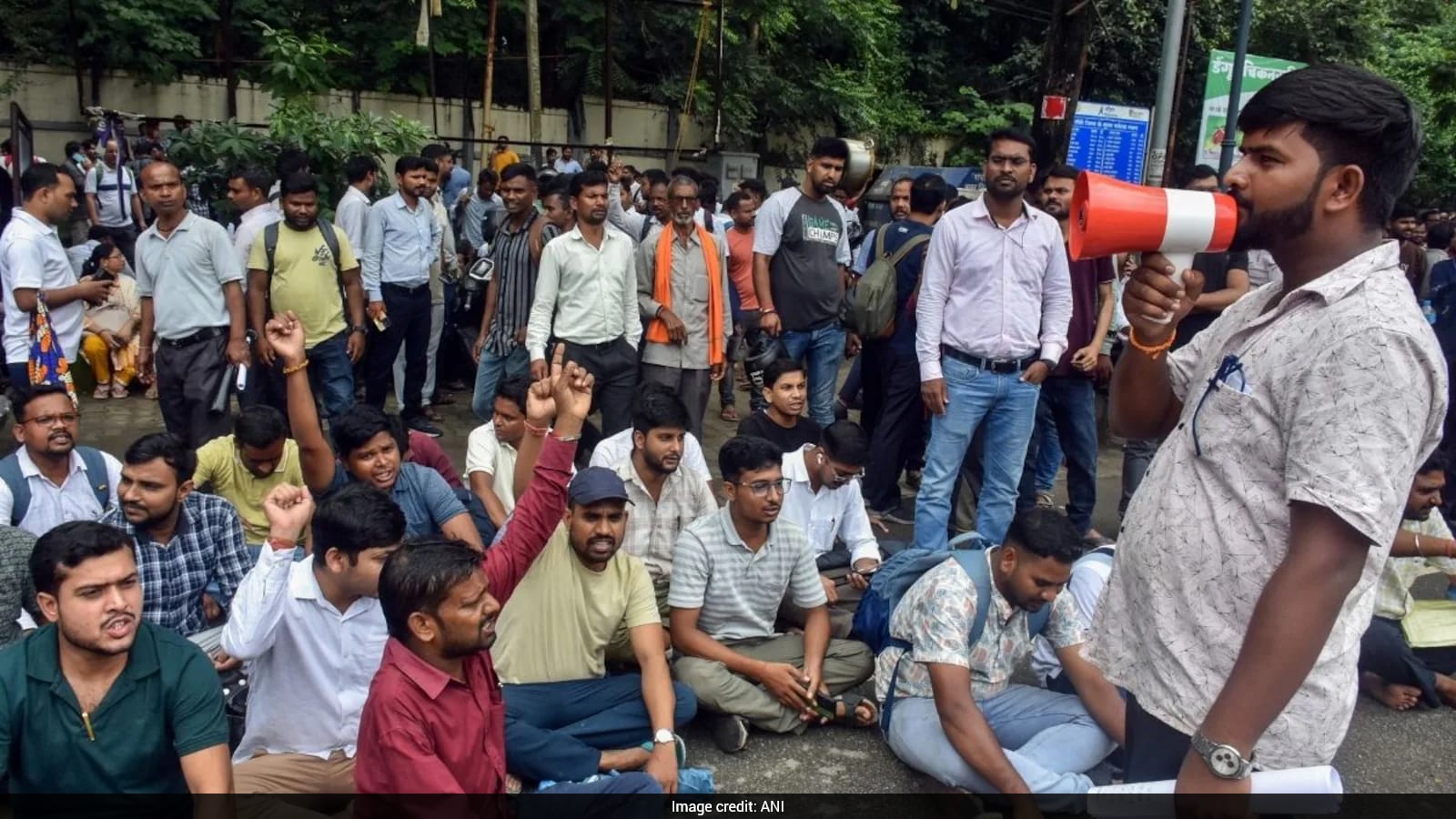
Centre Seeks Public Suggestions for Secure, Transparent Exam Reforms

Experts Split Over Whether NTA Should Be Reformed or Scrapped
Panel Adopts NTA Reform Report After Statutory Status Dispute
Centre Seeks Public Feedback on NTA and Exam Reforms

Complete List of Important Days in September 2026

Lokesh urges unity, vows to restore glory of government schools
Somireddy Mocks YSRC DSC Protests as 'Gen-F, Gen-GF' Led

Guru Purnima vs Teacher's Day: Differences Explained
