3 days ago
Calls Grow for Fear-Free, Safer Higher-Education Campuses Nationwide

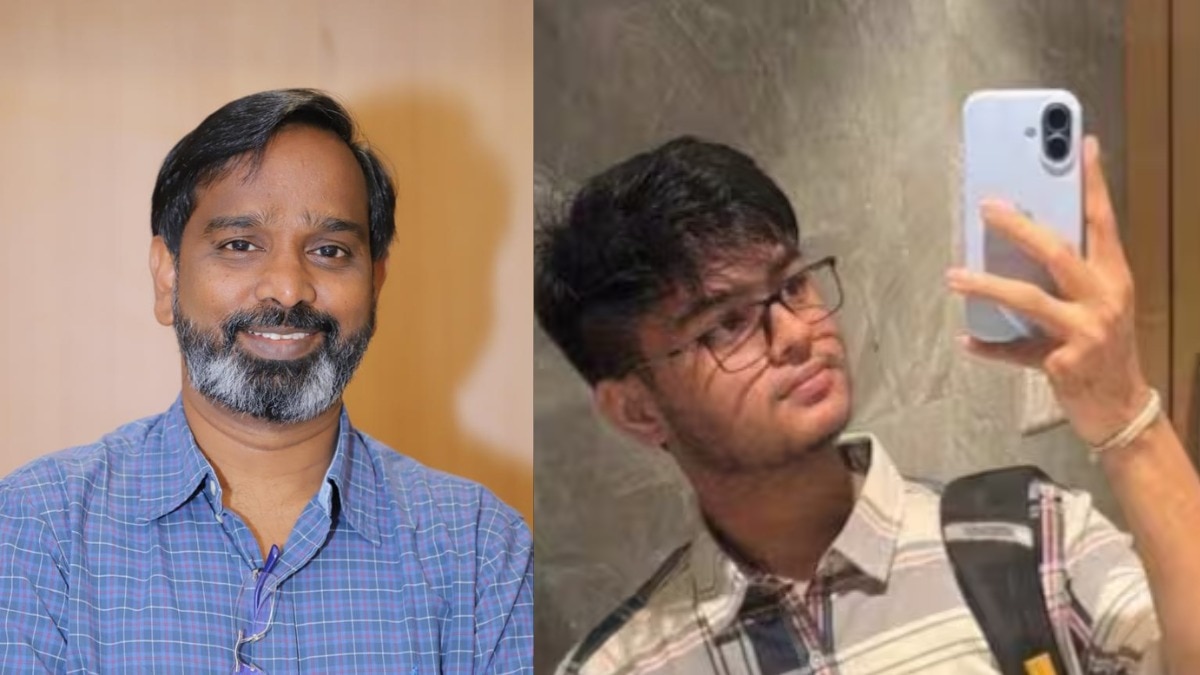
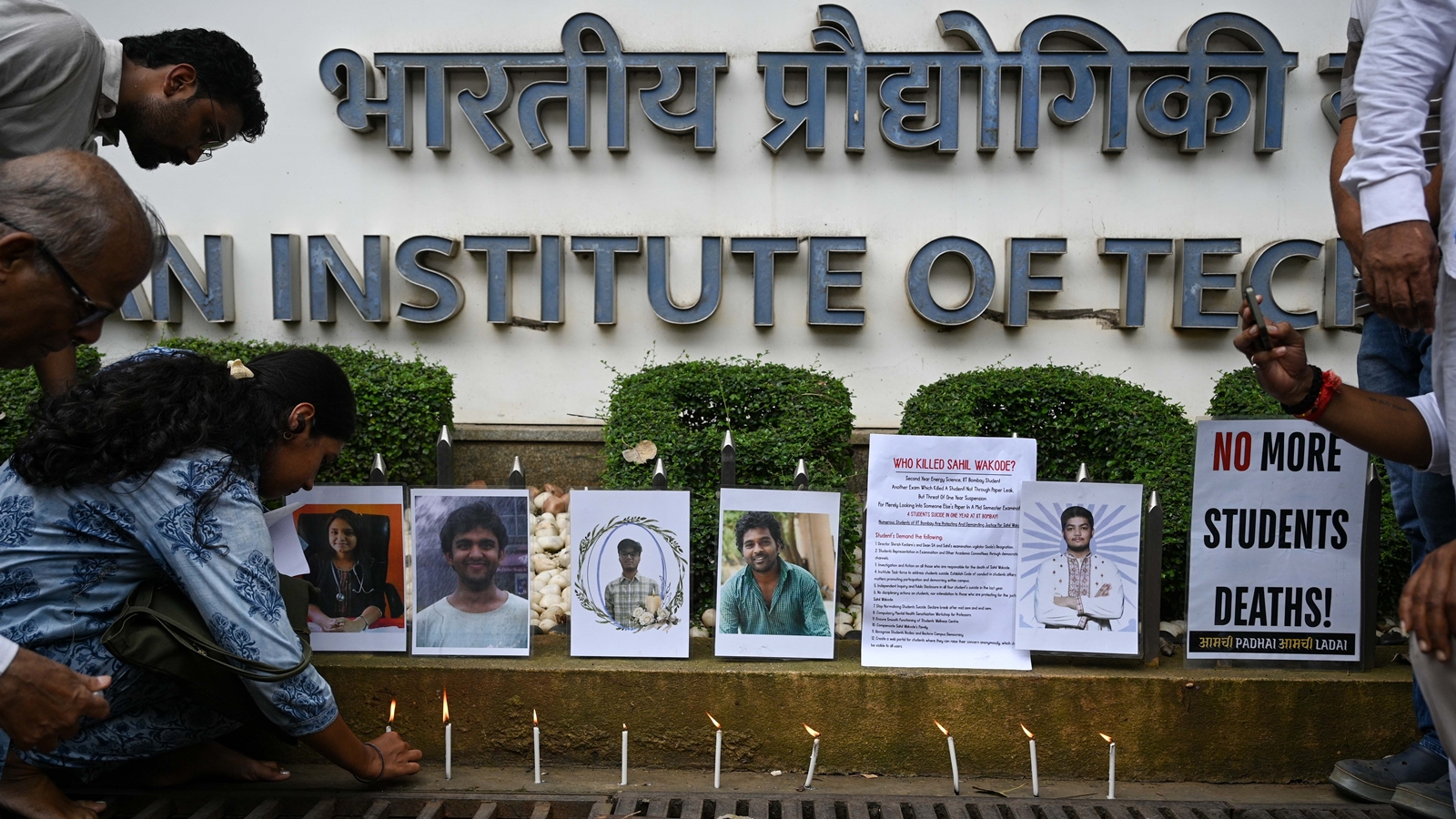
A student named Wakode died after an exam incident in which a professor questioned him over alleged mobile-phone use.
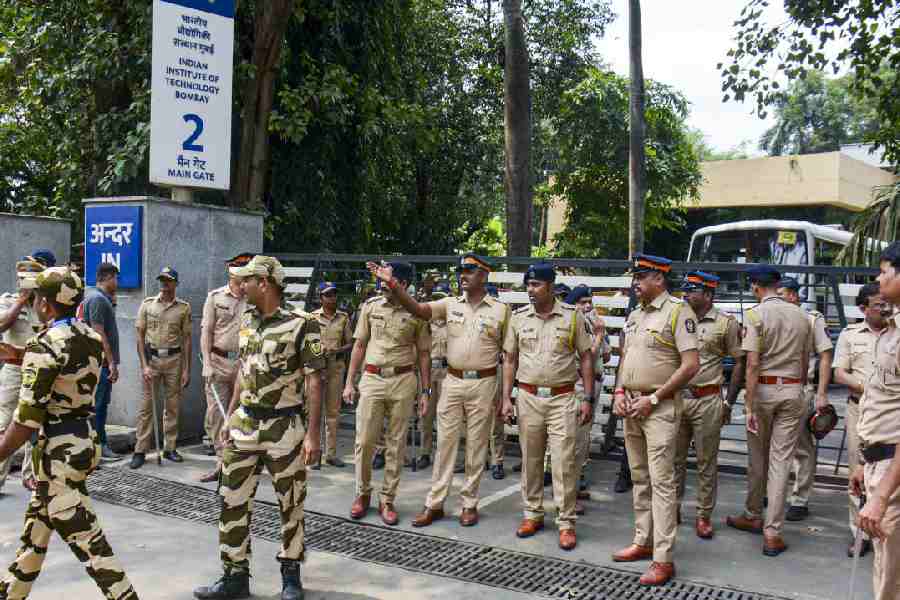
The incident led to protests, an institutional inquiry and a CBI probe.
Some people are worried that teachers may become afraid to enforce exam rules.
Others stress that students need protection, fair treatment and help during stressful times.
Higher-education students can face competition, loneliness, failure and heavy workloads.
Experts say counselling alone is not enough and recommend mentors, trained hostel wardens and peer support.
A law professor says teachers who are wrongly accused can ask courts for help, although their reputations may still suffer.
Suggested improvements include clear complaint rules, fair investigations, counselling, legal assistance and classroom CCTV cameras.
The overall goal is to make campuses safe for both students and teachers.

Wakode’s death after an examination incident involving an alleged mobile-phone violation has led to protests, an institutional inquiry and a CBI probe.
Educators and others say teachers need protection to enforce rules, report cheating and discipline students without fearing disproportionate legal consequences.
Legal expert Prachi Pratap says accused educators may seek anticipatory bail, FIR quashing, and remedies for false charges or defamation, depending on the facts.
Experts call for clearer complaint procedures, timely inquiries, counselling, legal support, CCTV cameras and stronger student-teacher safeguards.
Mental-health data cited in the article shows significant unmet needs and depressive or anxiety symptoms among students in higher education.
- Who
- Wakode, the professor involved in the examination incident, students, teachers and education experts cited in the article.
- What
- A debate over campus safety, student mental health, teacher protections and the handling of allegations after Wakode’s death.
- Where
- Higher-education institutions in India, including the IITs, IIMs, medical colleges and NLUs.
- When
- The debate follows Wakode’s death; the article cites student and institutional data from 2024, 2025 and 2026.
- Why
- To create campuses where students can seek support and teachers can enforce academic rules through fair, transparent procedures.
Teacher Protections
Student Safeguards
Enforcing academic rules
Teacher Protections
Teachers should be able to question suspected misconduct, report cheating, enforce discipline and fail students when academically justified without fearing automatic criminal or professional consequences.
Student Safeguards
Students must be protected from unfair treatment and should have accessible, transparent processes for raising complaints about teacher conduct.
Use of legal protections
Teacher Protections
Supporters of faculty safeguards argue that the SC/ST Act can create fear when allegations lead to action without a preliminary inquiry, and that accused teachers need fair procedures and legal assistance.
Student Safeguards
Legal protections designed to address discrimination and caste-based harm should remain available to students, with investigations determining whether allegations are substantiated.
Campus safety measures
Teacher Protections
CCTV cameras, formal institutional support and clear protocols could protect teachers from false allegations and document disputed incidents.
Student Safeguards
Safeguards should also preserve student privacy, provide counselling and ensure that surveillance or disciplinary systems do not replace trust, empathy and fair grievance handling.
Key facts
- Incident
- Wakode’s death followed an examination incident involving a professor’s question about alleged mobile-phone use.
- Investigation
- The incident has prompted protests, an institutional inquiry and a CBI probe.
- Mental-health access
- A 2026 SC-appointed National Task Force report cited in the article found that 65% of surveyed higher-education institutions reported no access to mental-health services.
- IIT Madras survey
- In 2024, 3% of newly admitted students were in the “worry zone” and 32% were in the “focus zone.”
- IIT Bombay survey
- Of 600 students surveyed in 2025, 245 said they needed professional mental-health support but had not sought it.
- Multi-university study
- A 2024 study of 8,542 students across 30 universities in nine states reported moderate-to-severe depressive symptoms in 33.6% and moderate-to-severe anxiety symptoms in 23.2%.
- Proposed safeguards
- Suggestions include clear complaint protocols, timely inquiries, counselling, legal support, CCTV cameras, awareness sessions and trained hostel wardens.
Quotes

Sudheendra Kulkarni
IIT Bombay alumnus and commentator on academic institutions
“A teacher must be able to enforce discipline, question academic misconduct, fail a student where academically justified, or report cheating without constantly wondering whether doing his job will result in criminal intimidation or personal destruction.”
 deccanchronicle.com
“Academic institutions work best when they are free of fear.”
deccanchronicle.com
Adv. Prachi Pratap
Advocate and professor of criminal law
“A teacher or professor can seek anticipatory bail, approach the High Court to quash a baseless FIR, and challenge a mechanical or prolonged suspension”
deccanchronicle.com
Sources
Related news

Readers Call for Fair IIT Investigations and Mental Health Reform
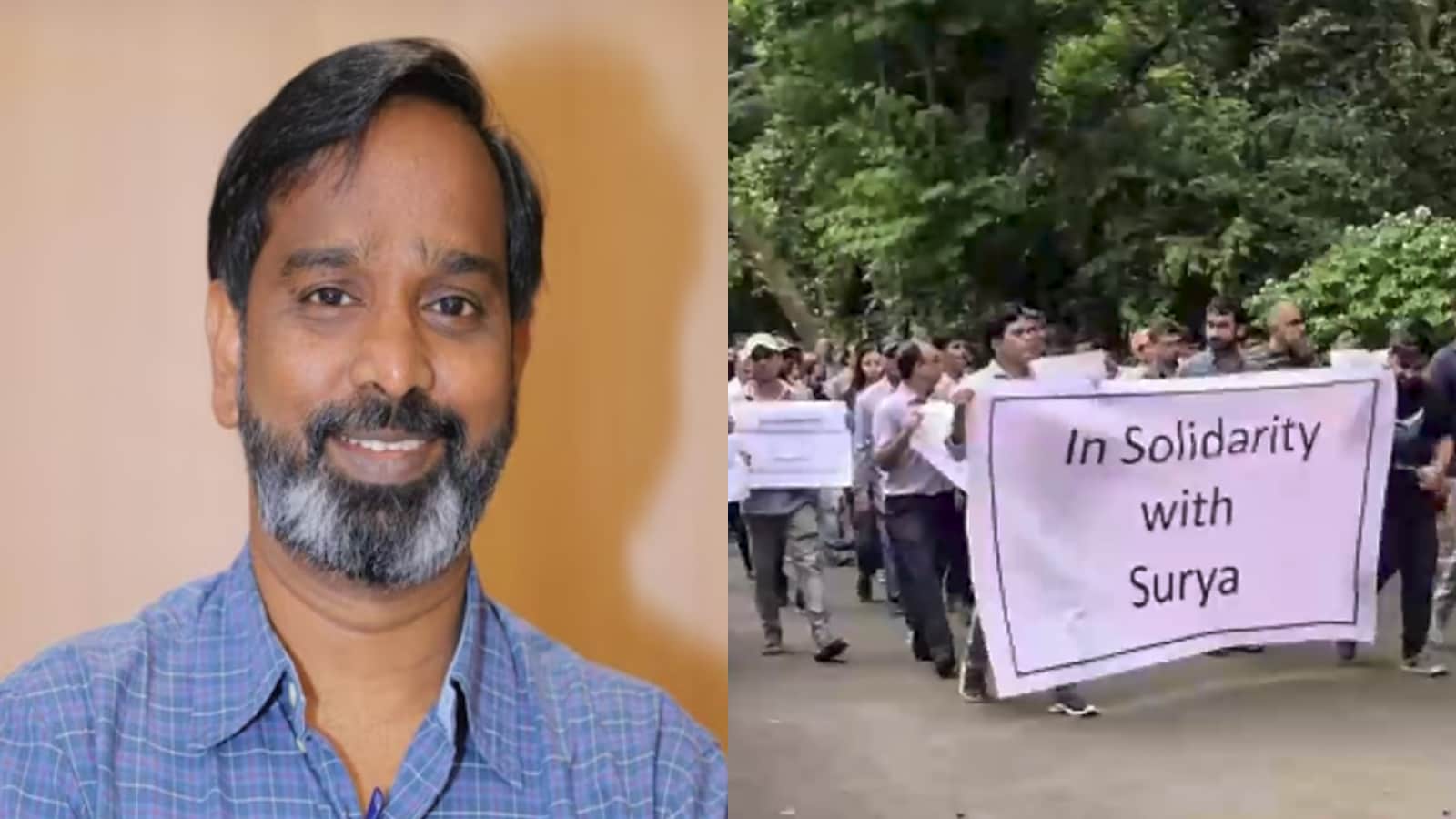
IIT Faculties and Students Defend Professor in Suicide Probe
IIT Indore Faculty Forum Seeks Student Support, Due Process
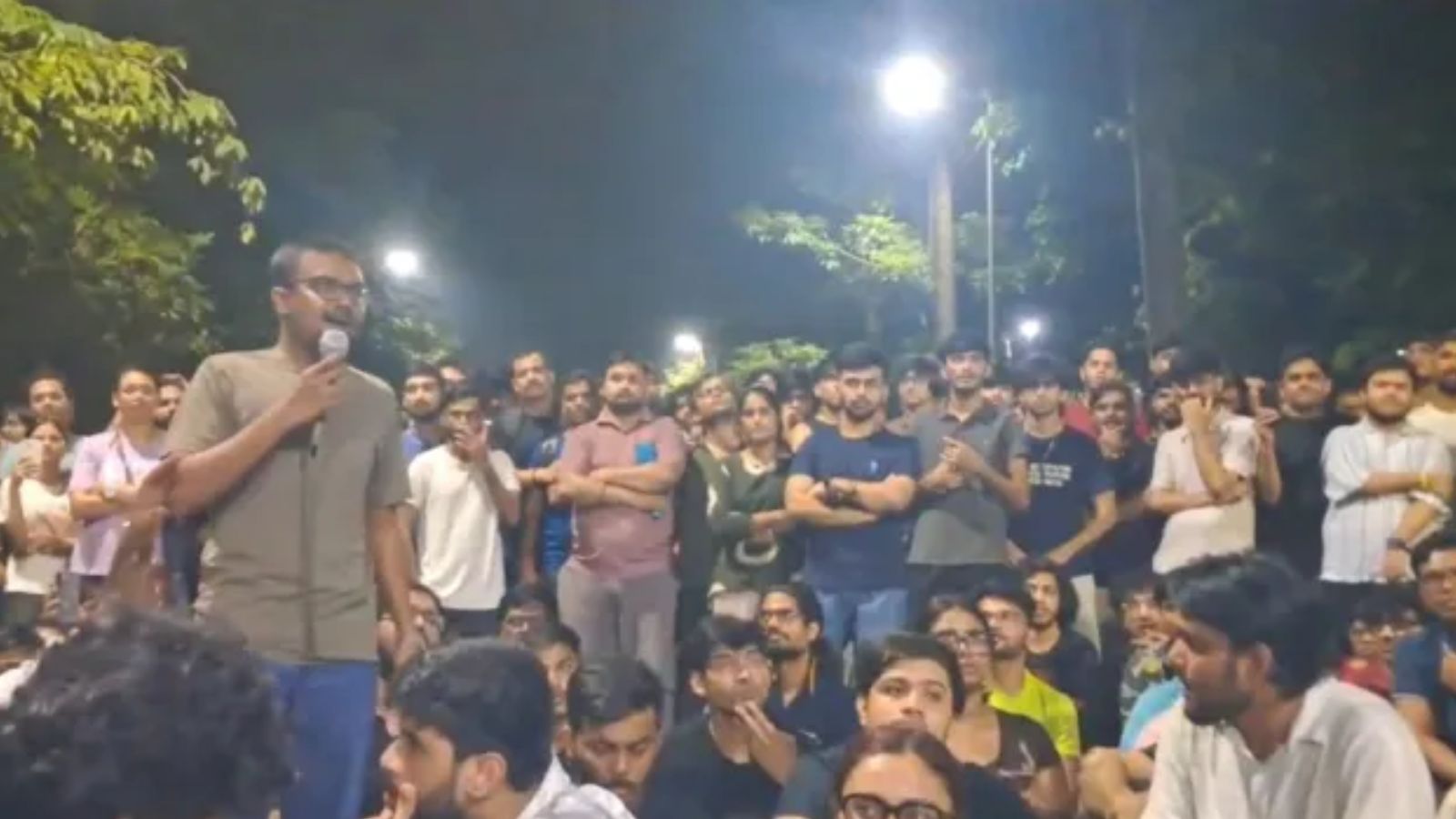
IIT Student Distress Spurs Debate Over Campus Wellbeing
IIT Bombay Protests Grow as Faculty Defends Professor Doolla
IIT Student Suicide Raises Questions About Pressure and Belonging

IIT Bombay Suicide Case Intensifies Debate Over SC/ST Act
IIT Bombay Alumni Seek Fair Probe Into Sahil Wakode Death